Girona’s move to create a Housing Emergencies Board and curb rents is another reminder that the politics of affordability are becoming a direct investing issue, not just a social one.
Girona housing rent curbs draw investor focus

For landlords and real estate investors, that matters because rent regulation can cap the pricing power that supports returns, especially in tight urban markets where housing demand is strongest. When governments step in to limit rents, the near-term appeal is obvious for tenants. Over time, though, the economic trade-off is harder: if returns fall too far, owners are less willing to deploy capital, maintain older stock or expand supply, and that can make shortages worse.
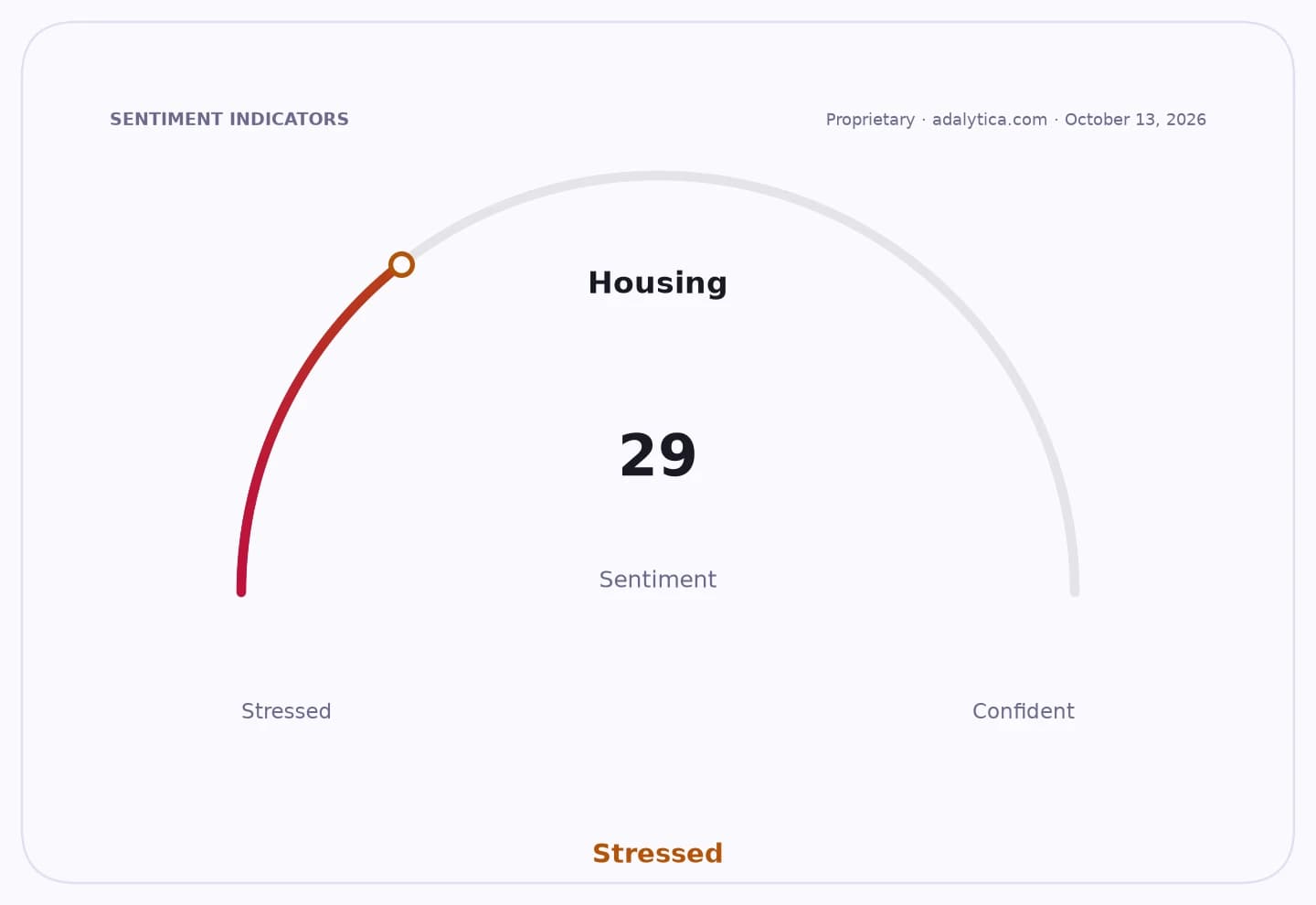
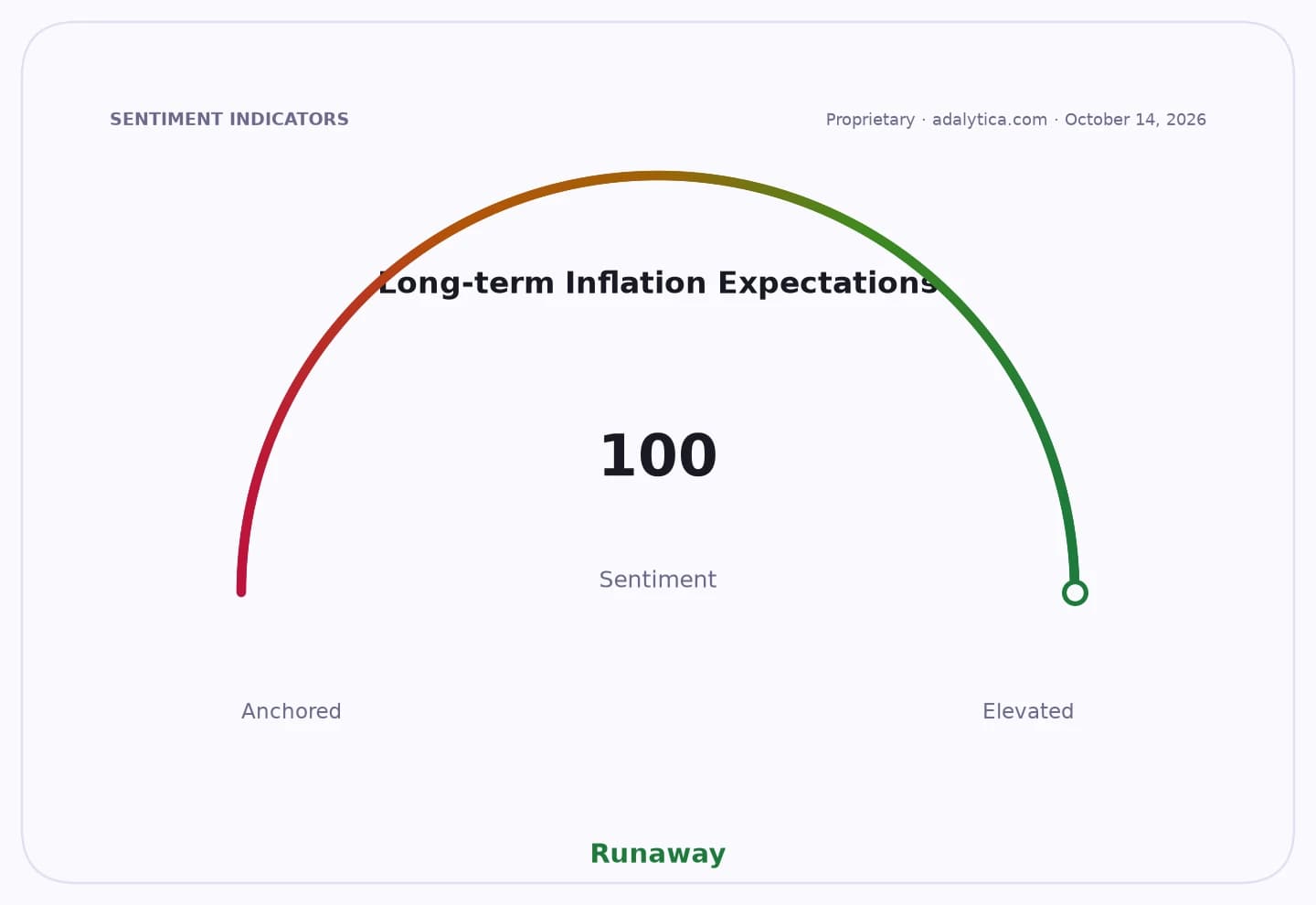
Sentiment IndicatorsⓘProprietary · adalytica.com · October 14, 2026
This is a snapshot — live sentiment, awareness and momentum for 130+ markets update continuously in the dashboard.Open AlphaPulse
That is why the latest policy push resonates beyond Girona. It fits a broader European pattern of officials trying to answer housing stress with emergency tools, even as property owners warn that heavier regulation can shrink the pool of homes available to rent. The result is often a tug-of-war between affordability today and investment tomorrow. For listed real estate vehicles and residential landlords, the risk is not usually a sudden collapse in cash flow, but a slower erosion of growth expectations.
The market backdrop suggests investors are already treating housing policy as a real factor. U.S. real estate ETFs such as VNQ and IYR have rebounded from recent weakness, but their technical readings show the sector still working through volatility, with both funds trading below recent highs and their short-term momentum indicators improving but not decisively repaired. The global residential landlord ETF REET shows a similar pattern: it has recovered from its lows, yet remains well below its earlier peaks. That kind of price action tells you investors are still sorting out whether rental housing can keep delivering steady income in a world of higher policy risk.
The bigger story is that housing is no longer just a local planning issue. It is becoming a battleground over who absorbs the cost of inflation, scarce supply and rising social pressure. If Girona’s proposal is copied elsewhere, the winners will be tenants who get short-term relief; the losers will be owners and developers asked to shoulder more regulatory risk for lower prospective returns.
For long-term investors, that does not mean avoiding real estate altogether. It does mean favoring landlords and property funds with balance-sheet strength, diversified markets and the ability to grow cash flow without relying on aggressive rent increases. In a world where rent limits keep spreading, durability will matter more than headline yield.
| Entity | Gains | Losses |
|---|---|---|
| Tenants in Girona | ▲Lower rent pressure | ▼Less new supply over time |
| Local government | ▲Political cover on affordability | ▼Higher enforcement burden |
| Landlords and developers | ▲None immediately | ▼Slower rent growth |
| REITs and rental funds | ▲Stable demand for housing | ▼Weaker pricing power |