Bulgaria’s property market is moving into a slower phase, but the data still point to stability rather than a correction, with constrained new supply keeping office and retail assets supported even as growth moderates across the sector.
Bulgaria Property Market Slows as Supply Stays Tight
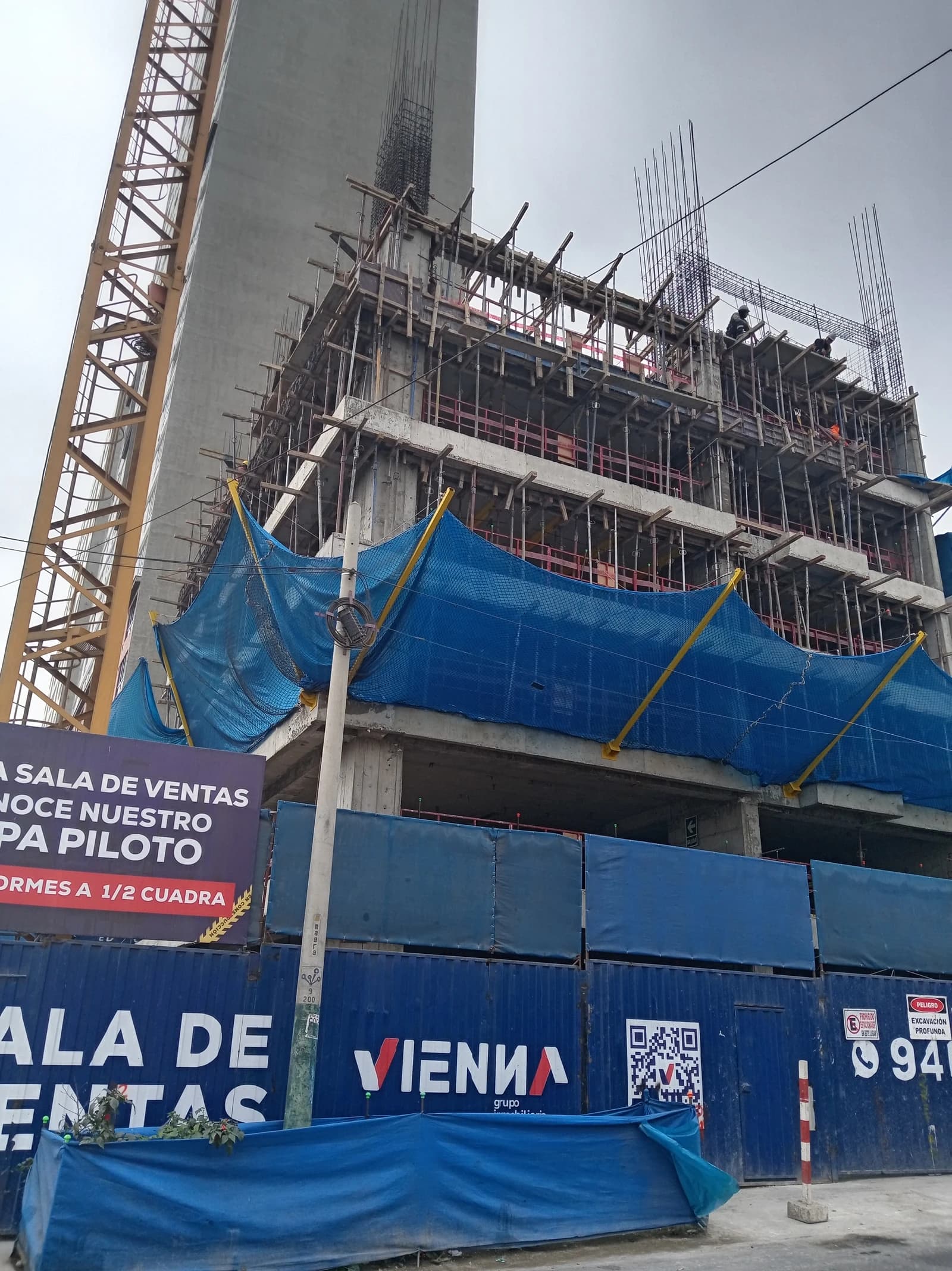
The most economically significant change is that the market is cooling from the rapid expansion seen in earlier cycles without showing the hallmarks of distress. In offices, developers are pulling back as construction costs stay high and leasing rates have already reached peak levels. Roughly 200,000 square meters of office space are under construction, well below the frenetic build-outs of 2015-2016, when completions topped half a million square meters. Last year only about 44,000 square meters were delivered, while vacancy remains around 15%, suggesting supply is being absorbed rather than dumped into an oversupplied market.
Sentiment IndicatorsⓘProprietary · adalytica.com · October 11, 2026
This is a snapshot — live sentiment, awareness and momentum for 130+ markets update continuously in the dashboard.Open AlphaPulse
That combination matters for both rents and valuations. Colliers’ Georgi Kirov said some Sofia offices are now commanding more than 21 euros per square meter a month, a level that signals a market still able to support premium pricing. For investors, that reduces the risk of a sharp income drawdown, even if upside from rent growth becomes harder to capture. The near-term bull case is that limited new supply and sticky replacement costs protect net operating income. The bear case is that high asking rents and slower economic growth eventually curb tenant demand, especially if corporate expansion slows or financing remains expensive.
Coworking is also consolidating, with larger operators taking share from smaller rivals. That is consistent with a market that is maturing rather than contracting: demand remains tied to economic activity, particularly the tech sector, but weaker players are struggling to commercialize space. For landlords and platforms with scale, the shift should improve resilience. For smaller operators, it raises the cost of staying competitive and increases the odds of mergers or exits.
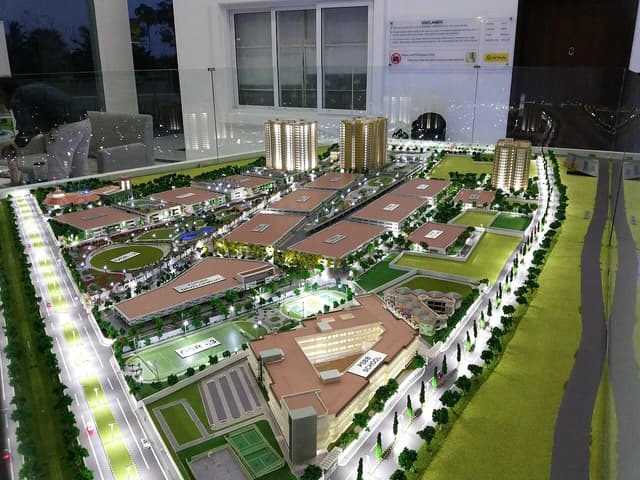
Retail is showing a similar pattern of saturation and adaptation. Bulgaria now has 91 retail parks covering close to 800,000 square meters, with around 100,000 square meters under construction and nearly 75,000 square meters delivered last year. The format has displaced the older mall-led expansion story because it is cheaper to build, closer to consumers and better aligned with spending patterns outside central urban cores. As the market matures, developers are increasingly building larger complexes above 10,000 square meters that combine shopping, services and entertainment. That broadens revenue potential, but it also suggests the easiest growth phase is over.
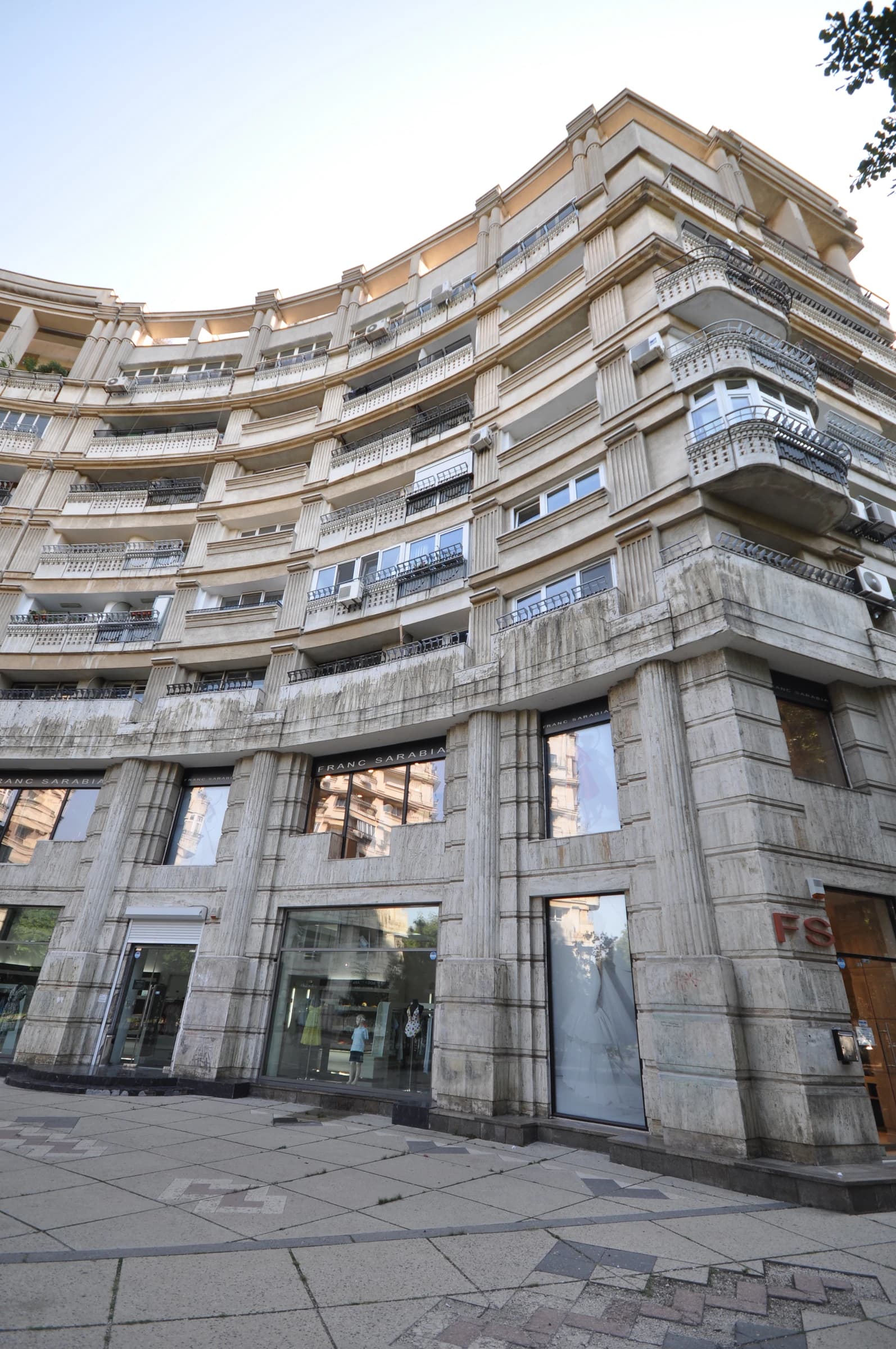
The residential market appears to be doing the opposite: gradually filling the supply gap built up in prior years. That matters for the broader property cycle because housing construction can help rebalance shortages without forcing a disorderly reset in prices or rents. The overall message is one of normalization, not weakness.
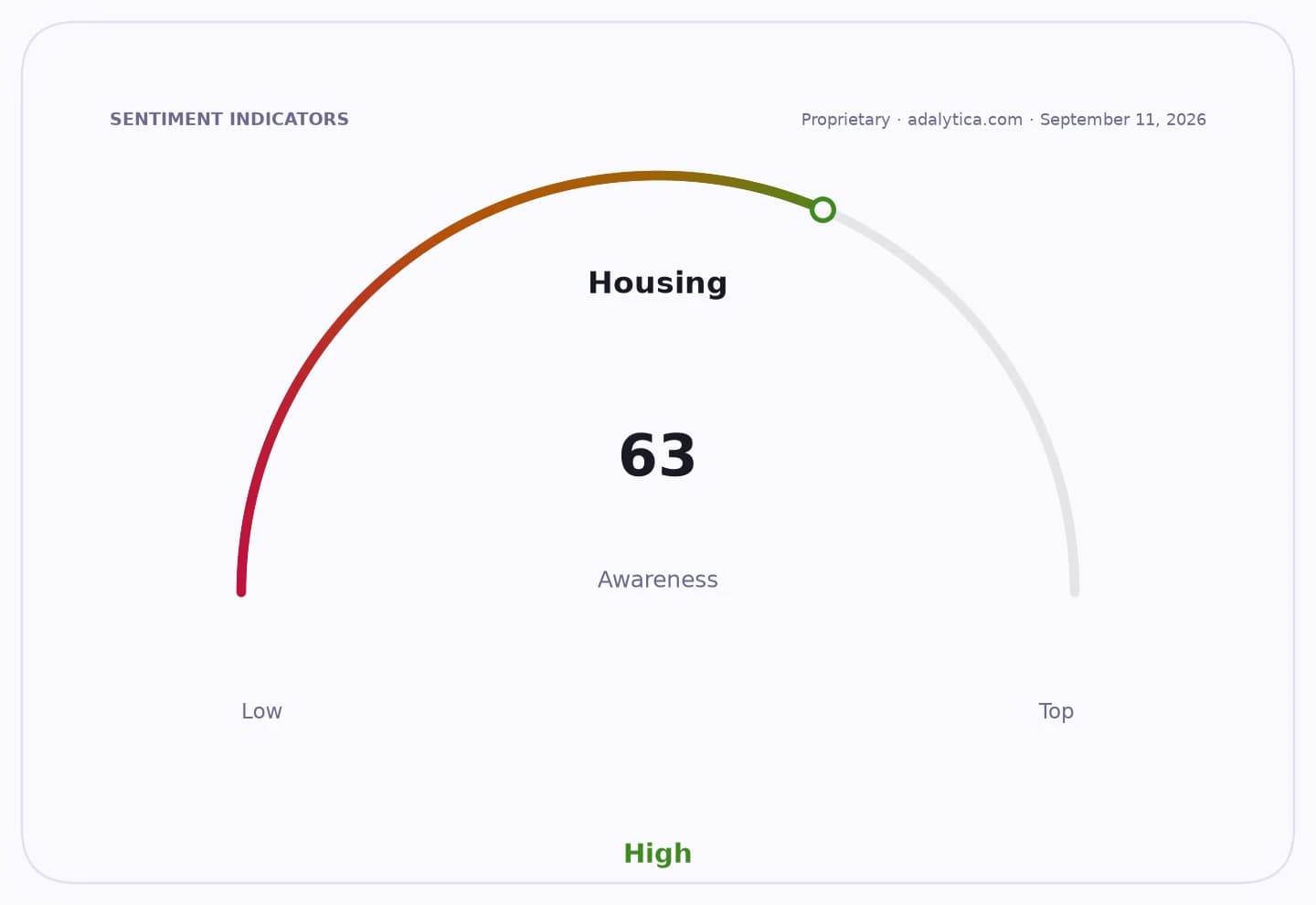
That view is echoed in listed real-estate vehicles. VNQ, the commercial REIT proxy, has fallen sharply from earlier highs, and the Adalytica commercial REIT sentiment gauge is in “Extreme Fear,” even though the broader technical backdrop has been less dramatic than the price action suggests. By contrast, the housing and rent inflation gauge remains elevated, pointing to persistent support in residential and rental markets. For investors, that divergence reinforces the split story: commercial property is no longer in boom mode, but the absence of oversupply is helping keep the downturn orderly.
| Entity | Gains | Losses |
|---|---|---|
| Large office landlords | ▲Stable rents, tight supply | ▼Slower leasing momentum |
| Small coworking operators | ▲— | ▼Share loss to larger peers |
| Retail park developers | ▲Continued format demand | ▼Saturation risk, thinner returns |
| Residential builders | ▲Demand catch-up | ▼Higher costs, slower volume growth |