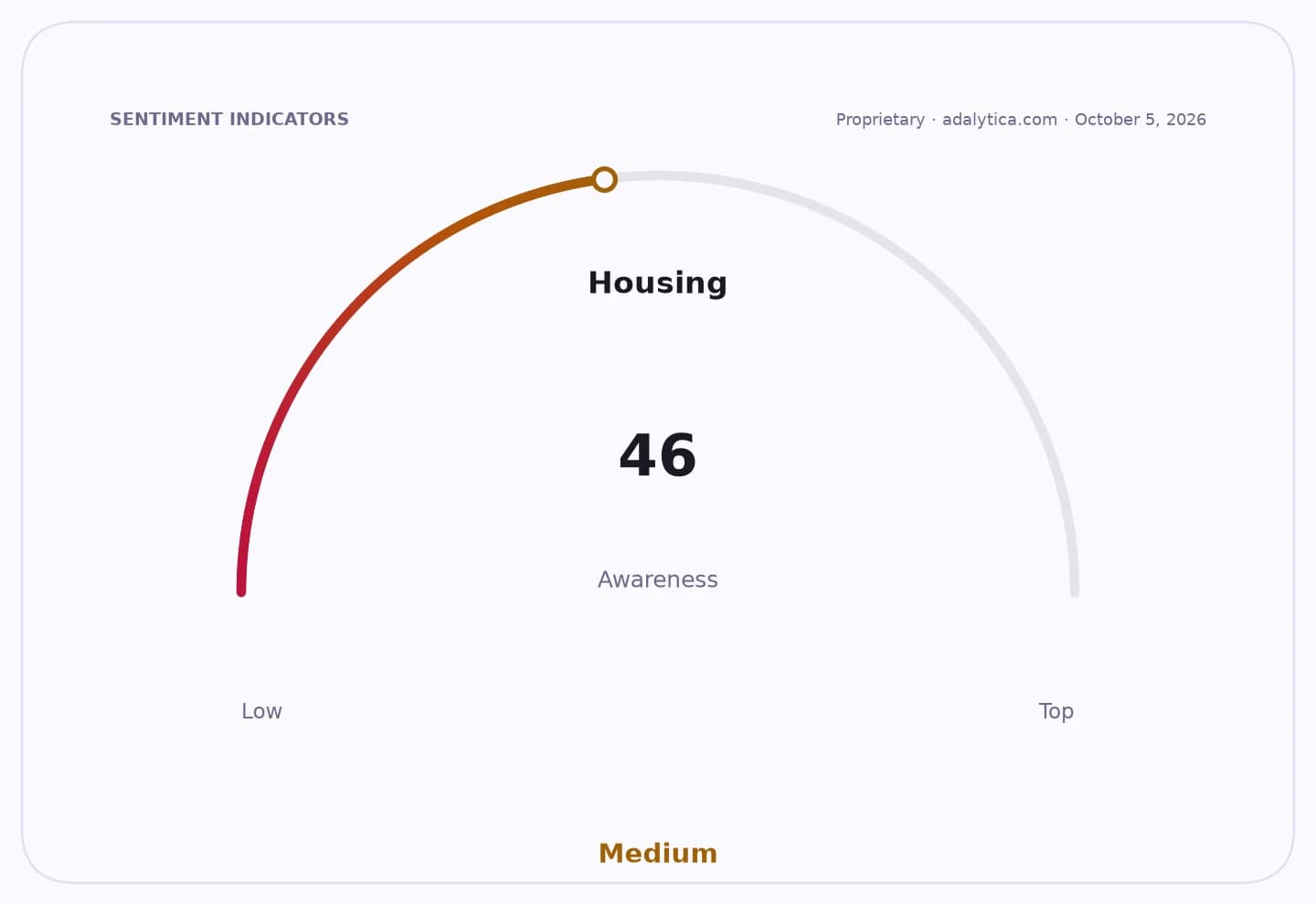
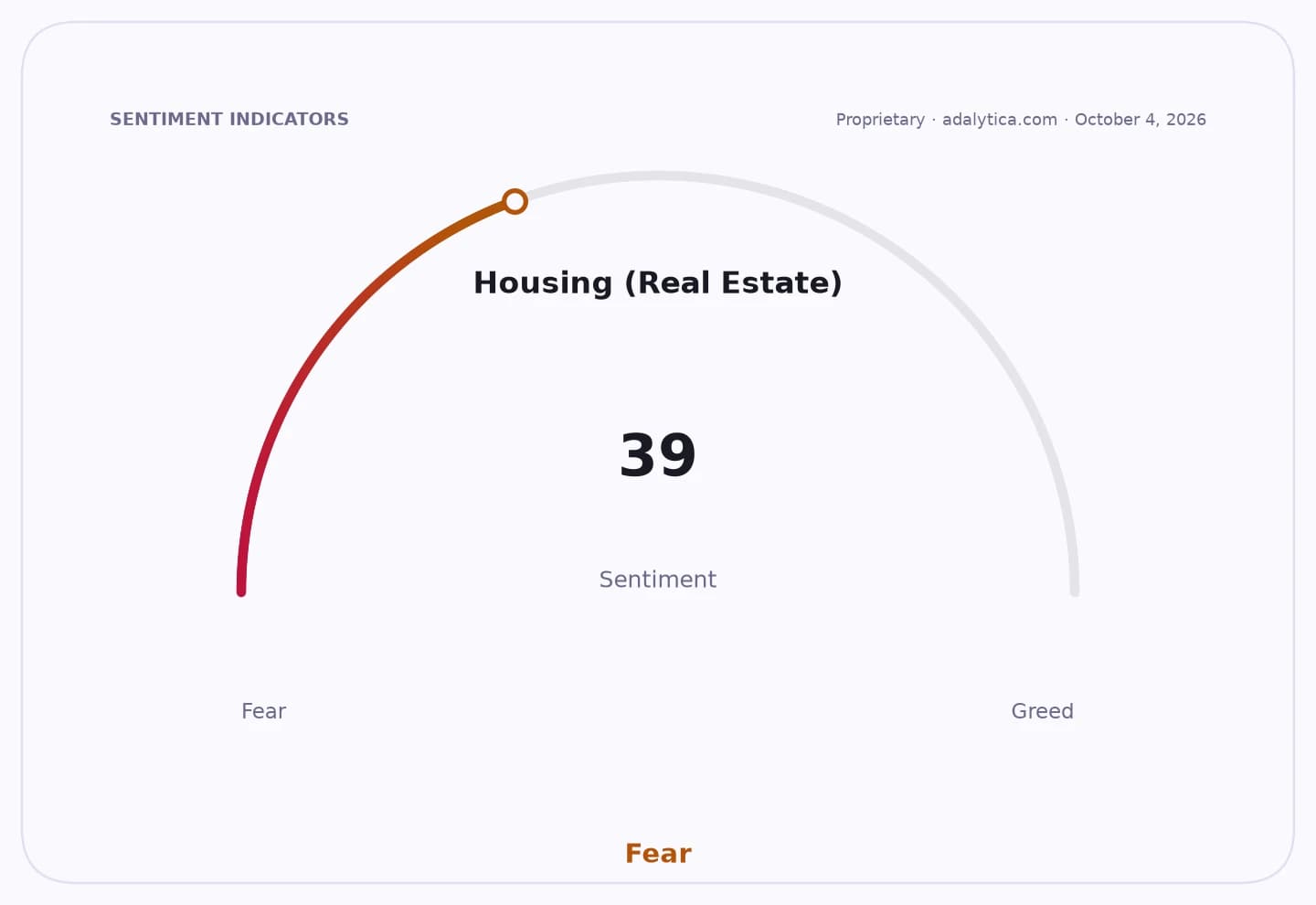
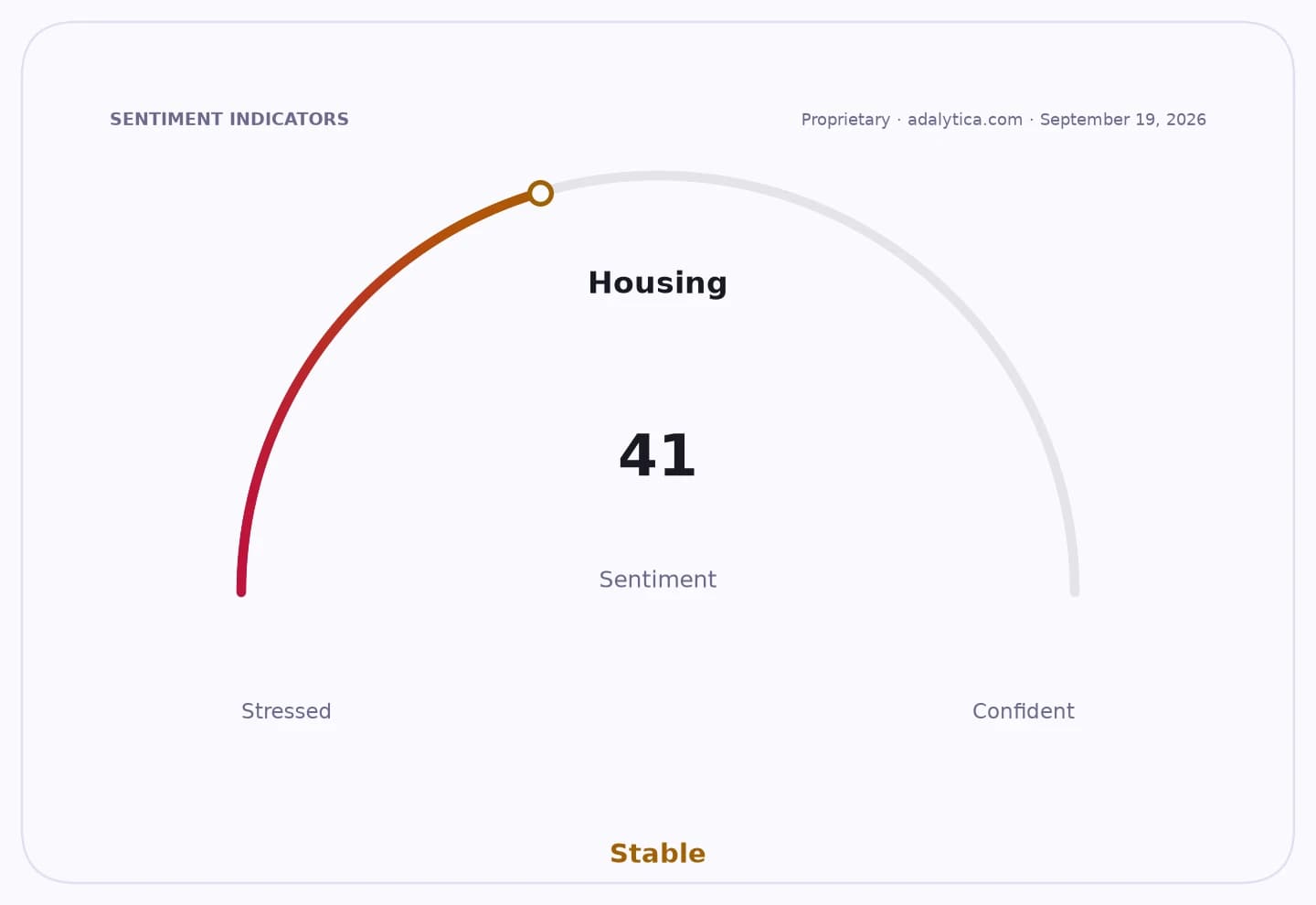
Istanbul has become the most expensive city in Turkey for both buying and renting a 100-square-meter home, even as real house prices and rents continue to fall across much of the country. That gap matters because it shows a market where nominal prices are still rising, but inflation is eroding purchasing power and pulling real values lower — a combination that is reshaping demand, tenant behavior and developer strategy.
Istanbul Housing Costs Lead Turkey as Real Prices Fall
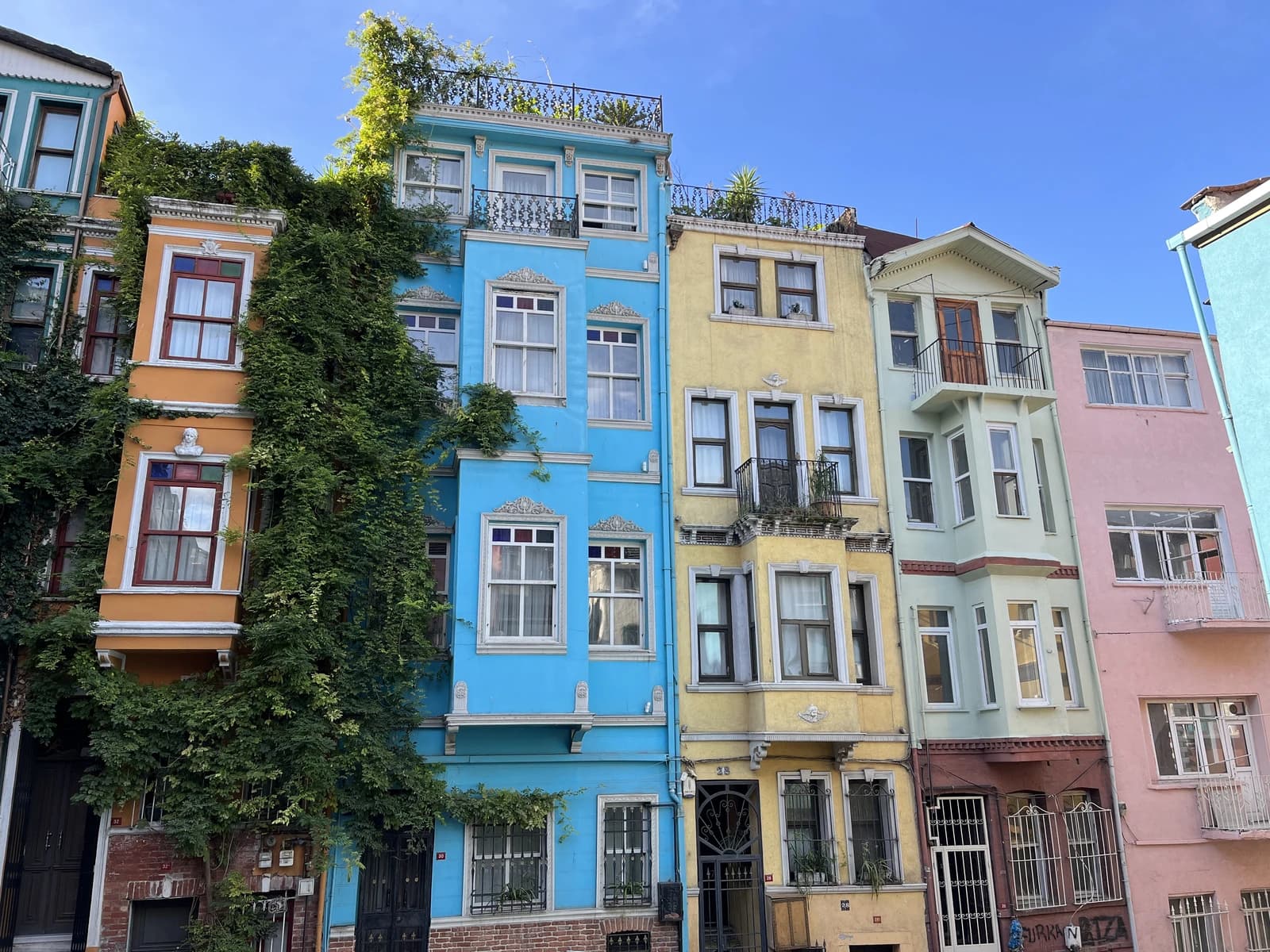
The clearest signal is the cost of a typical home in the country’s commercial hub. A 100-square-meter apartment in Istanbul now costs 6.623 million lira to buy and 46,390 lira a month to rent, according to the data. Ankara and Izmir are cheaper on both counts, at 3.964 million lira and 30,000 lira in the capital, and 5.375 million lira and 33,330 lira in Izmir.
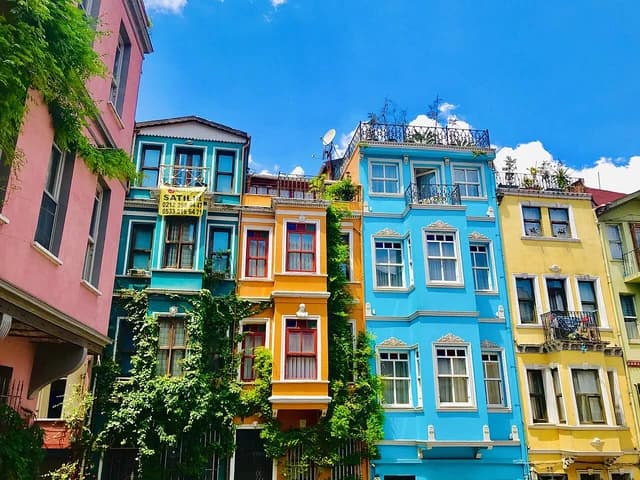
But the more important story is not just price leadership. It is the split between nominal and real values. Across Turkey, real sale prices fell 8.4% in August from a year earlier, while real rents declined 6.6%. In Istanbul, nominal asking rents jumped 39.2% and nominal sale prices rose 24.7%, yet inflation-adjusted house prices still lost ground. The message is that housing remains expensive in cash terms, but in real terms owners are not keeping pace with inflation.
That matters for the broader economy because housing is both a household expense and a major transmission channel for inflation. When nominal rents climb faster than wages, affordability worsens and demand shifts toward smaller units, cheaper districts and longer lease negotiations. The market is already reflecting that change: demand for homes to buy rose 11.5% month on month in August, while listings in Ankara closed fastest at 45.4 days on average and in Izmir slowest at 63.4 days, suggesting better liquidity in the capital and weaker absorption on the Aegean coast.
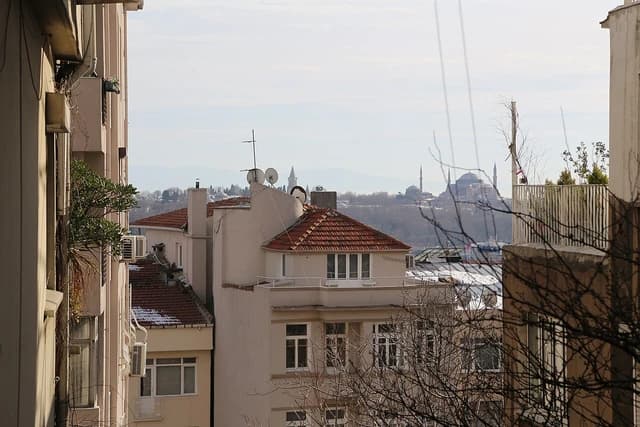
The Central Bank of the Republic of Turkey’s latest data reinforce the same picture. The housing price index rose 23% nominally over the year but fell 6.5% in real terms, while the new-tenant rent index rose 26.4% nominally but declined 3.9% in real terms. In Istanbul, new-tenant rents climbed 34.5% year on year, underscoring how the city remains the tightest and most expensive rental market even as inflation masks broader weakness in real pricing.
For investors and developers, the implication is a market that is still generating headline price increases but losing real momentum. Landlords and housing owners can point to nominal gains, especially in Istanbul, but real returns are being compressed by inflation. Builders and project developers may benefit if demand keeps shifting toward compact 1+1 and 2+1 units, while owners of larger or slower-moving stock face longer marketing periods and greater pricing pressure.
The coming test will be whether Turkey’s housing market can stabilize in real terms without another leg in inflation. If nominal rent growth cools while purchasing power remains weak, Istanbul’s lead as the country’s most expensive city may persist — but profitability for owners and affordability for tenants will remain under strain.
| Entity | Gains | Losses |
|---|---|---|
| Istanbul landlords | ▲Higher nominal rents | ▼Real returns squeezed by inflation |
| Housing buyers in Ankara and Izmir | ▲Lower entry prices than Istanbul | ▼Slower market absorption in some areas |
| Developers of smaller units | ▲Stronger demand for compact homes | ▼Large-unit projects |
| Tenants nationwide | ▲Some relief from real rent declines | ▼Affordability remains strained in Istanbul |