Türkiye’s September inflation report is shaping up as the next key test of whether the country’s long battle with price growth is finally moving in the right direction.
Türkiye September inflation report in focus
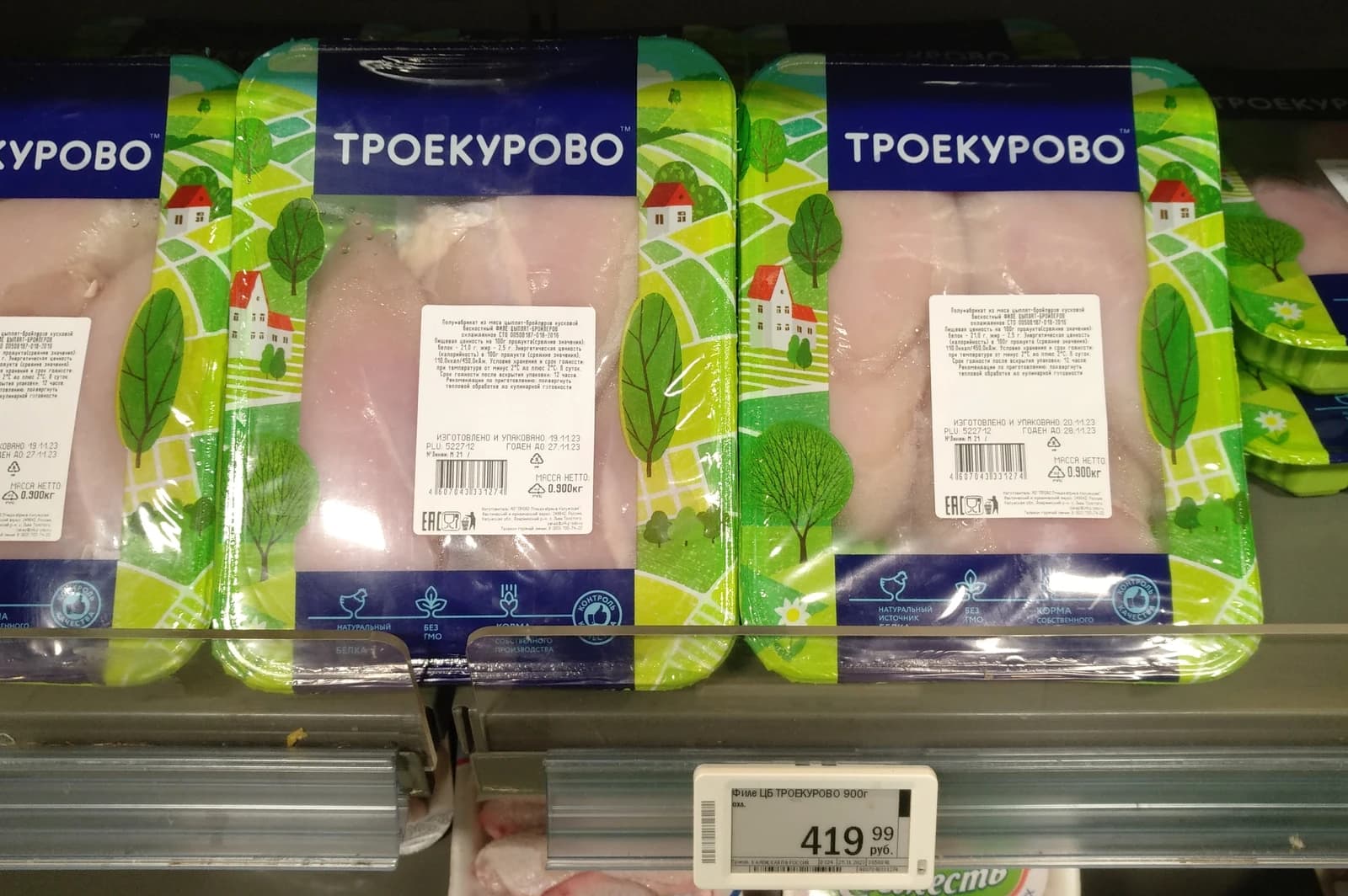
Economists surveyed by AA Finans expect consumer prices to rise 2.18% in September from a month earlier, which would slow annual inflation to 30.16% from 31.51% in August. That would still leave Türkiye with one of the highest inflation rates among major economies, but it would reinforce the view that the peak has passed and that price pressure is gradually easing.
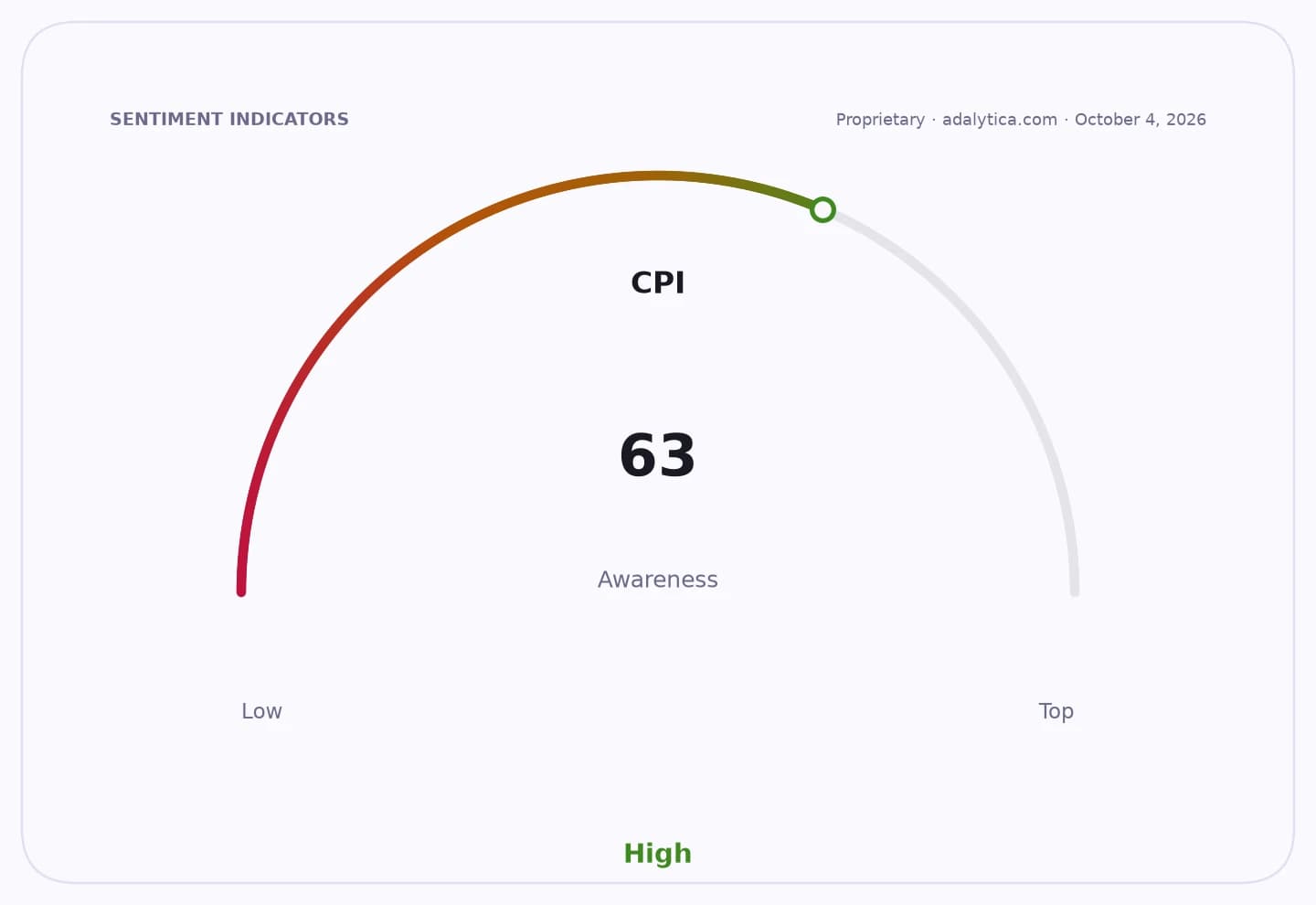
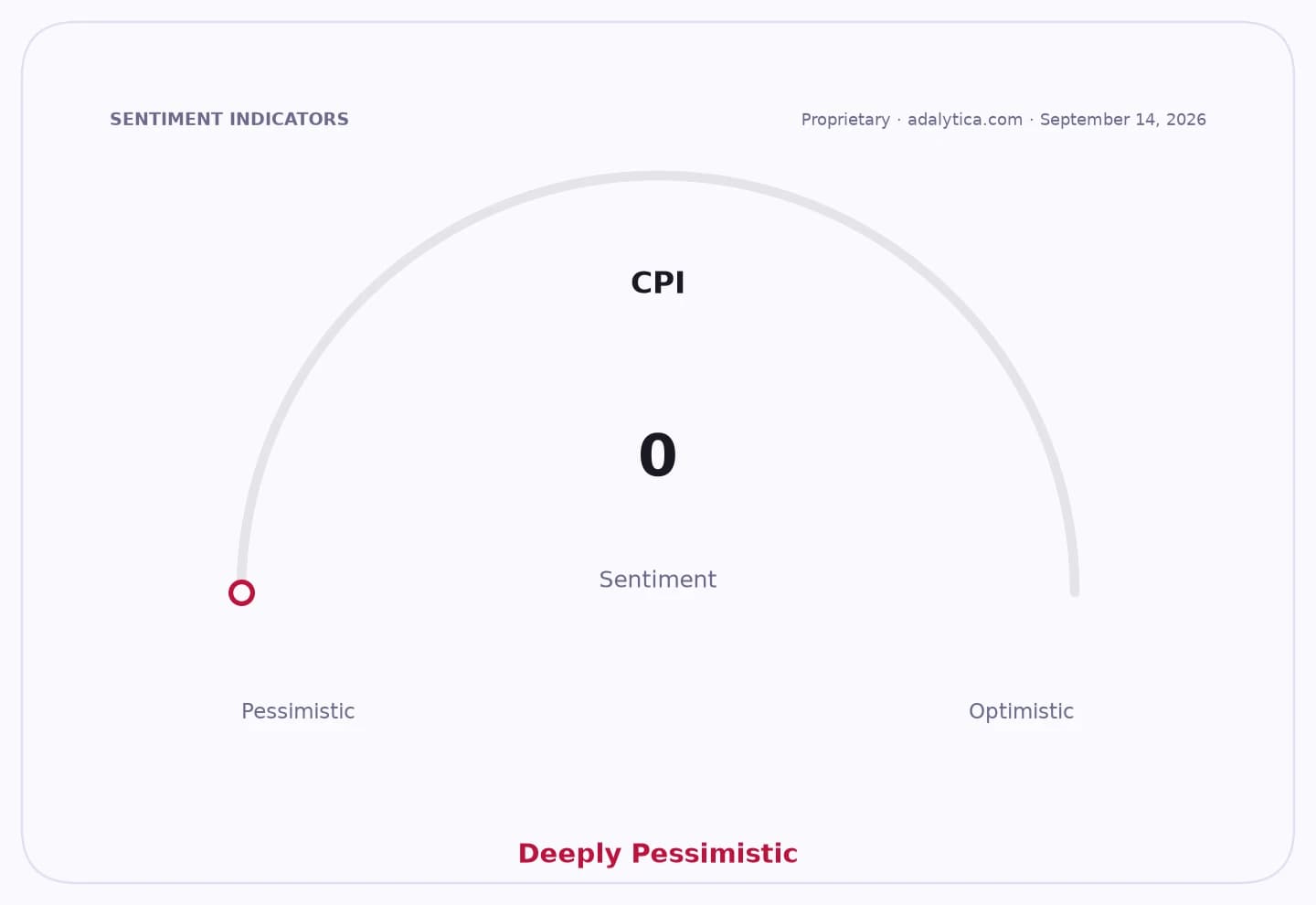
Sentiment IndicatorsⓘProprietary · adalytica.com · October 4, 2026
This is a snapshot — live sentiment, awareness and momentum for 130+ markets update continuously in the dashboard.Open AlphaPulse
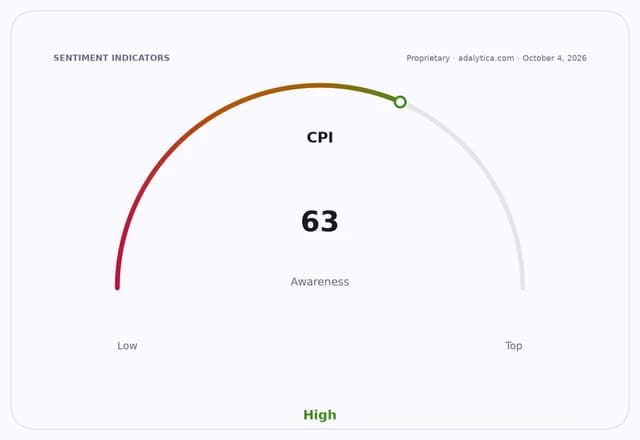
For investors, that matters because inflation is still the main obstacle to lower borrowing costs, stronger domestic demand and a more predictable currency backdrop. If the data comes in close to expectations, it would give policymakers more room to keep steering away from emergency-style tightening and toward a slower normalization path. A softer inflation print would also help support Turkish assets that are highly sensitive to the inflation outlook, including lira-denominated bonds and bank stocks.
There are signs the inflation story remains sticky beneath the surface. Istanbul Chamber of Commerce data showed monthly inflation in the city accelerated to 2.11% in September from 1.66% in August, even as annual inflation eased to 33.55% from 34.96%. Education was the biggest driver, with costs surging 22.59% on the month, while transportation rose 4.6% and restaurants and hotels climbed 2.42%. Food and non-alcoholic beverages increased just 0.14%, showing that the pressure is not broad-based in every category, but it is still far from gone.
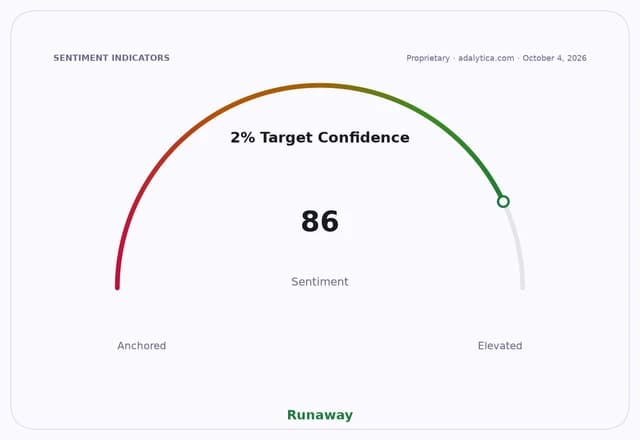
That combination of easing annual inflation and stubborn monthly gains is exactly why Thursday’s national reading will matter so much. A smaller-than-expected rise would strengthen hopes that price momentum is cooling enough to keep year-end inflation near the survey’s 29.66% forecast. A hotter number, by contrast, would revive worries that disinflation is losing steam just as households and businesses are looking for relief.
For long-term investors, the bigger narrative is straightforward: Türkiye is still in a stabilization phase, and inflation remains the variable that will determine how quickly confidence can rebuild. Until price growth slows more convincingly, the market will keep pricing in caution rather than comfort. That makes this week’s report worth watching closely, especially for anyone focused on Turkish banks, consumer stocks and the lira.
| Entity | Gains | Losses |
|---|---|---|
| Turkish households | ▲Slower price pressure | ▼Real incomes under strain |
| Turkish policymakers | ▲More room to normalize policy | ▼Pressure if inflation stays sticky |
| Turkish banks and bonds | ▲Better rate outlook | ▼Higher-for-longer inflation risk |
| Consumers and retailers | ▲Hope for steadier spending | ▼Cost burdens if prices reaccelerate |