Tenants in Istanbul are finding that changing homes now costs more than 200,000 lira, turning moving into a luxury and strengthening landlords’ hands in rent negotiations.
Istanbul tenants face 200,000-lira moving costs
That cost burden matters because it changes the economics of housing mobility. When deposits, realtor fees, transport, utility transfers and other expenses add up to a sum comparable with many households’ annual savings, tenants are less able to walk away from steep rent increases. In practice, that means a legal right to contest an above-limit increase can be weakened by the simple fact that many renters cannot afford the move.
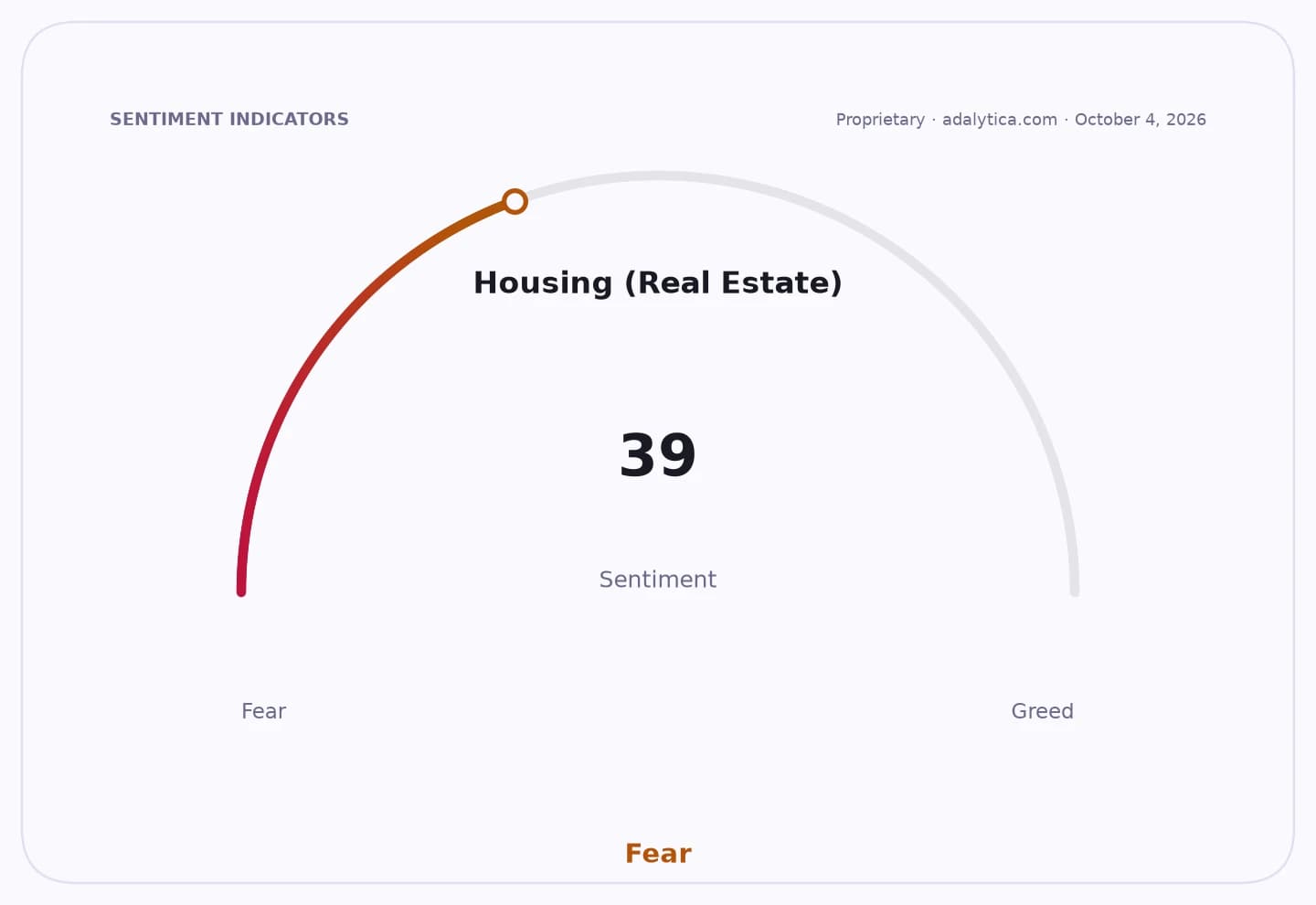
Sentiment IndicatorsⓘProprietary · adalytica.com · October 4, 2026
This is a snapshot — live sentiment, awareness and momentum for 130+ markets update continuously in the dashboard.Open AlphaPulse
The pressure is strongest in a market where rents have already been elevated by tight supply and higher housing costs. In Istanbul, tenants facing renewal can either accept a higher rent, fight it legally or move. But with the cost of moving so high, the third option is increasingly out of reach, especially for civil servants and lower-income households. That gives landlords more room to push for higher renewal rates than the formal annual cap would suggest, even if a tenant has legal grounds to resist.
A further complication is the use of eviction commitments signed alongside lease contracts. According to the report, some landlords are asking tenants to sign a tahliye taahhütnamesi — an eviction undertaking that can be executed if it meets legal requirements — which can be used to pressure tenants during renewal talks. For renters, that reduces bargaining power at the moment when they are already least able to absorb the cost of relocating.
The broader effect is a housing market in which financial inertia is replacing choice. Renters are being pushed into smaller homes, with demand shifting toward 1+0 and 1+1 units and away from larger family apartments. Industry figures say buyers no longer assume bigger floor space automatically sells; instead, they are prioritizing efficient layouts, parking and shared amenities, a sign that affordability is reshaping what the market can build and absorb.
The latest report from Emlakjet and Endeksa reinforces that shift. Average housing prices in Turkey rose 23.5% nominally over the past year to 42,488 lira per square meter, while the average home value reached 5.311 million lira. Adjusted for inflation, though, prices fell 6.2% in real terms, suggesting that nominal gains are being overtaken by the broader cost environment. That combination — higher rents, high moving costs and pressured purchasing power — is forcing households to trade size for affordability.
For investors and developers, the implication is that demand is moving downmarket rather than disappearing. Smaller units, lower total ticket prices and projects with stronger practical amenities should remain better positioned than large apartments aimed at stretched middle-income buyers. For landlords, high relocation costs may help support rental growth in the near term. For tenants, the result is a market where mobility is expensive, bargaining power is thin and staying put often costs less than leaving.
| Entity | Gains | Losses |
|---|---|---|
| Landlords | ▲Stronger rent leverage | ▼Less tenant turnover |
| Tenants | ▲Stability if they stay | ▼Higher renewal pressure |
| Developers of smaller units | ▲Better demand | ▼Larger-family-home builders |
| Realtors and movers | ▲Higher fee pools | ▼Lower move volumes |