Turkey’s housing market is splitting sharply by city, with a 100-square-meter home now averaging 6.5 million lira in Istanbul, 5.3 million in Izmir and 3.9 million in Ankara, pushing affordability seekers toward smaller Anatolian cities and cheaper districts on the outskirts of the country’s biggest metro.
Turkey Housing Prices Split by City and District
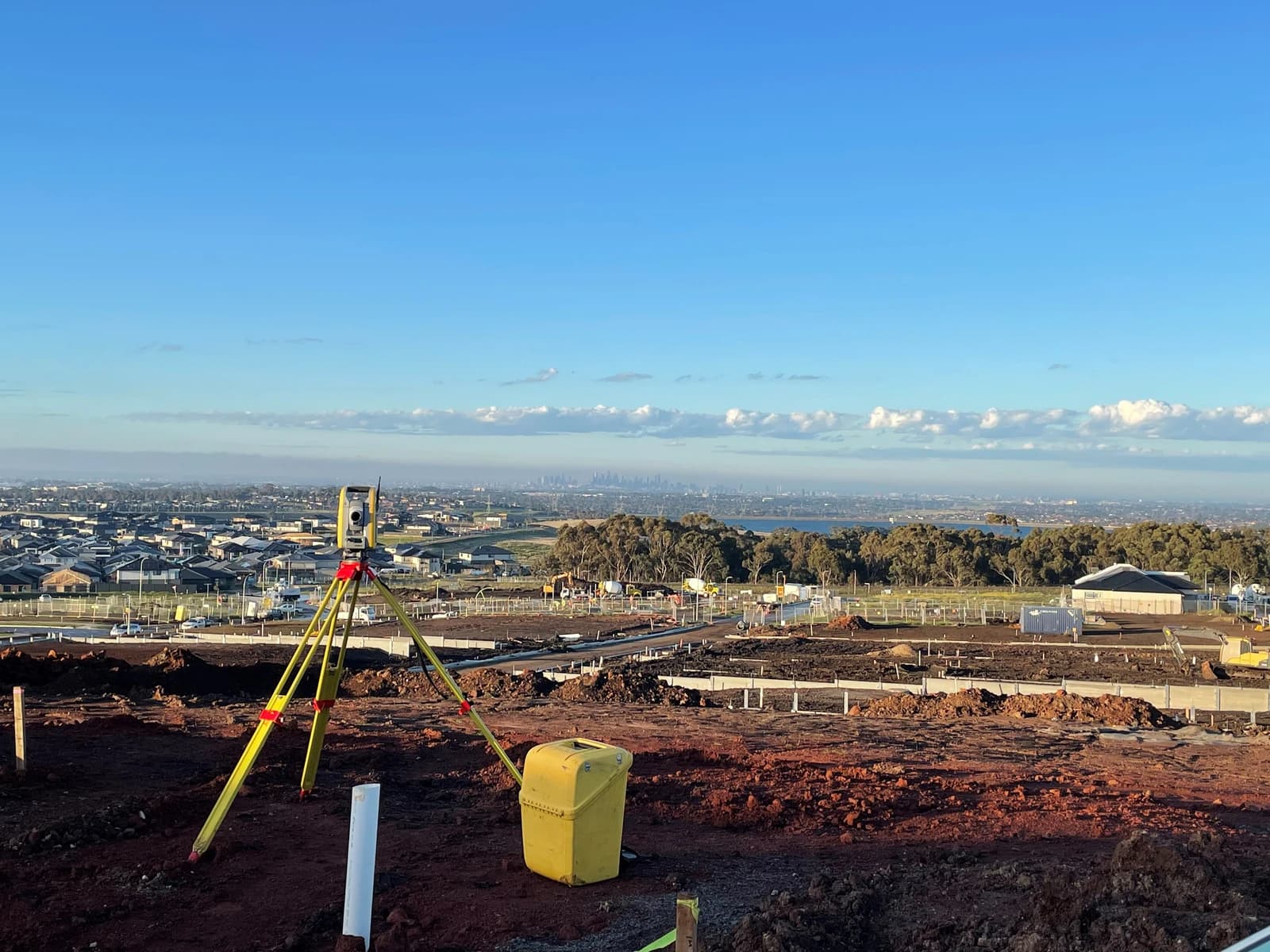
That gap matters economically because housing is one of the largest costs for households and a key channel for inflation, household balance sheets and consumer spending. When the same-size home costs millions more in Istanbul than in inland provinces such as Kilis, Ağrı, Osmaniye, Malatya and Kayseri, demand naturally shifts away from prime urban centers and toward lower-cost markets, reshaping migration, construction demand and rental pressure.
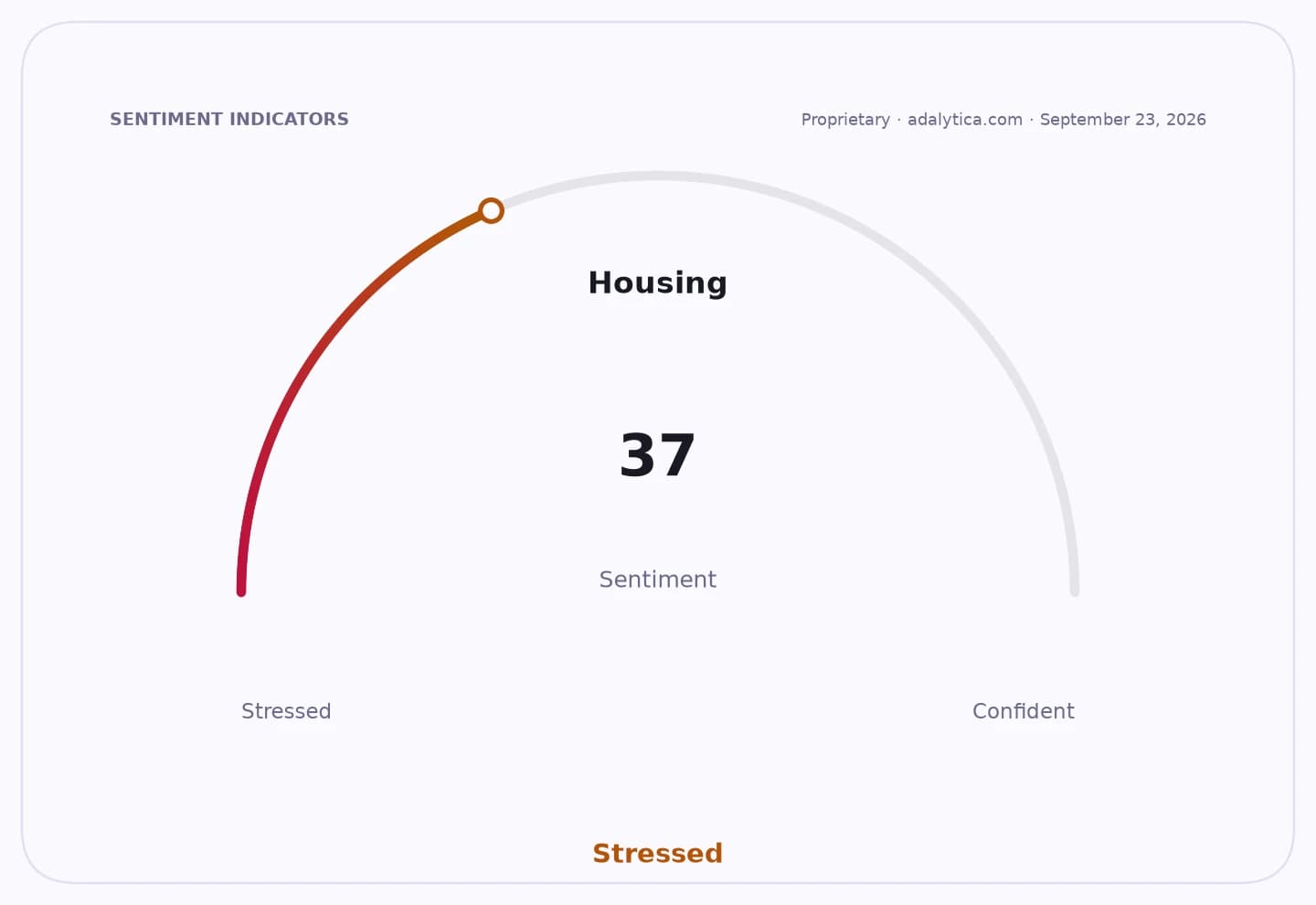
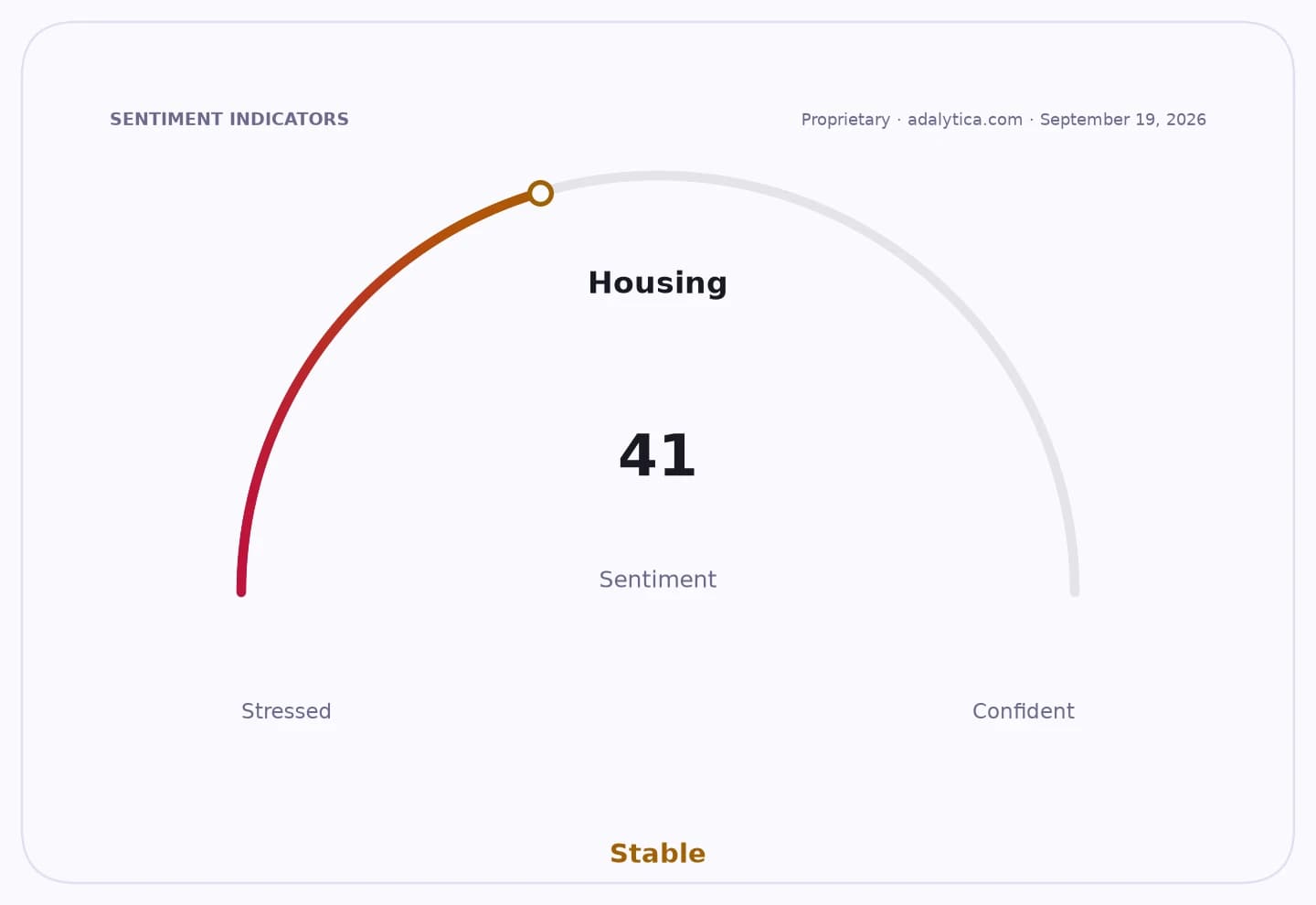
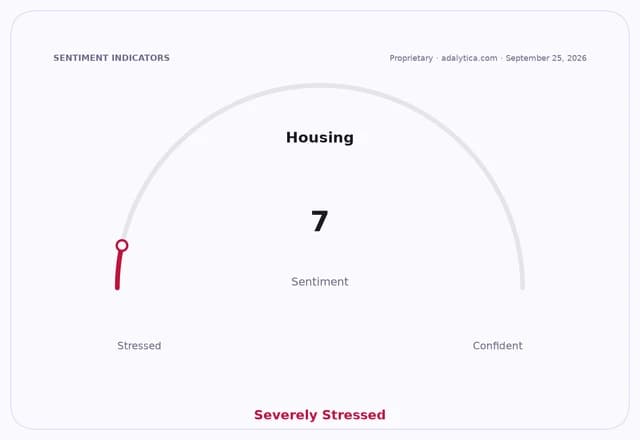
Sentiment IndicatorsⓘProprietary · adalytica.com · September 25, 2026
This is a snapshot — live sentiment, awareness and momentum for 130+ markets update continuously in the dashboard.Open AlphaPulse
Real estate expert Şenay Araç said buyers need to look beyond the sticker price and weigh earthquake safety, title deed status, occupancy permits, location, rental income and future appreciation potential. In a market where land is scarce in premium Istanbul districts, location and plot value still drive the biggest price differences — even between two apartments of the same size.
The rental market shows the same divide. A 100-square-meter home rents for an average 45,650 lira a month in Istanbul, 32,740 lira in Izmir and 29,410 lira in Ankara, while smaller Anatolian cities such as Mardin, Kilis, Ağrı and Sivas offer lower rents. For investors, that makes the entry price just as important as the rent: Araç noted that a 4 million lira home generating 25,000 lira in monthly rent would take roughly 13 years to pay back before costs.
In Istanbul, buyers with average budgets are being steered toward Esenyurt, Beylikdüzü, Silivri, Arnavutköy and Sultangazi, while premium demand remains concentrated in Beşiktaş, Sarıyer, Bebek, Etiler, İstinye, Tarabya and the Bağdat Caddesi corridor. The spread underlines how Turkey’s housing market is increasingly being priced by neighborhood quality, not just square meters.
For investors, the main question is now whether to chase yield, future capital gains or both. With affordability still stretched and safer, better-located homes commanding premiums, the next leg of the market will likely be determined by financing conditions, construction costs and whether more buyers can be pulled into lower-priced districts without sacrificing safety or liquidity.
| Entity | Gains | Losses |
|---|---|---|
| Buyers in Anatolia | ▲Lower entry prices | ▼Fewer prime-location options |
| Istanbul prime-district owners | ▲Strong pricing power | ▼Affordability-sensitive demand |
| Rental investors in high-yield districts | ▲Higher cash returns | ▼Greater vacancy and price risk |
| Home seekers in Istanbul | ▲More district choice | ▼Higher capital needed |