Turkey’s October rent increase ceiling has been fixed at 31.49%, underscoring how persistent inflation continues to feed directly into household housing costs and landlord cash flows.
Turkey October rent cap set at 31.49%
The rate, announced after the latest inflation data from the Turkish Statistical Institute, determines the maximum annual increase landlords can apply to residential leases starting in October. For tenants, it means another sizable step-up in one of the most sensitive monthly expenses. For landlords, it preserves pricing power in a market where nominal rents are still being reset sharply higher to keep pace with the broader cost environment.
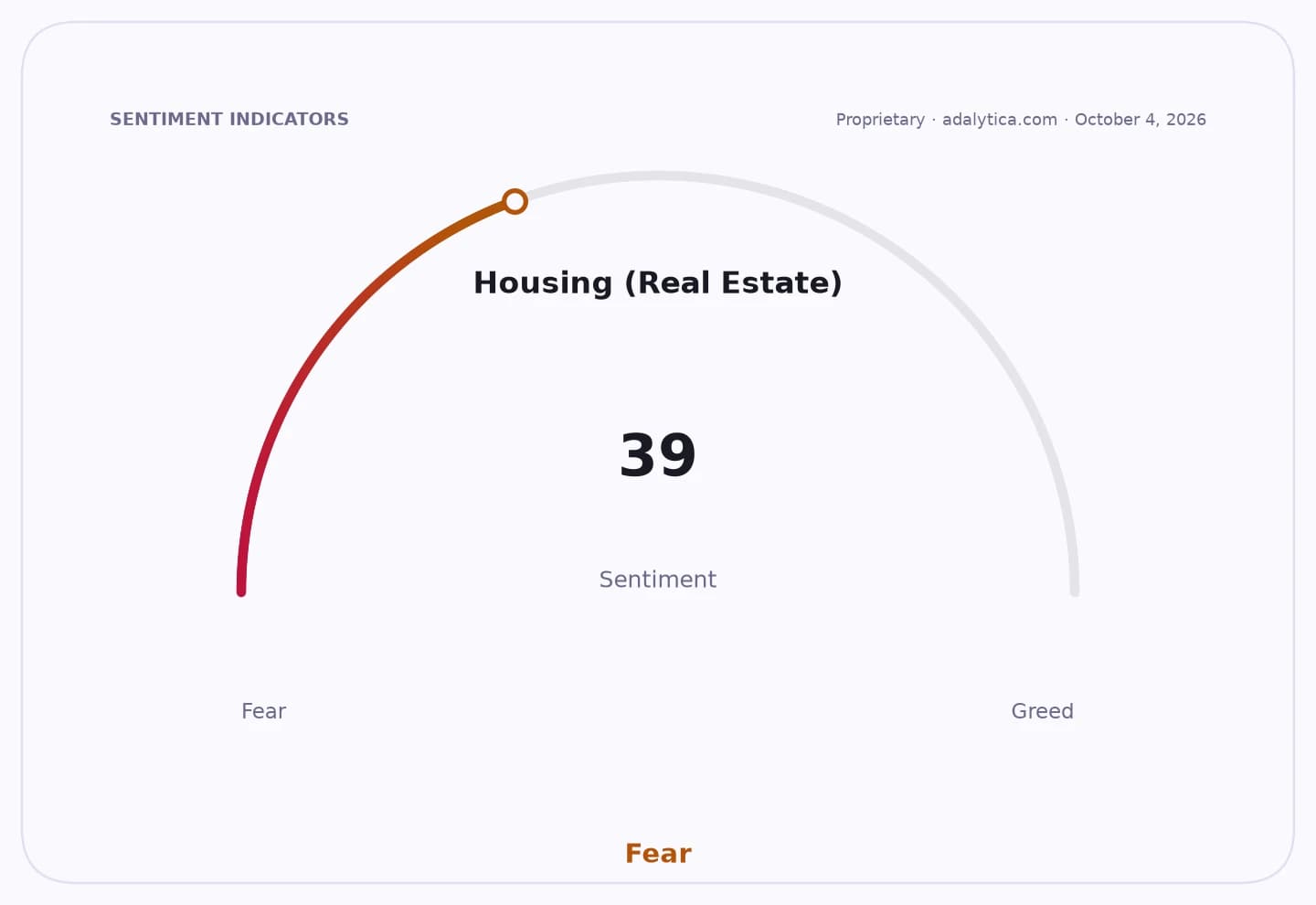
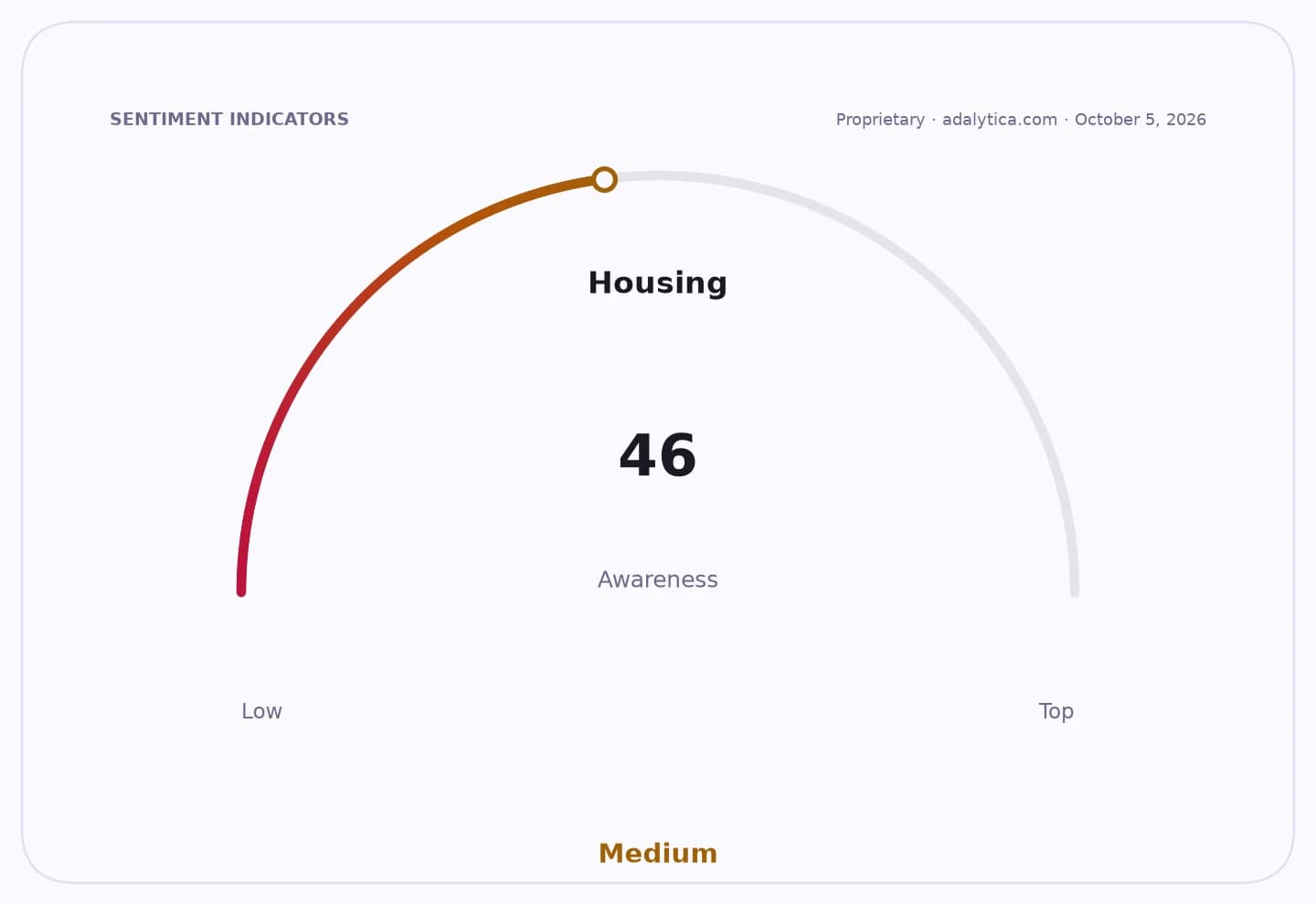
Sentiment IndicatorsⓘProprietary · adalytica.com · October 5, 2026
This is a snapshot — live sentiment, awareness and momentum for 130+ markets update continuously in the dashboard.Open AlphaPulse
The mechanism matters because Turkey ties residential rent adjustments to the 12-month average change in consumer prices, making inflation a near-immediate transmission channel into the rental market. In practical terms, a 20,000-lira monthly rent would rise by roughly 6,298 lira under the new cap. That keeps rents firmly in line with double-digit inflation dynamics rather than offering any meaningful relief to households.
The announcement also highlights the policy trade-off facing Ankara. A formula-based rent cap helps prevent landlords from charging beyond the official ceiling, but it does not break the inflation-rent loop that has pressured affordability across urban housing markets. In a high-inflation setting, regulated increases can still be steep enough to sustain upward pressure on living costs, wages and consumer expectations.
For investors, the implication is broader than the housing market alone. Sticky rental inflation tends to reinforce the case for a tighter monetary stance for longer, which can weigh on domestic demand, real incomes and rate-sensitive assets. It also keeps attention on Turkish inflation prints, since housing is a major input into the cost of living and a key driver of services inflation.
The new cap lands against a backdrop of mixed signals in global property markets. In the U.S., apartment and single-family rental landlords have been navigating slower rent growth and weaker pricing power than during the post-pandemic surge. Turkey remains on the other side of that cycle, where inflation rather than oversupply is doing most of the work. That divergence matters for anyone comparing real-estate cash flows, consumer stress and policy risks across markets.
The next catalyst will be whether inflation eases enough to bring future rent adjustment rates down. Until then, October’s 31.49% ceiling suggests Turkish households will keep facing heavy pressure from housing costs, even as landlords benefit from a rental system still indexed to inflation rather than insulated from it.
| Entity | Gains | Losses |
|---|---|---|
| Landlords | ▲Higher permitted rents | ▼Tenants’ affordability |
| Tenants | ▲Regulatory cap protection | ▼Monthly housing budgets |
| Turkish policymakers | ▲Administered rent formula | ▼Inflation credibility if rents stay high |
| Inflation-linked property owners | ▲Revenue growth support | ▼Real income-sensitive consumers |