Turkey’s annual inflation has slipped below 30% for the first time in 57 months, giving Finance Minister Mehmet Şimşek a rare policy win and investors a clearer path toward easier price pressure ahead.
Turkey inflation falls below 30% as rents ease
That matters because inflation is still the central variable for Turkish assets: it shapes central bank room to cut rates, affects the lira’s stability, and determines whether households and companies can start planning beyond the next price hike. For long-term investors, the key question is not just whether inflation is falling, but whether the decline can become durable enough to support real earnings growth and a more predictable valuation backdrop.
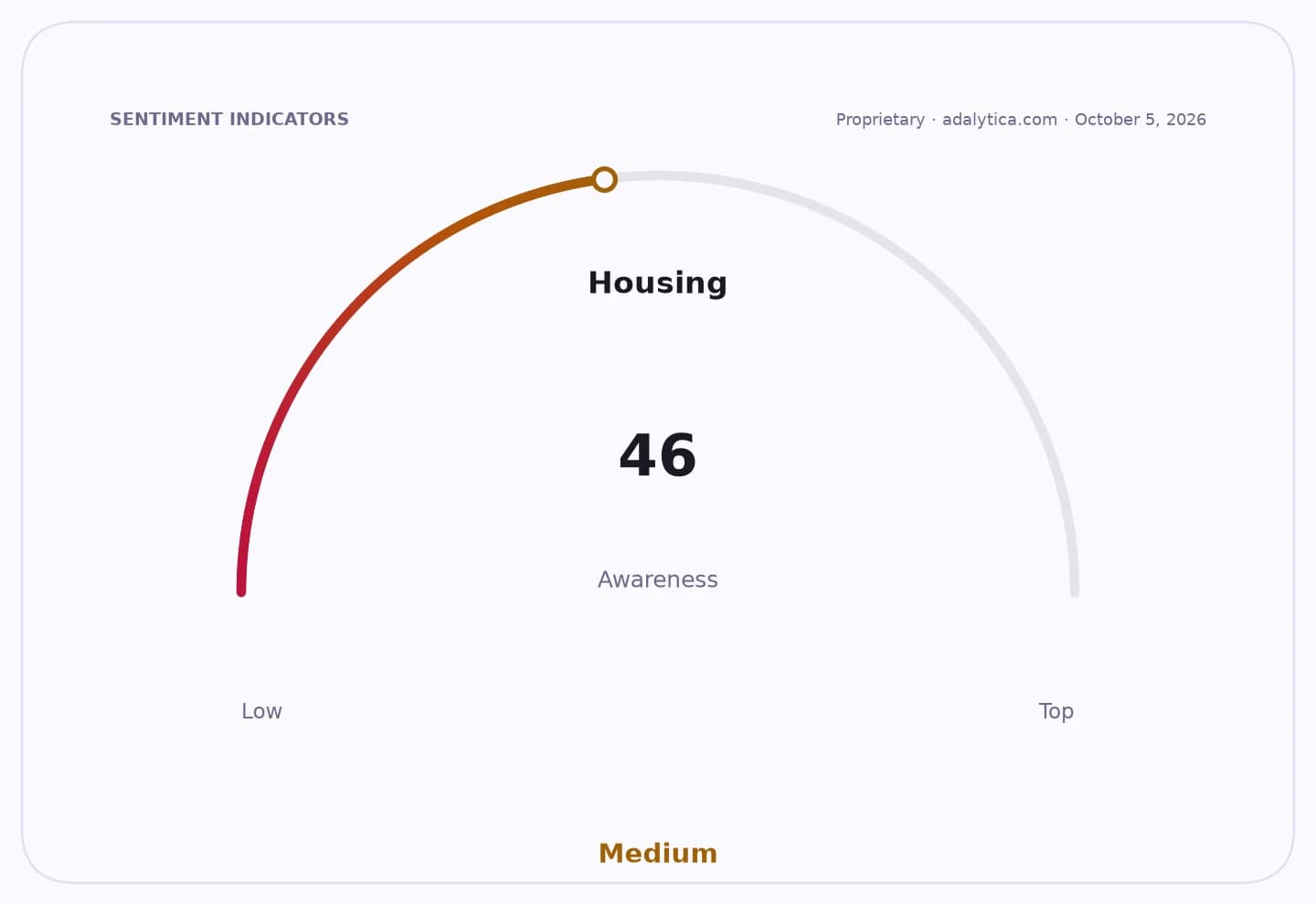
Sentiment IndicatorsⓘProprietary · adalytica.com · October 5, 2026
This is a snapshot — live sentiment, awareness and momentum for 130+ markets update continuously in the dashboard.Open AlphaPulse
Şimşek said food inflation slowed to 27.6% in September, down 8.4 percentage points from a year earlier, while education inflation eased to 48.6% after a 17.5-point drop. He also said annual rent inflation fell to 41.3%, down 27.8 points from a year earlier, and argued that leading indicators point to further easing in rents. That is especially important in Turkey, where services inflation has been sticky and rents have been one of the biggest sources of household pain.
The minister’s comments also show how policymakers are trying to manage the next phase of disinflation. He said Ankara is gradually exiting the fuel-price balancing mechanism for gasoline, after doing the same for diesel, to limit the inflationary impact of recently rising oil prices. In plain terms, the government is acknowledging that cheaper inflation readings will not come automatically; they will require active policy management, especially if energy prices stay firm.
For investors, that is a mixed but constructive signal. A steady disinflation trend would improve the outlook for Turkish bonds and locally exposed equities, especially businesses with pricing power, strong balance sheets and domestic demand that can recover as real incomes stabilize. It would also support the argument that Turkey can keep reducing the inflation premium built into asset prices over the past several years.
But the story is not over. Turkey’s inflation path still depends on rents, food supply, energy costs and the credibility of policy execution. The official data point to progress, yet the broader market will want to see several more months of moderation before declaring victory. For now, the takeaway for investors is straightforward: Turkey’s inflation fight is moving in the right direction, and that alone makes the country worth keeping on the watchlist.
| Entity | Gains | Losses |
|---|---|---|
| Turkish households | ▲Slower erosion of purchasing power | ▼Persistent cost-of-living stress |
| Turkish government | ▲Credibility from disinflation progress | ▼Pressure to keep tightening policy |
| Turkish bonds and equities | ▲Lower inflation risk premium | ▼Volatility if oil or rents reaccelerate |
| Consumers and renters | ▲Hopes for slower rent increases | ▼Landlords and price setters with weaker pricing power |