Turkey’s spot natural gas reference price was set at 18,700 lira per 1,000 cubic meters yesterday, with trading volumes thin and system inflows broadly matching supply, underscoring a market that is stable on the surface but still sensitive to global energy volatility.
Turkey spot gas price set at 18,700 lira

The price level itself is not the story so much as what it says about Turkey’s short-term gas balance: 161,000 cubic meters of gas changed hands, while the market registered 3.01 million lira of turnover, slightly below the previous day’s 3.10 million lira. At the same time, gas entering Turkey totaled 94.7 million cubic meters and supply to the market came in almost exactly in line at 94.73 million cubic meters, suggesting no immediate domestic shortage or disruption.
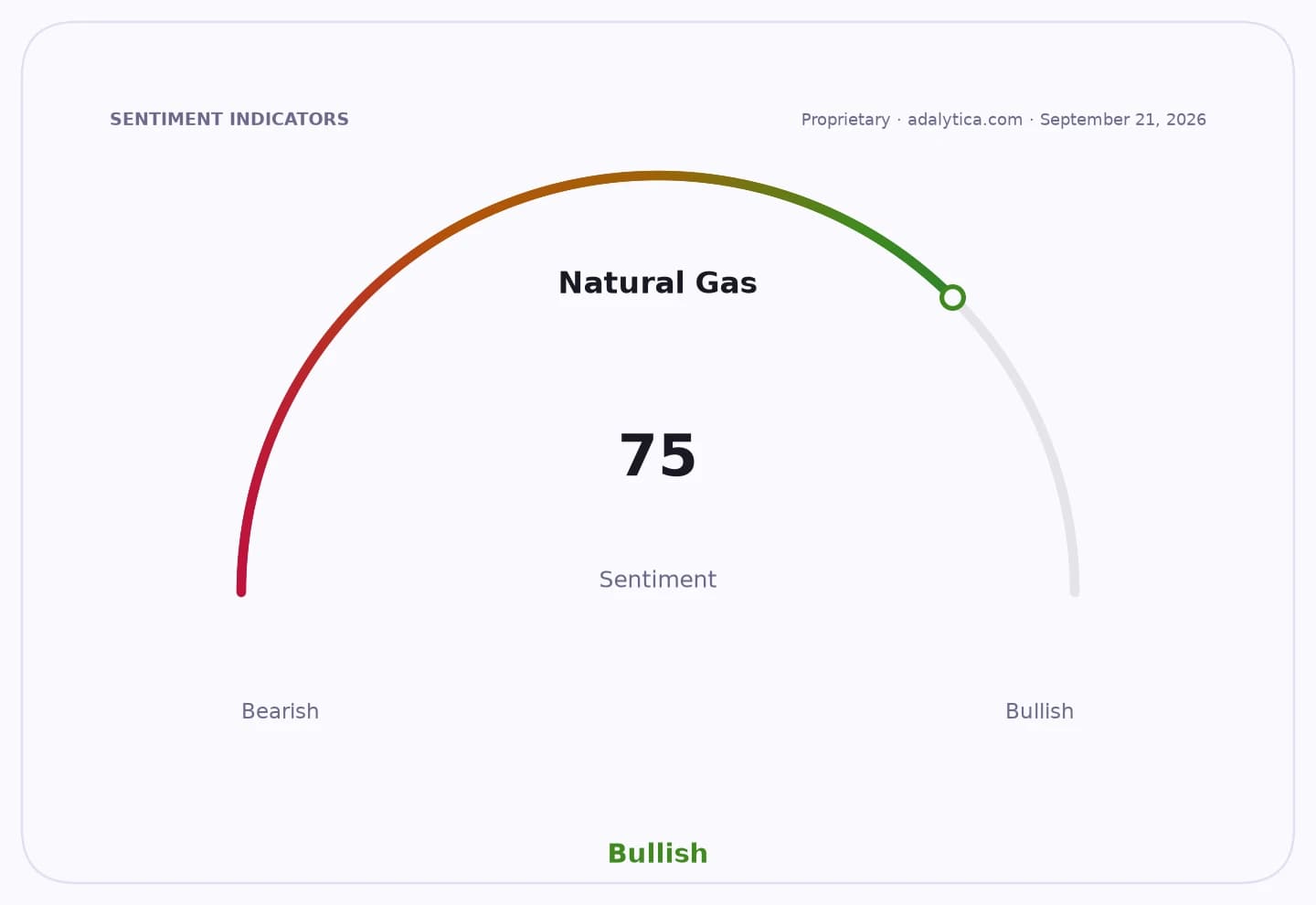
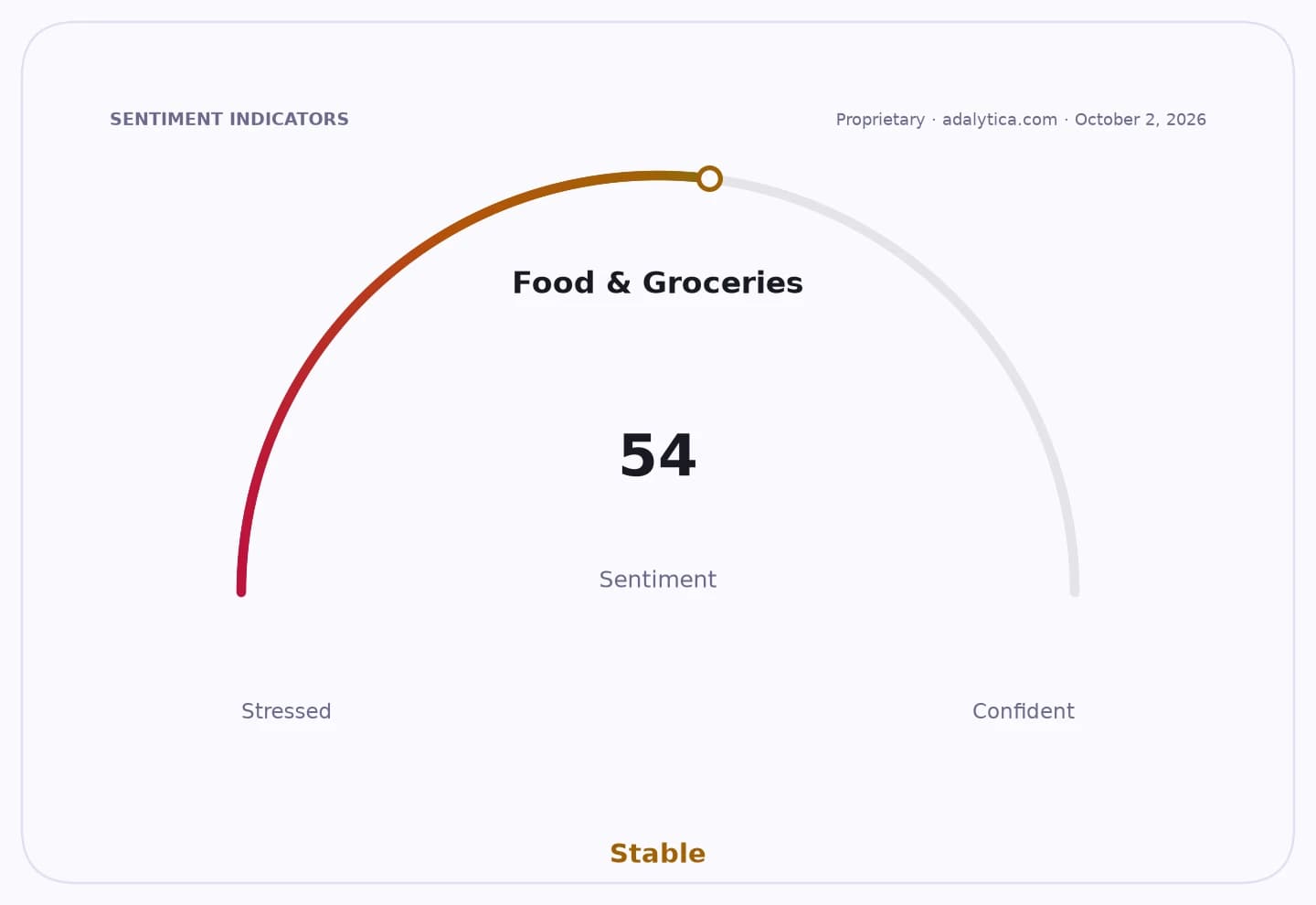
Sentiment IndicatorsⓘProprietary · adalytica.com · October 4, 2026
This is a snapshot — live sentiment, awareness and momentum for 130+ markets update continuously in the dashboard.Open AlphaPulse

For policymakers and utilities, that balance matters because natural gas remains a key input for household heating, power generation and industrial production. Even when spot volumes are small relative to total system intake, the reference price influences expectations across the chain, from wholesalers to large consumers that are exposed to short-term market pricing. Stable inflows help cushion the pass-through to local energy costs, but they do not fully insulate Turkey from a broader rise in global gas prices.
That global backdrop remains important. Natural gas prices have been climbing in other markets amid tight winter reserve concerns and geopolitics, while energy inflation is also feeding regulatory scrutiny in several countries. In that environment, Turkey’s ability to keep physical flows near demand is economically significant: it reduces the risk of an abrupt price shock, even if imported energy remains a structural vulnerability.
The spread in balancing gas prices also shows how the market is managing day-to-day system needs. The balancing purchase price was set at 19,635 lira per 1,000 cubic meters, while the balancing sales price was 17,765 lira, a gap that reflects normal market-making around supply and demand rather than stress. For investors, that suggests the local gas market is functioning, but with limited liquidity and little room for error if colder weather, import issues or wider commodity volatility hit.
The next focus will be whether this pricing stability can hold as seasonal demand rises and as international gas markets remain choppy. If import flows stay firm and domestic balancing costs remain contained, Turkey’s gas market should remain orderly. If not, the reference price could quickly become a more important signal for utilities, industrial buyers and energy-sensitive sectors.
| Entity | Gains | Losses |
|---|---|---|
| Turkish gas consumers | ▲Stable supply, fewer price shocks | ▼Limited near-term relief |
| Importers and utilities | ▲Predictable system balances | ▼Exposure to global price swings |
| Industrial gas users | ▲Steadier input costs | ▼Vulnerability to winter demand spikes |
| Spot sellers | ▲Clear reference pricing | ▼Thin trading liquidity |