Argentina’s rental market has become far more expensive since the repeal of the Rent Law, with rents rising more than twice as fast as inflation and adding pressure to household budgets, landlords and the government’s broader cost-of-living fight.
Argentina rents rise after Rent Law repeal

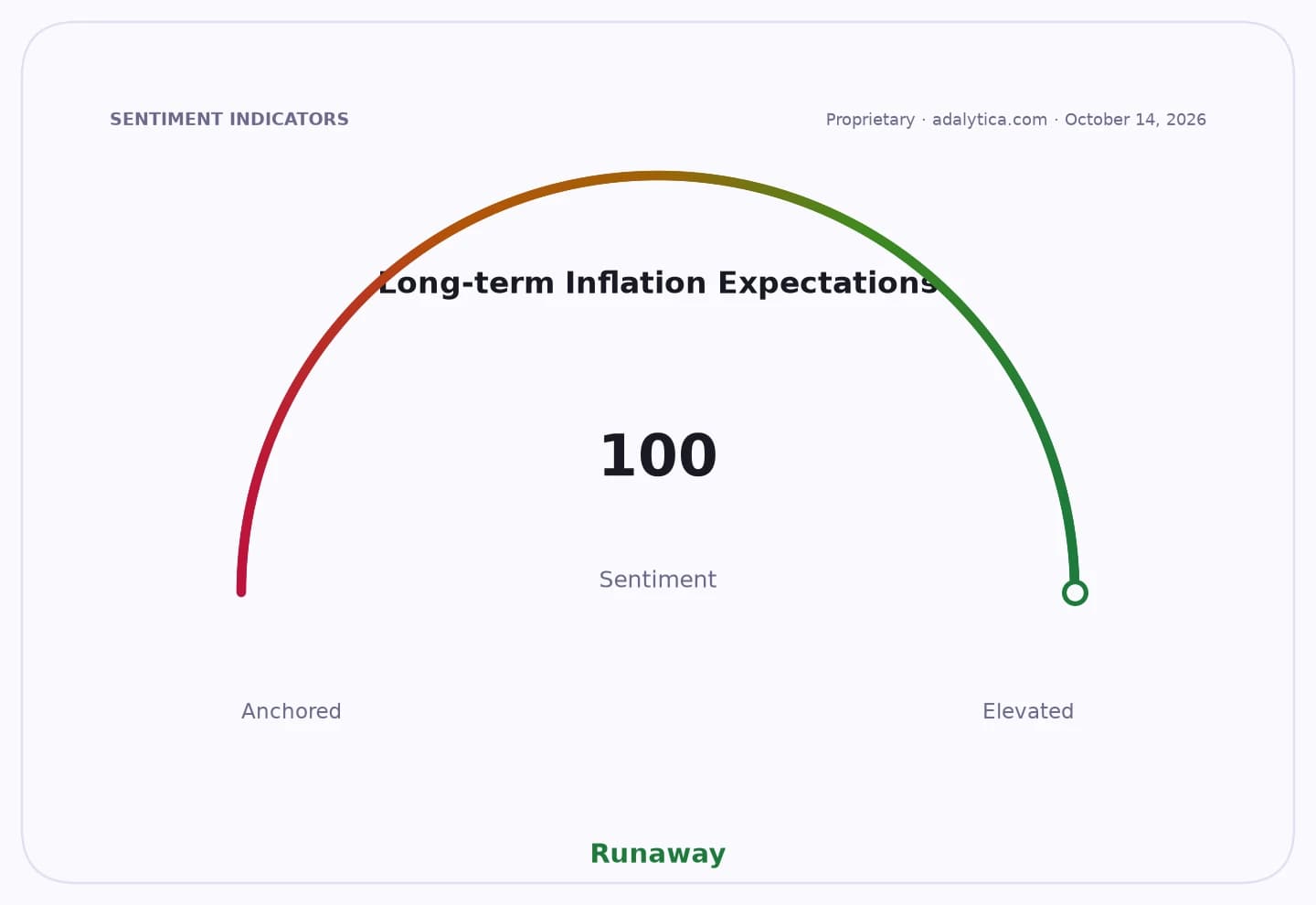
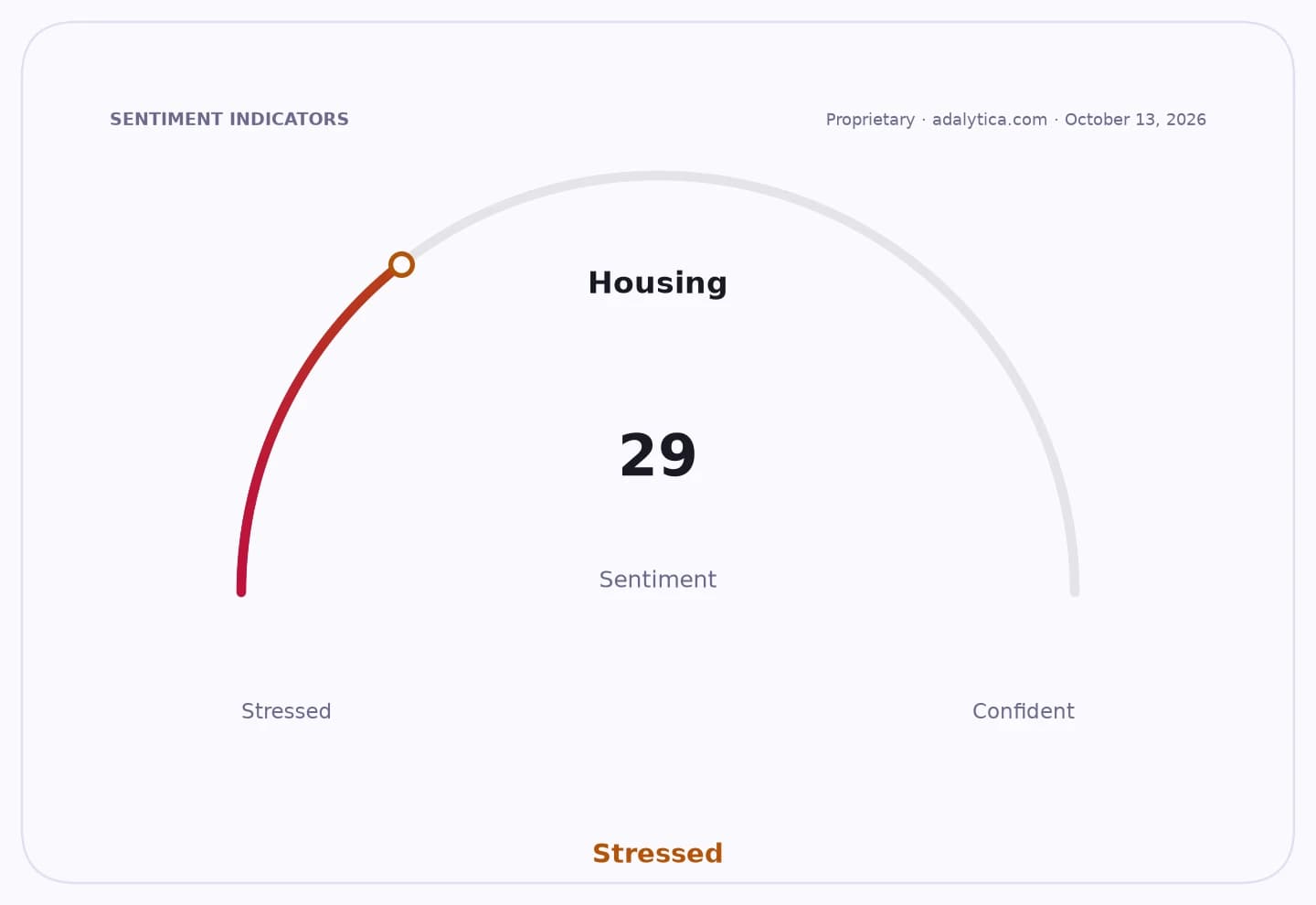
The gap matters because housing is one of the biggest line items for urban consumers, and faster rent growth feeds directly into inflation expectations at a time when policymakers are trying to stabilize prices and rebuild confidence. If the lower house votes to overturn decree 70/23, the rental rules could return, potentially reshaping lease terms, supply and pricing power across the market.
Sentiment IndicatorsⓘProprietary · adalytica.com · October 14, 2026
This is a snapshot — live sentiment, awareness and momentum for 130+ markets update continuously in the dashboard.Open AlphaPulse

According to the cited report, rents have risen more than double the pace of the consumer price index since November 2023, when the law was scrapped. The broader housing backdrop remains tight, with rental costs still climbing in major cities globally and home-price measures showing continued strain on affordability.
The policy debate now turns on whether tighter regulation would ease tenant stress or further distort an already fragile market. For investors, the issue matters beyond real estate: persistent housing inflation can keep overall inflation sticky, complicate interest-rate cuts and weigh on consumption, while any rollback of deregulation could alter returns for landlords and residential property owners.
That puts Argentine rental policy back on the radar as a macro story, not just a housing one. The next market catalyst is the congressional vote on DNU 70/23, which will determine whether the rental framework stays market-driven or swings back toward regulation.
| Entity | Gains | Losses |
|---|---|---|
| Tenants | ▲Lower rent pressure if rules return | ▼Higher costs since repeal |
| Landlords | ▲Faster price gains under deregulation | ▼Tighter margins if controls return |
| Policymakers | ▲More room to cool inflation if housing eases | ▼Credibility risk if rents keep outrunning CPI |
| Inflation-fighters | ▲Potential relief from rent pass-through | ▼Sticky housing costs if policy stays loose |