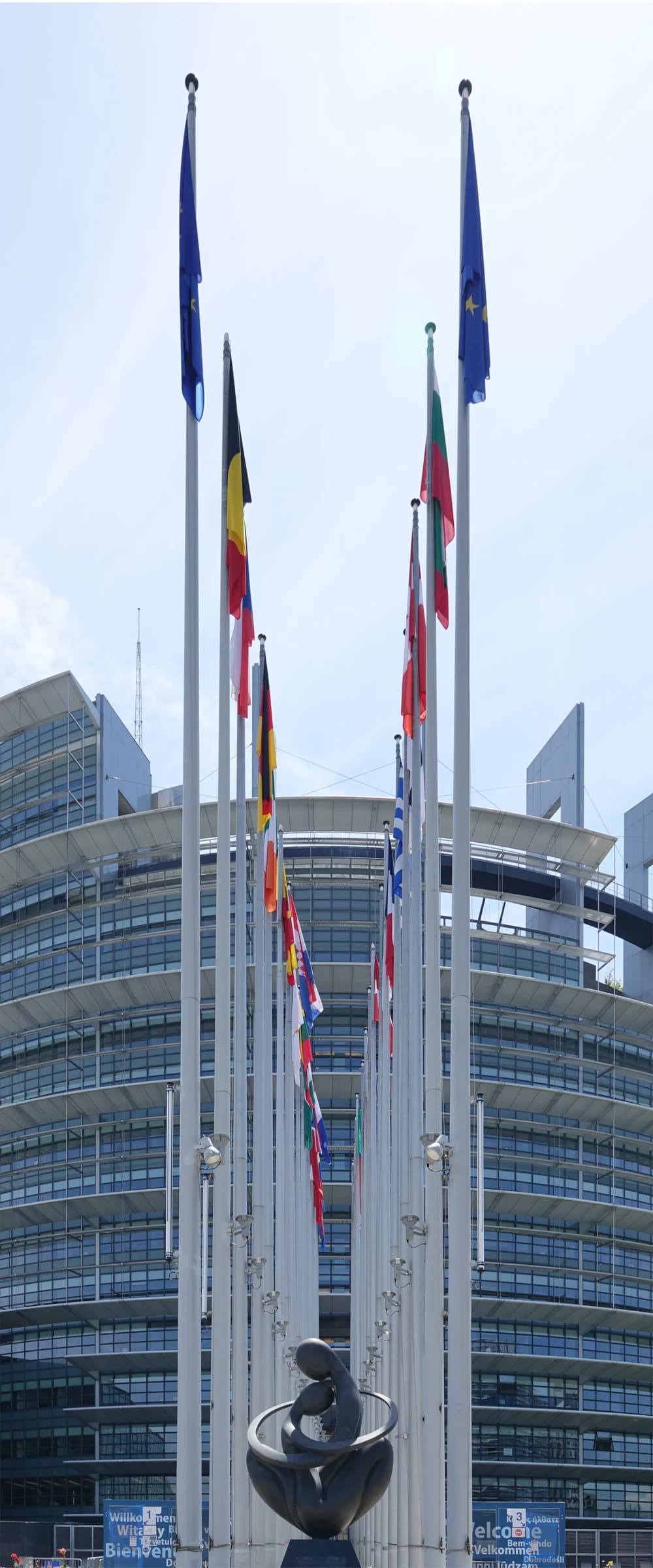
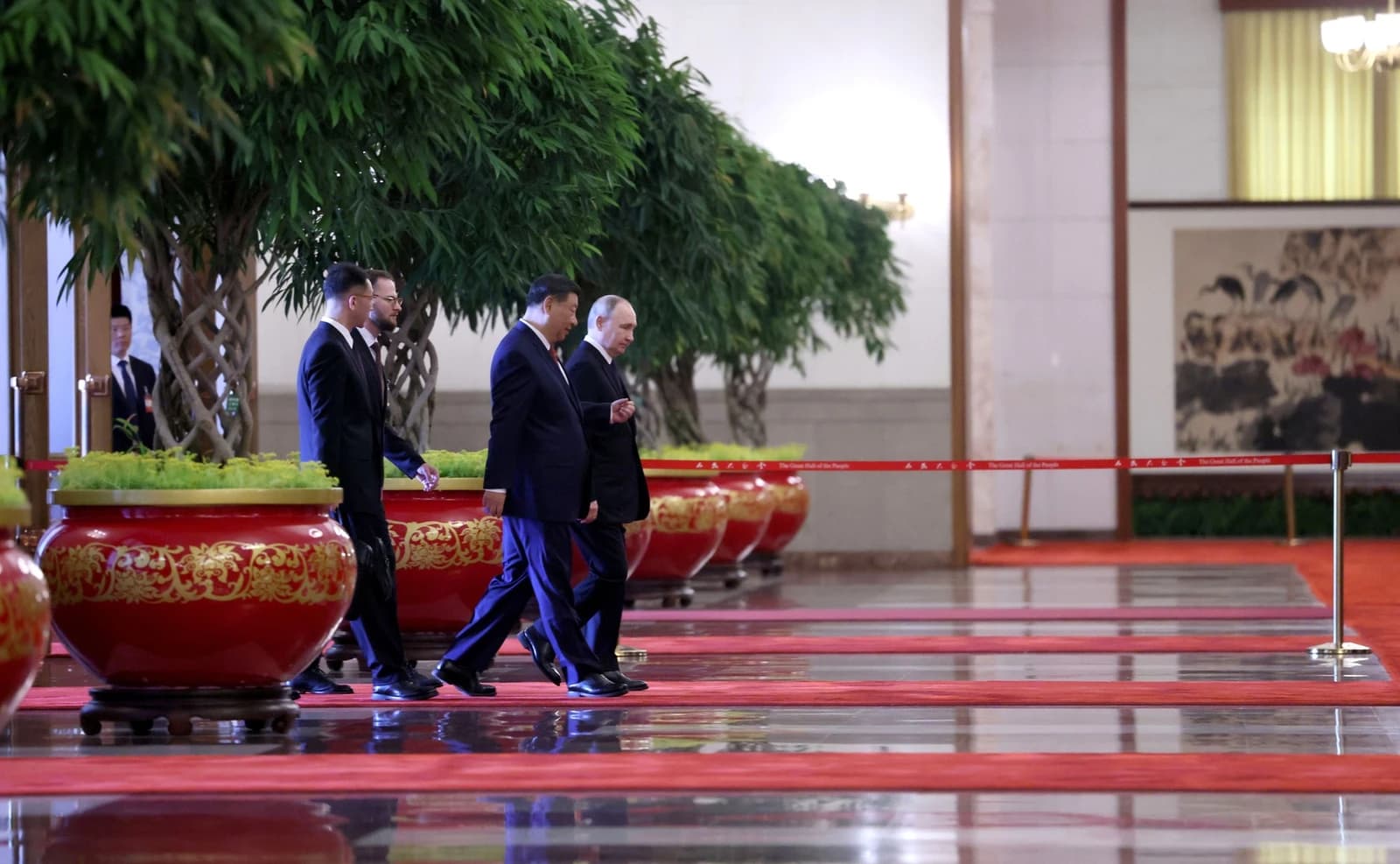
European Union leaders are set to debate whether to keep talking to China or move toward tougher trade defenses as record imports and a widening goods deficit intensify pressure on factories, jobs and already fragile politics across the bloc.
EU leaders debate tougher trade defenses vs China
The summit in Brussels comes as Beijing’s export surge — especially in cars and other manufactured goods — is colliding with weak growth in Europe and fresh strain on the region’s industrial base. For investors, the issue matters because it raises the odds of new tariffs, anti-dumping action and supply-chain restrictions that could hit Chinese exporters, lift protection for European manufacturers and add another layer of tension to global trade.
Sentiment IndicatorsⓘProprietary · adalytica.com · October 14, 2026
This is a snapshot — live sentiment, awareness and momentum for 130+ markets update continuously in the dashboard.Open AlphaPulse
At the center of the discussion is a preliminary EU-China understanding on curbing hybrid-car imports. That deal is being treated in Brussels as a possible first step, but not a final answer, to a broader rebalancing effort. The European Commission says the goods deficit with China hit 360 billion euros, or about $402 billion, last year and was already 200 billion euros in the first half of 2026.
European Commission President Ursula von der Leyen has called the imbalance “unsustainable,” while Trade Commissioner Maros Sefcovic described the hybrid-car deal as a “very good result” and only a starting point. A senior Commission official said this week that dialogue alone is unlikely to fix the problem, a sign the bloc is preparing for more forceful measures if talks stall.
That shift reflects a wider hardening in Europe’s stance toward China. Last week, France and Germany backed a paper calling for urgent action on imports of chemicals and PET plastics, faster tools to counter countries that hurt the bloc and measures to reduce dependence on single suppliers for critical inputs. The Commission is expected to present the first such proposal in December even if leaders decide to keep negotiating for now.
The political backdrop is equally important. German support for a tougher line marks a sharp reversal from its position two years ago, when Berlin opposed EU tariffs on China-built electric vehicles. The shift gives France and Germany a common position at a time when both want to show domestic voters they are defending European industry from cheap Chinese imports.
Pressure is mounting on leaders at home as well. Macron is dealing with protests and bond-market strain, Merz is trying to steady his coalition after regional losses and Sanchez faces an election after calling a snap vote for Nov. 29. Across the bloc, mainstream parties are under pressure from far-right and nationalist rivals that are exploiting anger over stagnant living standards and job insecurity.
That makes Thursday’s discussion more than a trade meeting: it is a test of whether Europe is prepared to accept a more confrontational economic relationship with China in order to protect its industrial base. For markets, the immediate watchpoints are any language on tariffs, chemicals and plastics, and whether Brussels signals that December will bring the first concrete steps beyond diplomacy.
| Entity | Gains | Losses |
|---|---|---|
| EU manufacturers | ▲Potential tariff relief | ▼Continued import competition |
| Chinese exporters | ▲Continued market access if talks hold | ▼Risk of curbs and duties |
| European Commission | ▲More leverage in trade talks | ▼Pressure to act fast |
| Consumers and importers | ▲Short-term low-cost goods | ▼Higher prices if restrictions rise |