The European Union is preparing to deepen ties with Vietnam on critical minerals, a move that could give Brussels a new supply route for tungsten, rare earths and other inputs it wants to source away from China.
EU Deepens Critical Minerals Ties With Vietnam

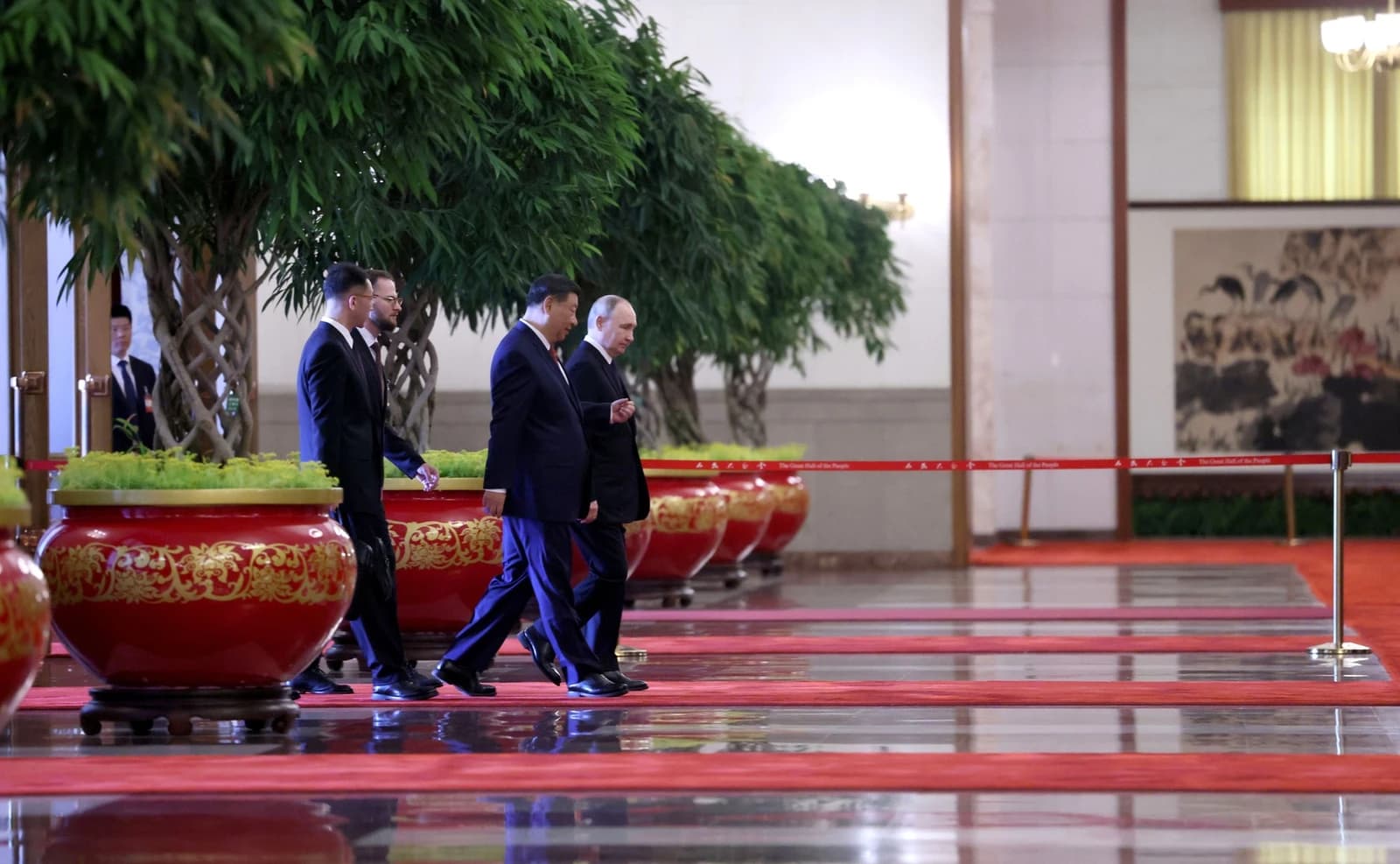
The push matters because Europe’s industrial and defense supply chains remain vulnerable to Beijing, which tightened export restrictions on critical materials in 2025 and exposed how quickly Chinese controls can disrupt production in Europe. Officials in Brussels now want Vietnam to become part of a broader diversification strategy, backed by financial support for the country’s mining and processing industries.
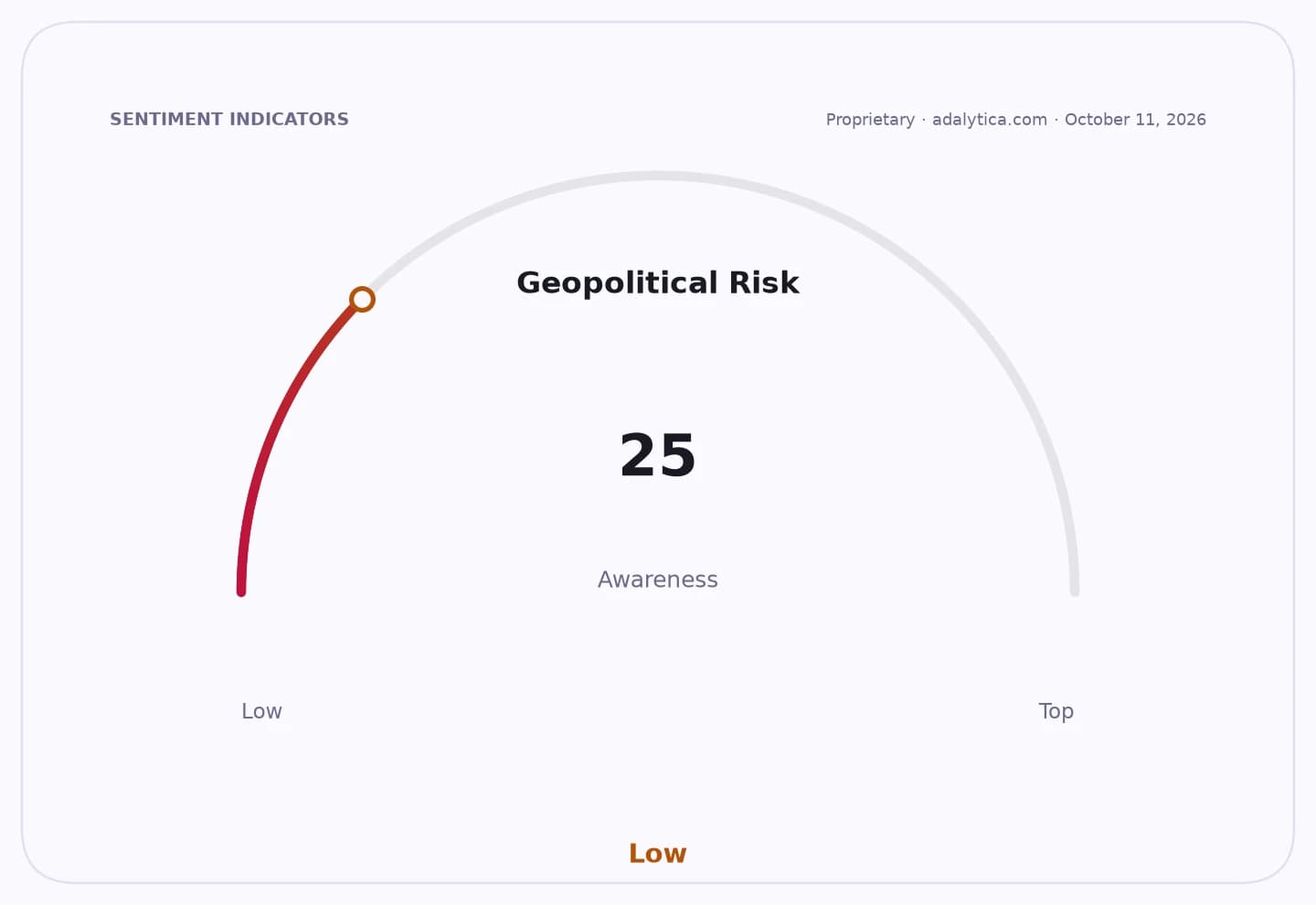
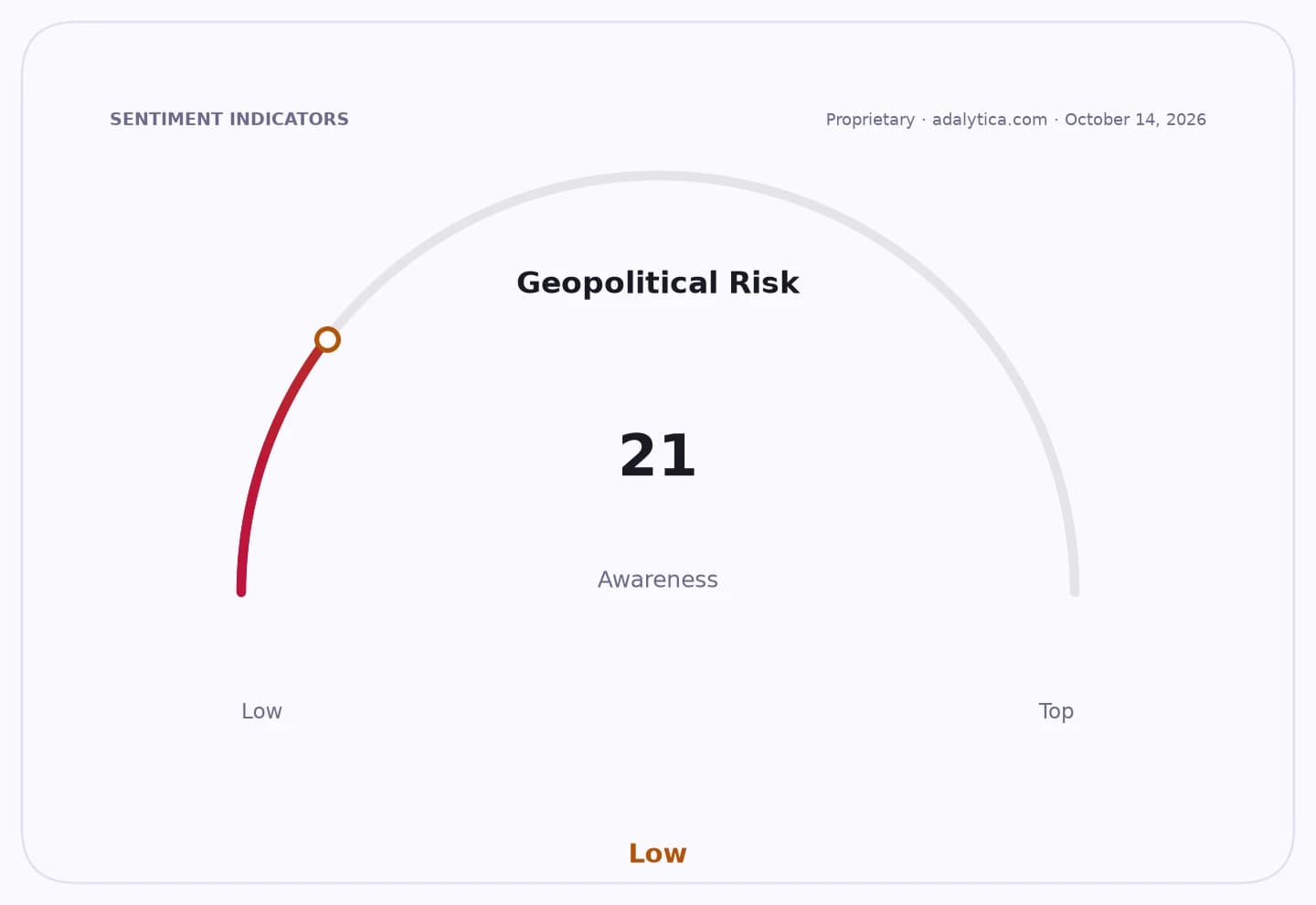
Sentiment IndicatorsⓘProprietary · adalytica.com · October 15, 2026
This is a snapshot — live sentiment, awareness and momentum for 130+ markets update continuously in the dashboard.Open AlphaPulse
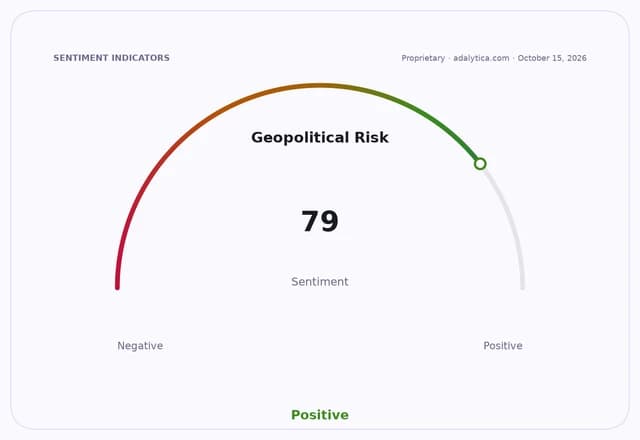
Reuters reported the EU wants to preserve and expand access to tungsten, bismuth, antimony and titanium, while also tapping Vietnam’s reserves of rare earths and gallium, which can be recovered as a byproduct of bauxite processing. Those materials are strategically important for ammunition, explosives, magnets and other defense and industrial uses.
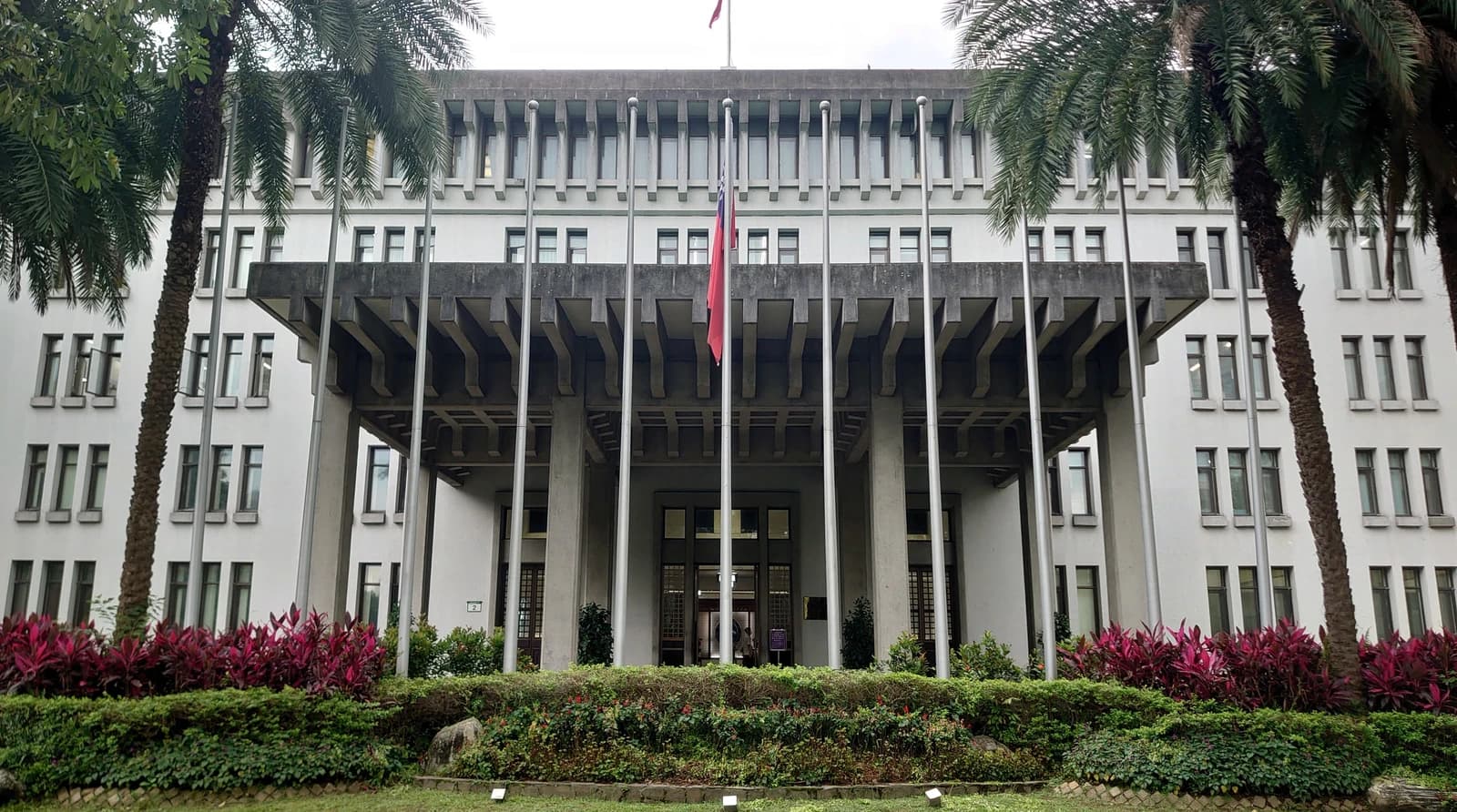
The plan is outlined in a June 2026 report and annex prepared by the EU delegation in Hanoi, which says Europe “cannot afford to ignore Vietnam” as a potential source of critical raw materials given the need to speed up rearmament and reduce dependence on individual suppliers. Officials are expected to prepare concrete agreements ahead of a planned visit to Brussels by Vietnamese leader To Lam, with meetings set for Oct. 22, according to four European and Vietnamese officials.
Vietnam is not yet among the EU’s 16 strategic raw-material supply partners, but that could change as Brussels broadens its search for alternatives to China, the world’s dominant producer of critical minerals. The timing is notable: the EU last week removed Vietnam from a list of jurisdictions that did not cooperate on tax matters, a diplomatic thaw that may ease negotiations.
For investors, the development highlights growing policy support for non-China mineral supply chains, a theme that has lifted interest in producers, processors and exchange-traded funds linked to rare earths and uranium. Shares of the VanEck Rare Earth and Strategic Metals ETF, along with the Global X China Uranium ETF, have been volatile as markets gauge how fast governments can build alternative supply.
The bigger picture is a slow but real reordering of commodity flows. Europe is trying to secure inputs before shortages hit factories and defense plants again, while Vietnam is positioning itself as a beneficiary of the West’s drive to de-risk from China. The next test is whether Brussels can turn the diplomatic opening into financing, offtake deals and processing capacity fast enough to matter.
| Entity | Gains | Losses |
|---|---|---|
| Vietnam mining sector | ▲More EU financing and demand | ▼Exposure to geopolitical scrutiny |
| EU manufacturers and defense firms | ▲Better access to critical minerals | ▼Continued reliance on fragile supply chains |
| China | ▲— | ▼Loss of leverage over mineral exports |
| Rare earth and uranium ETFs | ▲Policy-driven interest | ▼Volatility if deals stall |