China is trying to recast the battle for Africa’s critical minerals as a partnership pitch, a move that matters because the continent sits on roughly 30% of the world’s key mineral reserves and the next phase of the electric-vehicle, grid and defense buildout will be decided by who controls that supply.
China, Africa critical minerals partnership push
President Xi Jinping’s statement that African mineral resources “belong to Africa” is more than diplomatic theater. It is Beijing’s latest effort to blunt accusations that China is extracting value from the continent while leaving local economies stuck at the bottom of the industrial chain. By warning against “geopolitical rivalries” and promising more “industrial added value,” Xi is signaling that China wants to keep its grip on African mining while making that grip look development-friendly.
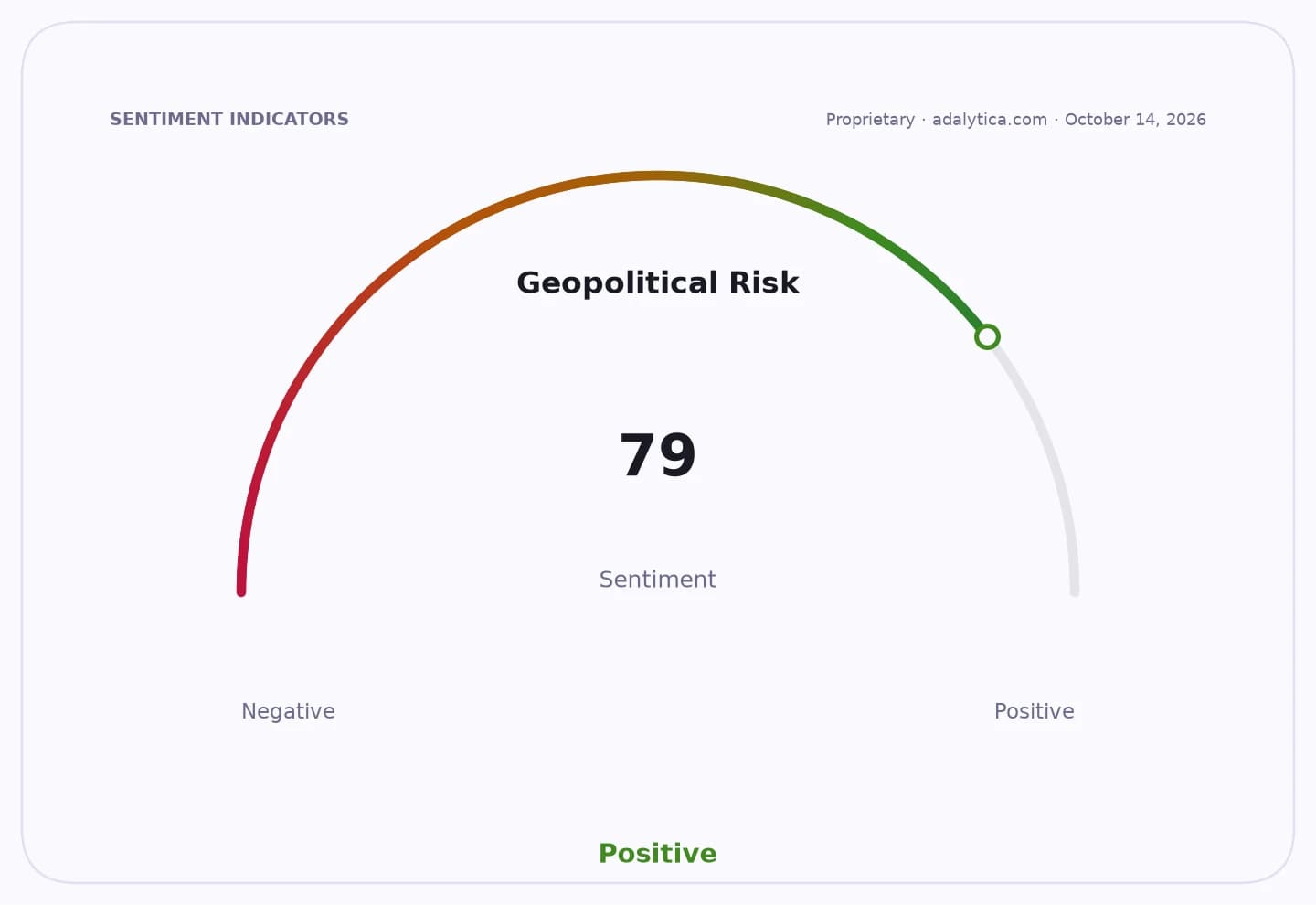
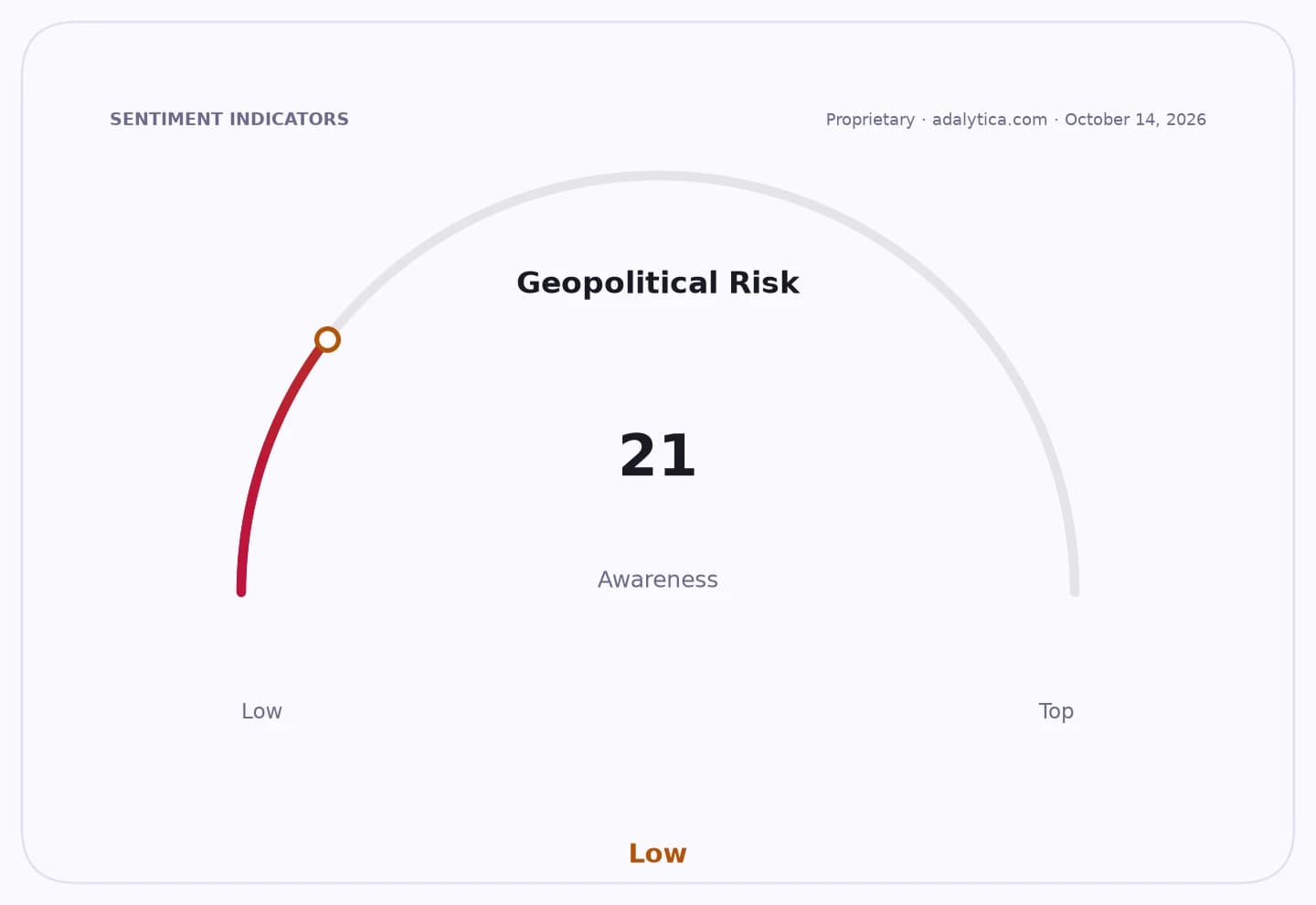
Sentiment IndicatorsⓘProprietary · adalytica.com · October 14, 2026
This is a snapshot — live sentiment, awareness and momentum for 130+ markets update continuously in the dashboard.Open AlphaPulse
That matters economically because the race for copper, cobalt, nickel, lithium and rare earths is really a race for the materials underpinning the global energy transition and advanced manufacturing. African countries hold about 30% of critical mineral reserves, according to the United Nations, and China is already the continent’s largest trading partner and a major infrastructure financier. Beijing’s zero-tariff policy for all African countries except Eswatini further underscores the strategy: lock in trade, processing and financing relationships before Western rivals can redirect supply chains.
For investors, the message is that the market is still underestimating the second-order winners from a more contested African resource map. This is not just about miners in Africa; it is about who captures the processing margin, the shipping routes, the infrastructure contracts and the downstream supply security. China’s push for “greater industrial added value” suggests more capital will flow into beneficiation, smelting and logistics, while Washington and Brussels will likely accelerate their own efforts to diversify away from China-dominated processing.
That creates an investable split. On one side are miners with African exposure, especially diversified names such as BHP and Rio Tinto, that stand to benefit from sustained demand for copper and other transition metals. On the other are companies and countries that remain overly dependent on a single processing hub or a politically fragile supply chain. Gold miners can also catch a bid when resource nationalism and geopolitical tension rise, but the bigger structural opportunity remains in copper and critical-mineral infrastructure.
The clearest narrative is that Africa is moving from a raw-materials supplier to a battleground for industrial policy. China wants to be seen as the partner helping that transition, not the power extracting the value. Whether that framing sticks will shape where capital is allocated, who gets access to reserves and which miners, processors and infrastructure providers enjoy the next secular upcycle. The smart money should be positioning for a world where African minerals become more valuable not just because they are scarce, but because control of them becomes a strategic necessity.
| Entity | Gains | Losses |
|---|---|---|
| China / Chinese miners | ▲supply access, soft power | ▼scrutiny over extraction practices |
| African governments | ▲bargaining power, downstream investment | ▼pressure from rival powers |
| BHP, Rio Tinto | ▲long-term copper and critical-mineral demand | ▼policy risk, supply competition |
| Western rivals / importers | ▲diversification urgency | ▼China’s entrenched trade position |