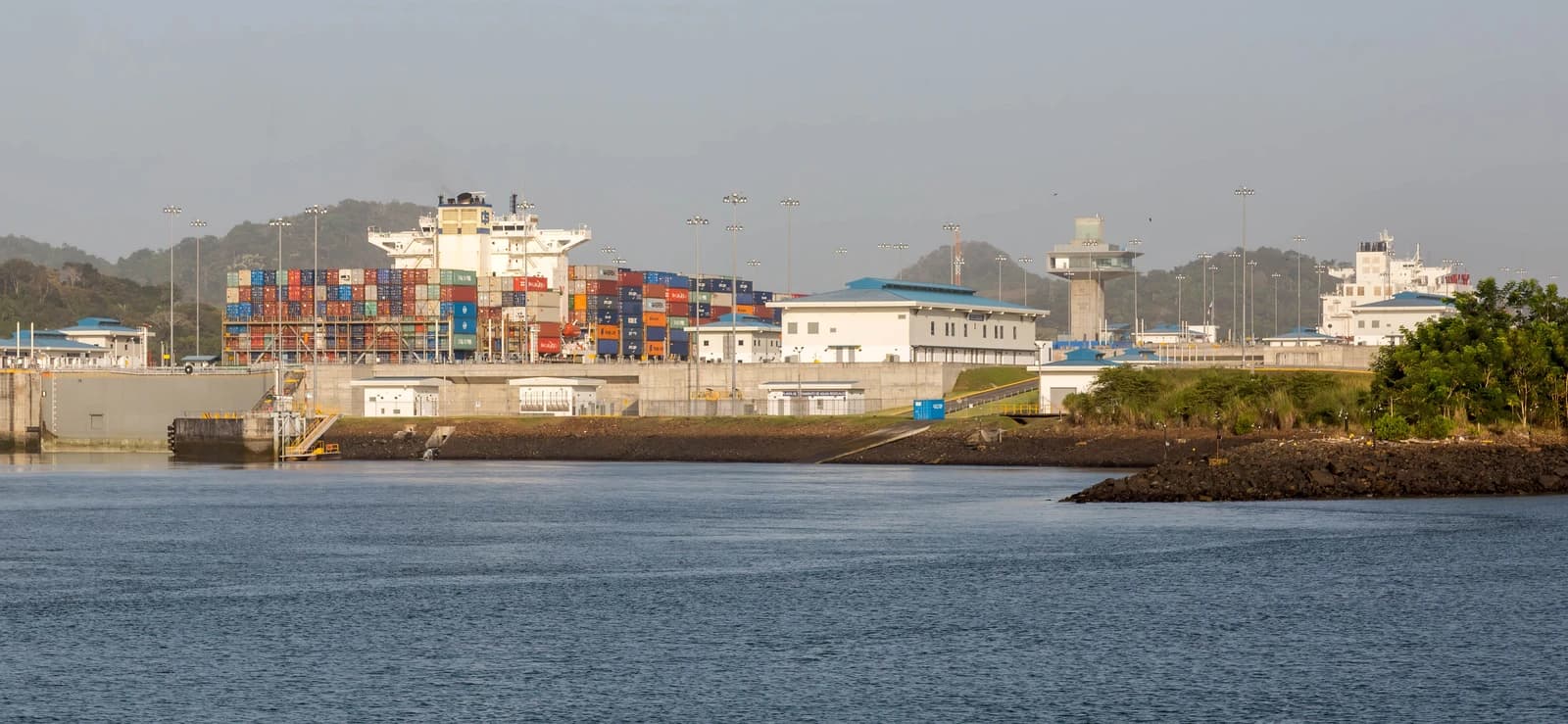
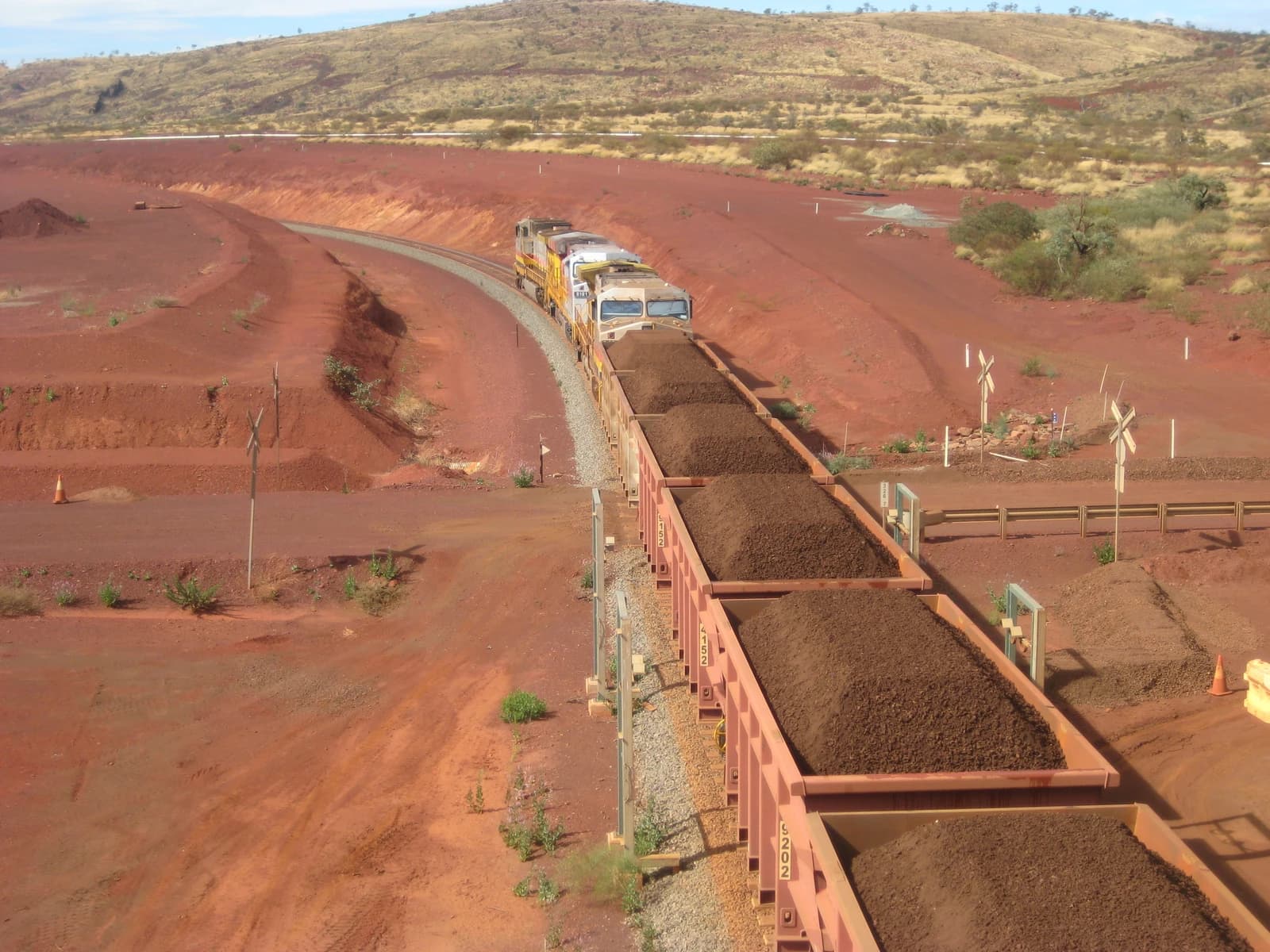
Rio Tinto is arguing that the latest surge in fuel costs is reshaping iron ore trade in a way that favours Australian miners, even as shipping data suggests the group is beginning to feel the fallout from a Chinese product ban.
Rio Tinto Says Fuel Costs Favor Australian Iron Ore
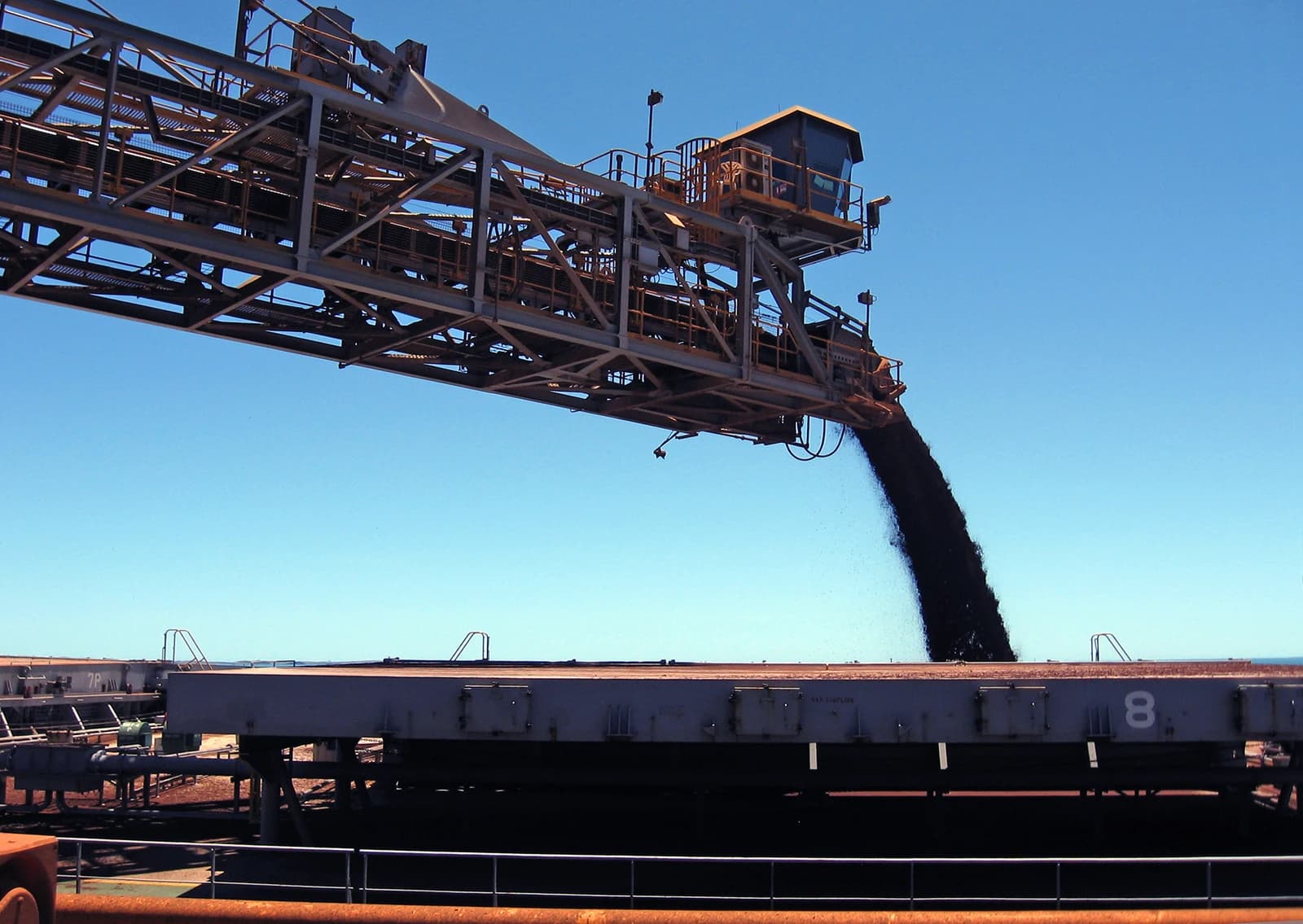
The world’s biggest iron ore exporter said higher bunker and diesel costs are squeezing producers with longer haul routes first, forcing marginal supply out of the market and improving the economics for miners closer to Asian steel mills. That matters because iron ore margins are increasingly being set not just by mine grade and production costs, but by freight and energy-intensive logistics — a shift that can reward Australian exporters over rivals in Brazil and elsewhere.
Sentiment IndicatorsⓘProprietary · adalytica.com · October 14, 2026
This is a snapshot — live sentiment, awareness and momentum for 130+ markets update continuously in the dashboard.Open AlphaPulse
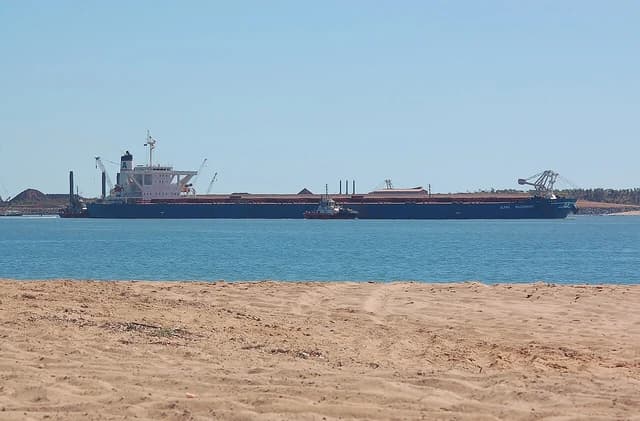
For investors, the immediate significance is that Rio Tinto is signalling a more durable cost advantage at a time when the iron ore market has been volatile and Chinese demand has softened. If oil stays elevated, longer-distance shipments from the Atlantic basin become less competitive, supporting Australia’s dominant position in seaborne iron ore and potentially cushioning benchmark prices even if Chinese steel demand remains uneven.
The comments also frame the competitive backdrop for the sector. BHP and Vale, Rio’s main large-scale peers, depend more heavily on shipping economics that can deteriorate quickly when bunker fuel rises. Rio’s assertion is that the market is already responding: miners facing longer delivery times are trimming marginal output, which should tighten supply at the margin and help low-cost Australian operations keep volumes moving.
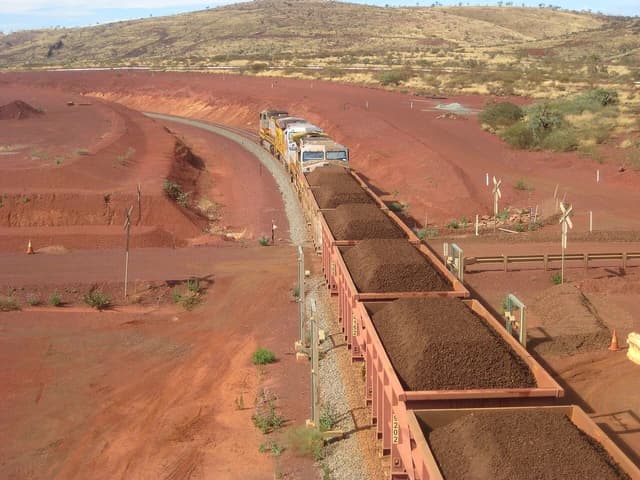
Rio’s own numbers show the scale of the franchise it is defending. It shipped 85.6 million tonnes of iron ore in the three months to Sept. 30 and said it had generated $US2 billion from divesting non-core assets, underscoring a balance-sheet and portfolio strategy aimed at concentrating on its most profitable businesses. That is important because investors tend to reward miners that can preserve free cash flow through the cycle, especially when commodity prices are under pressure from China.
Still, there are signs Rio is not insulated from Beijing’s trade actions. Shipping data indicates the miner is starting to feel the impact of a Chinese ban on one product, though the company’s broader message is that freight economics may offset some of that pressure by squeezing competitors harder than itself. The market will be watching whether that advantage is temporary, tied to a short-lived oil spike, or whether it marks a longer phase in which transport costs reshape iron ore trade flows.
Rio Tinto shares have already reflected the push and pull between firm commodity economics and softer China-linked sentiment. Conventional technical indicators show the stock recently slipping below its 50-day average and momentum cooling, suggesting investors are waiting for proof that the freight-driven tailwind is strong enough to offset trade disruption and demand uncertainty.
The near-term focus will be on whether oil remains high enough to keep marginal seaborne supply under pressure, and whether Chinese import patterns stabilize after recent disruptions. If they do, Rio and other low-cost Australian miners could preserve their pricing power; if not, the sector may find that freight is only one part of a broader fight over China’s slowing iron ore demand.
| Entity | Gains | Losses |
|---|---|---|
| Rio Tinto | ▲Freight advantage | ▼China ban pressure |
| Australian miners | ▲Lower shipping costs | ▼Atlantic rivals |
| BHP | ▲Low-cost WA supply | ▼Longer-haul freight |
| Vale | ▲Higher delivered costs | ▼Marginal production |