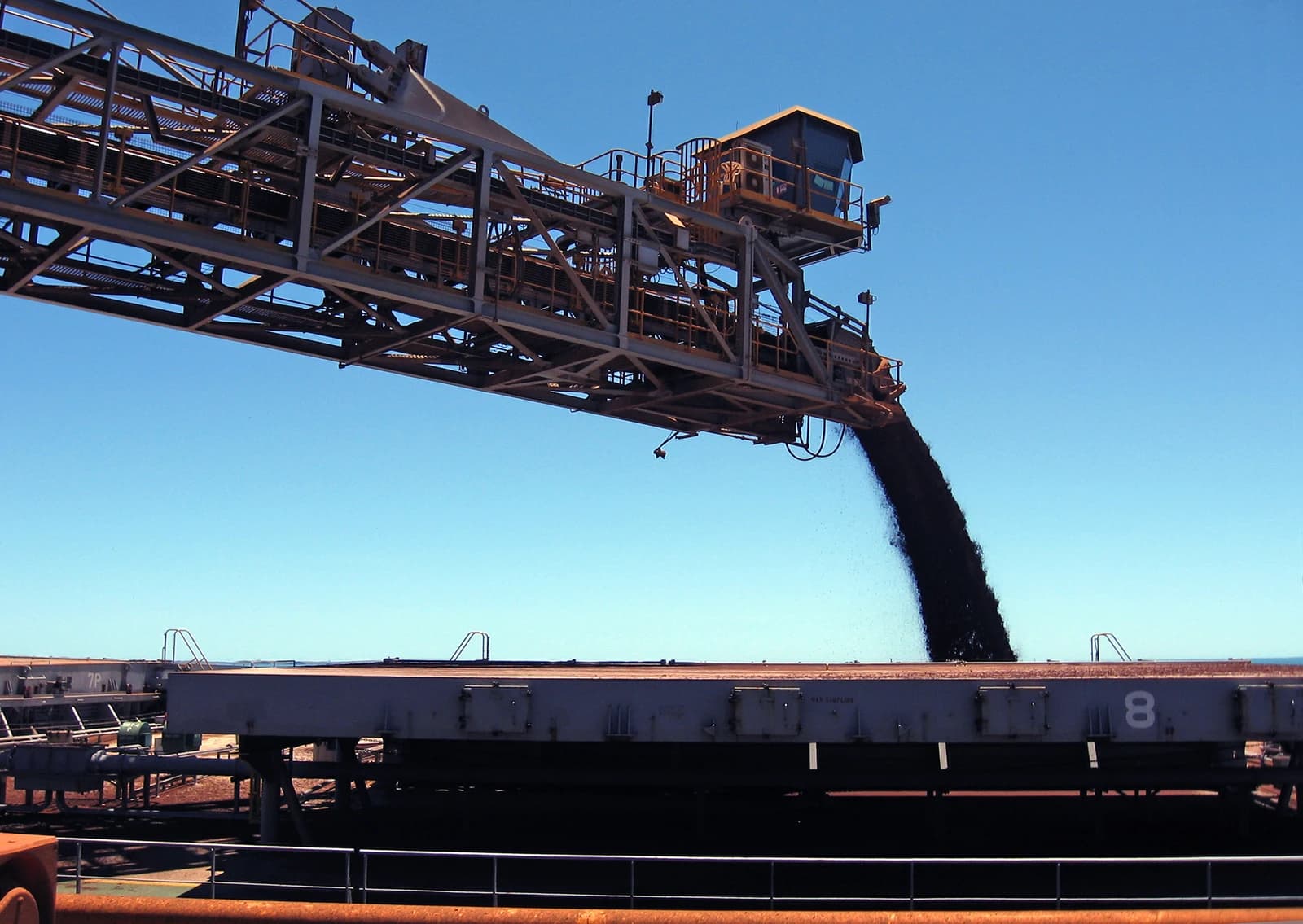
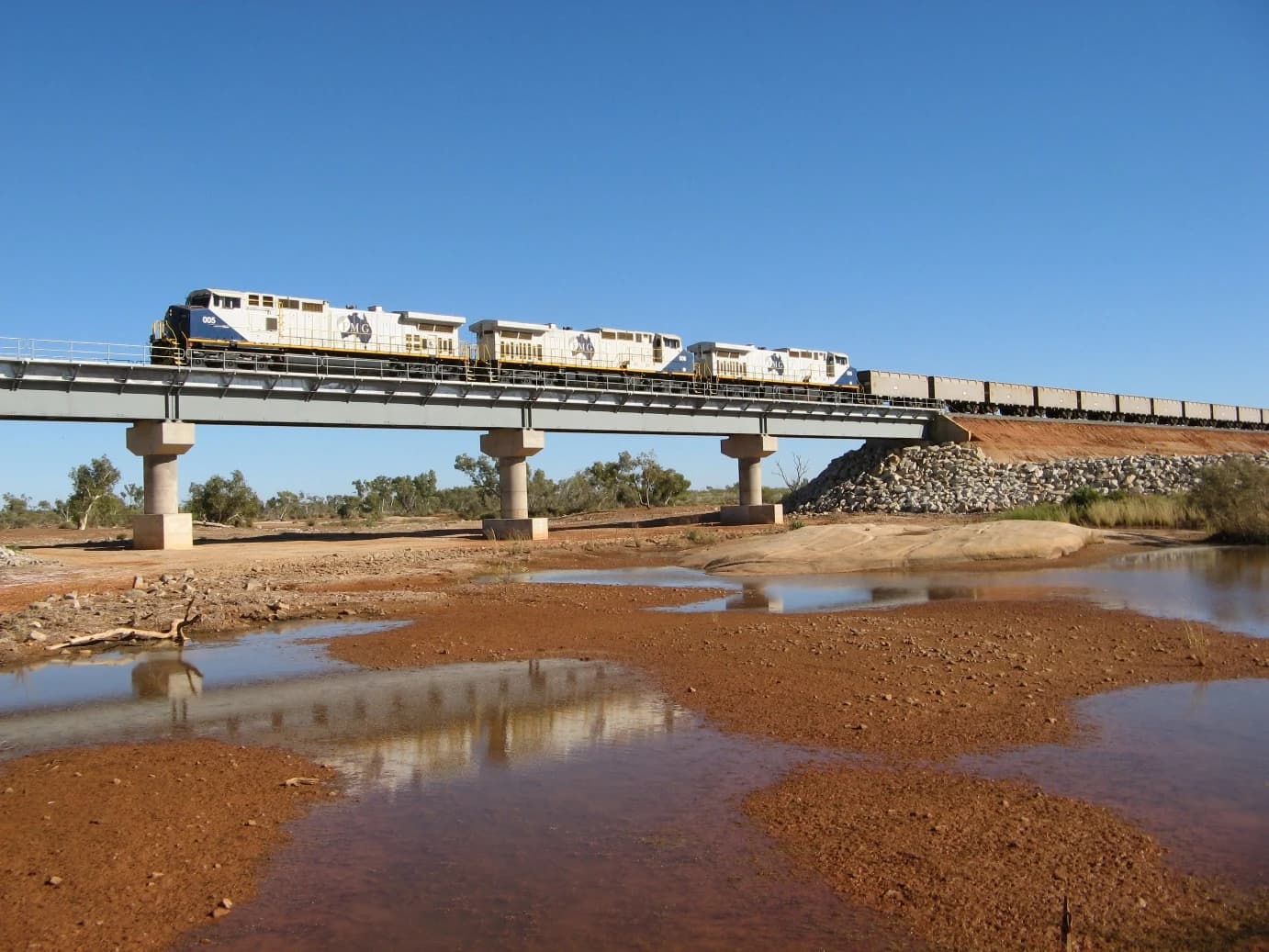
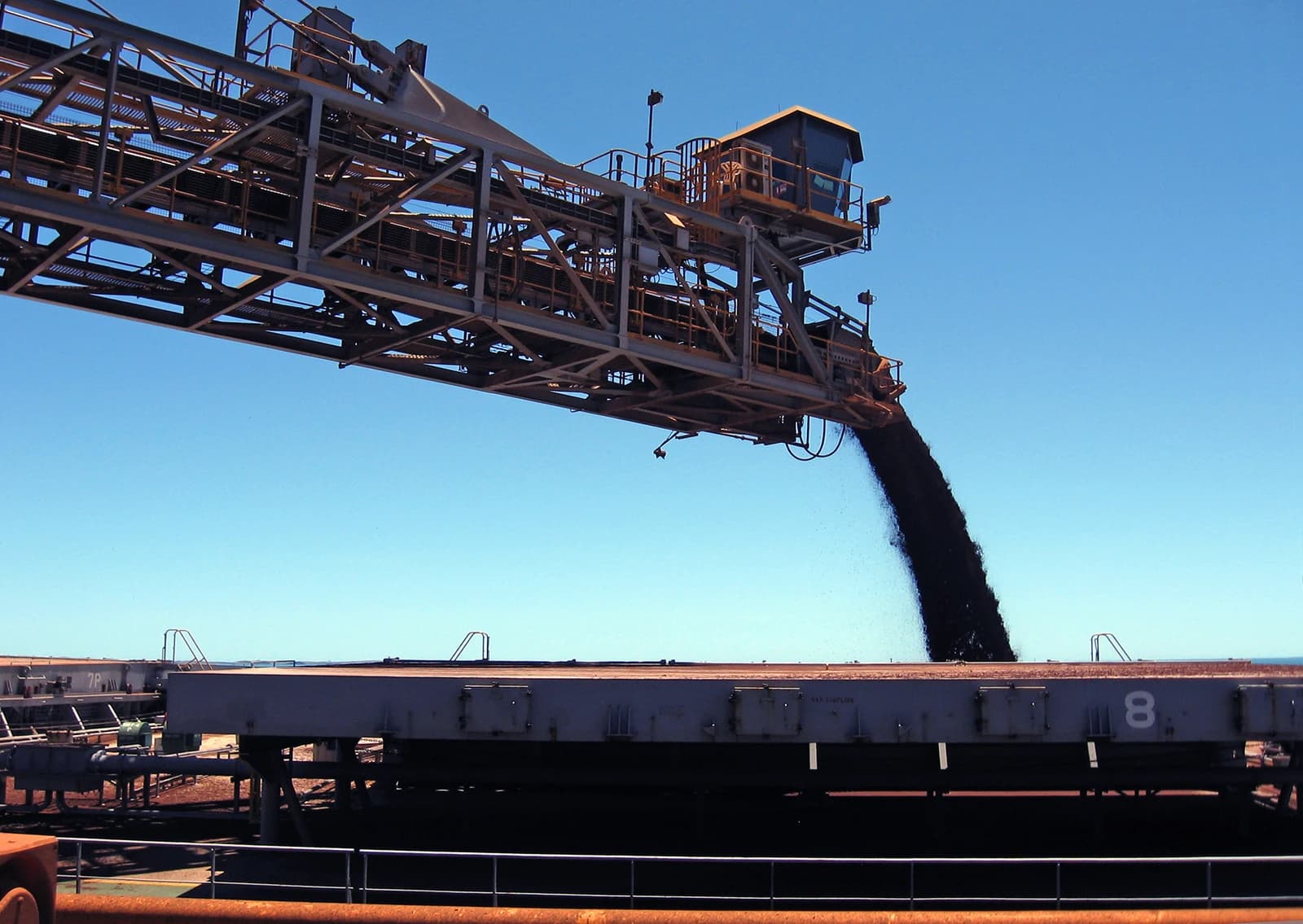
Rio Tinto says it is on track to generate about $5 billion in capital by the end of 2026 after third-quarter Pilbara iron ore sales topped estimates, underscoring how resilient cash generation from its flagship business remains even as lithium ramps more slowly and copper output is mixed.
Rio Tinto Q3 Pilbara Iron Ore Sales Beat Estimates
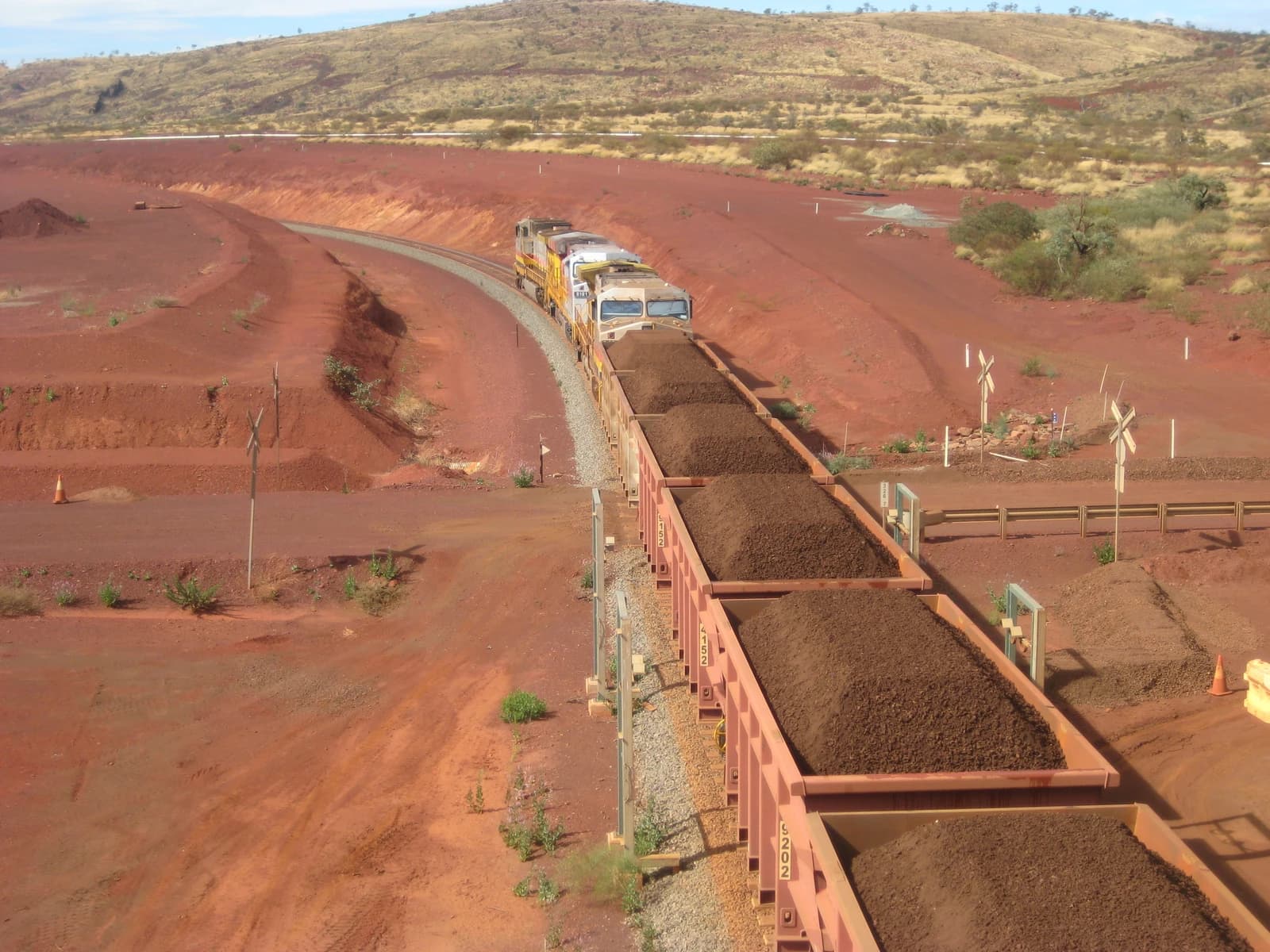
The miner sold 85.7 million metric tons of iron ore from its Pilbara operations in the three months ended Sept. 30, above Visible Alpha consensus of 84.41 million tons and up from 84.3 million tons a year earlier. Rio said it has already generated more than $2 billion this year under a $5 billion to $10 billion capital-recycling program unveiled at its 2025 capital markets day, aimed at funding higher-return growth opportunities.
Sentiment IndicatorsⓘProprietary · adalytica.com · October 14, 2026
This is a snapshot — live sentiment, awareness and momentum for 130+ markets update continuously in the dashboard.Open AlphaPulse
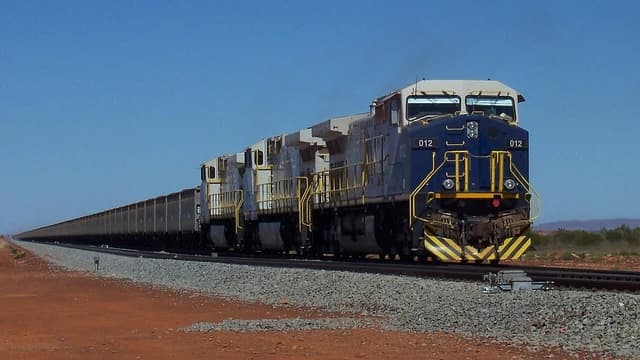
For investors, the beat matters because Pilbara iron ore still drives a large share of Rio’s earnings and free cash flow, giving the company room to fund expansion without leaning too heavily on the balance sheet. The company also reiterated 2026 Pilbara sales guidance of 323 million to 338 million tons, leaving 79.6 million tons to ship in the fourth quarter to meet the bottom of that range.
That leaves Rio dependent on a typically stronger final quarter, but the latest numbers suggest the iron ore franchise is still doing the heavy lifting. The quarterly result came despite softer conditions across parts of the commodities complex and a volatile backdrop for Chinese demand, with iron ore prices under pressure from rising supply and uneven steel-mill restocking.
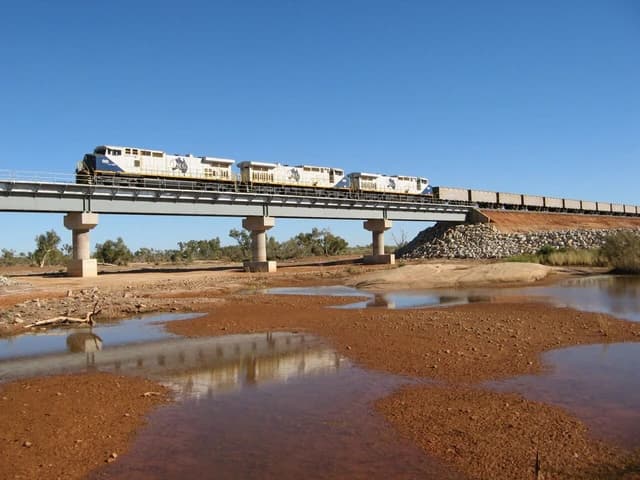
Copper production was broadly flat at 205,000 tons, as a 27% jump at Oyu Tolgoi in Mongolia offset weaker output at Escondida in Chile and lower refined copper production at Kennecott in the U.S. Rio also said full-year lithium output is now expected to land at the low end of its 61,000-to-64,000-ton forecast because of a slower-than-expected ramp at Sal de Vida in Argentina.
The company’s newer Simandou project in Guinea sold 1.7 million wet metric tons of iron ore in the first nine months, leaving about 3.3 million tons to meet the bottom of its 5 million to 10 million-ton annual target. With Rio still harvesting cash from Pilbara while trying to bring growth assets online, the next catalyst is whether fourth-quarter shipments and broader iron ore pricing can keep funding ambitions on track.
| Entity | Gains | Losses |
|---|---|---|
| Rio Tinto | ▲Higher cash generation | ▼Faster capital return pressure |
| Shareholders | ▲Stronger buyback/dividend capacity | ▼Delays from growth spending |
| Pilbara iron ore | ▲Revenue resilience | ▼Exposure to iron ore price swings |
| Lithium ramp projects | ▲Long-term growth optionality | ▼Near-term output disappointment |