China’s expanded lithium reserves in Sichuan strengthen Beijing’s hand in one of the most important strategic commodities for electric vehicles and energy storage, but the market should not mistake the news for a sudden end to supply dependence.
China Sichuan lithium reserve upgrade lifts supply
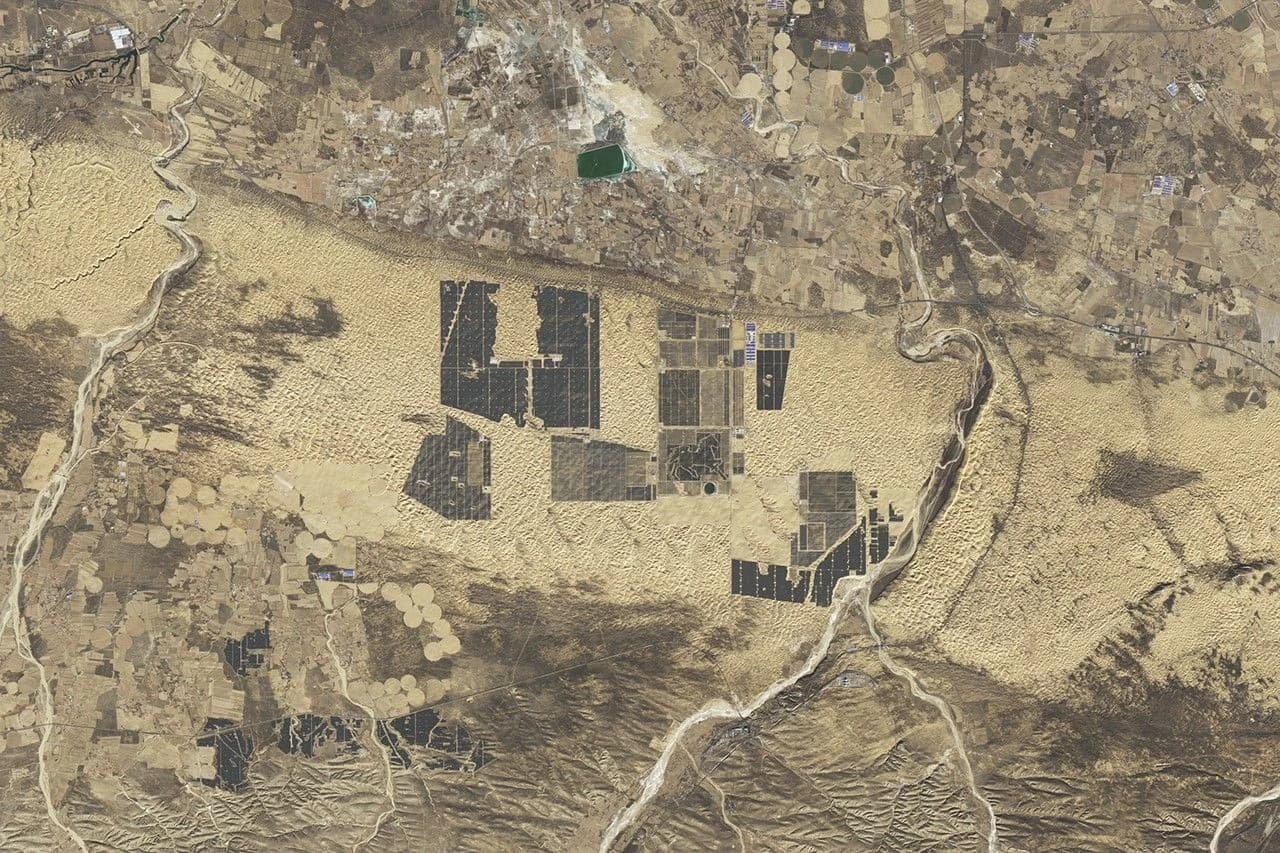
The resource upgrade at the Jiada deposit in Sichuan lifted registered lithium-equivalent resources to 2.53 million tons, up from 1.48 million tons, according to Chinese media reports, after a review and registration by the relevant ministry. The project developer, Dazhong Mining, says the site could eventually produce about 50,000 tons of lithium carbonate a year if the initial mining zone reaches full capacity, though permits are still pending.
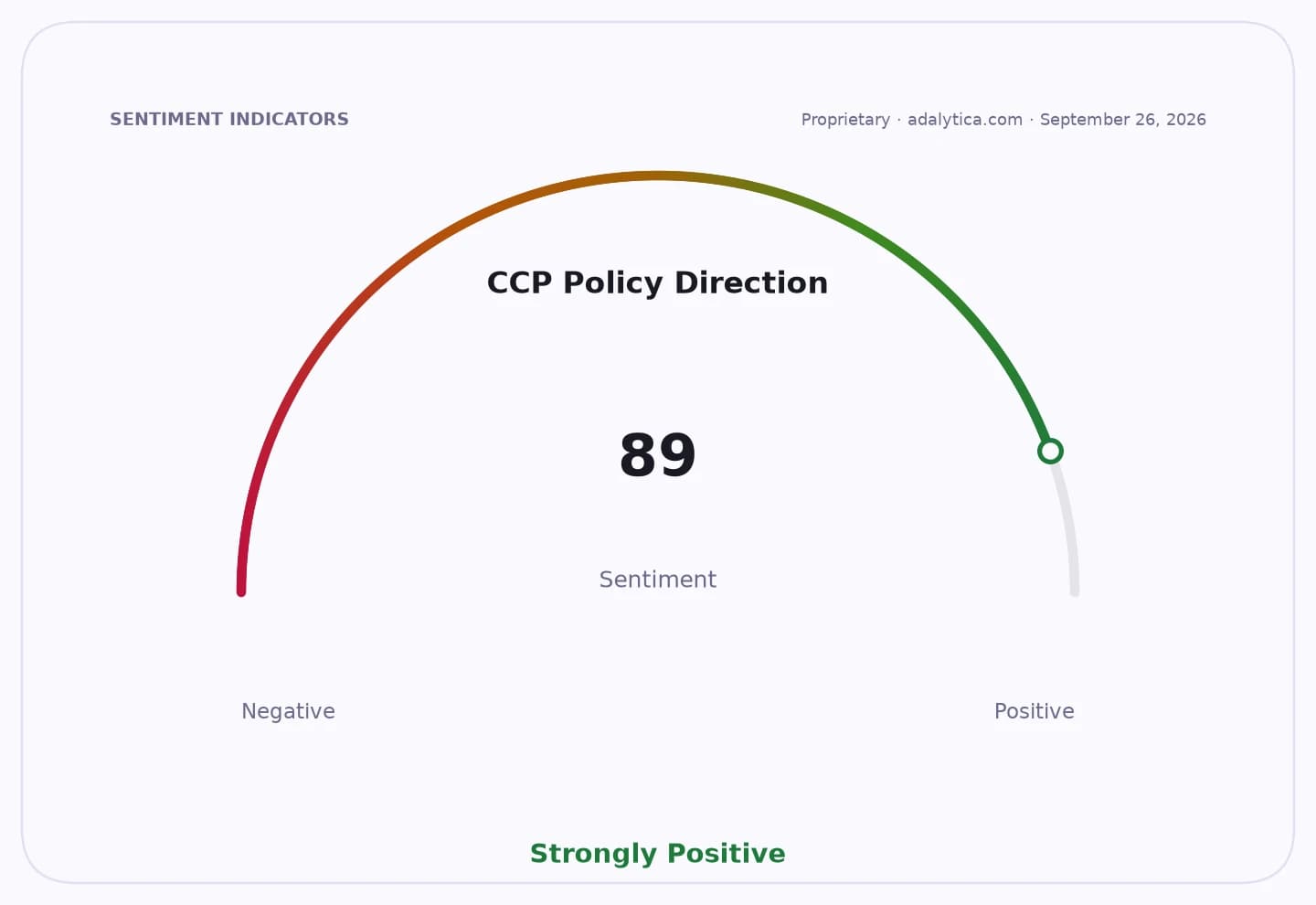
Sentiment IndicatorsⓘProprietary · adalytica.com · October 5, 2026
This is a snapshot — live sentiment, awareness and momentum for 130+ markets update continuously in the dashboard.Open AlphaPulse
That matters because lithium remains the choke point in the battery supply chain. China may be the center of global battery manufacturing, but it still imported about 60% of its lithium resources in 2025, with Australia, Zimbabwe and Brazil supplying raw materials and Chile and Argentina dominating imported lithium carbonate. In other words, Beijing is trying to de-risk a sector that remains heavily exposed to overseas mines, shipping lanes and geopolitics.
The bigger narrative is not just about one mine in Sichuan. It is about China’s push since 2021 to expand domestic exploration of energy and strategic minerals, part of a broader industrial policy aimed at securing inputs for the electric-vehicle, grid-storage and clean-energy buildout. The Jiada deposit sits inside what Chinese geologists call the “Asian lithium belt,” a hard-rock corridor that Beijing now wants to convert from geological promise into industrial leverage.
For investors, the implication is a more intense global battle for pricing power and project economics. More Chinese supply could eventually add weight to lithium prices, especially if the new resource estimate feeds a faster buildout than the market expects. That would pressure high-cost producers and lengthen the oversupply narrative that has already punished the sector at times over the past two years. But it also reinforces the investment case for the best-positioned operators: low-cost producers, integrated refiners, and battery-material names with scale, balance-sheet strength and downstream customer relationships.
The listed names already show how sensitive the market is to this cycle. Global lithium producer Albemarle and Chile’s SQM remain well below their peaks even after recent rebounds, while the Global X Lithium & Battery Tech ETF has also struggled to regain its earlier momentum. That tells me the market is still pricing lithium as a cyclical commodity trade, not fully as a strategic infrastructure input tied to electrification and grid storage.
I believe that is too narrow. The real opportunity is to own the companies and funds that benefit from the long-run growth in battery demand while surviving the inevitable supply shocks and policy swings. China’s Sichuan reserve upgrade is another reminder that lithium is becoming less about scarcity headlines and more about industrial control, permitting speed and capital discipline. The winners are the operators that can produce efficiently through the cycle; the losers are the marginal miners and traders still hoping for a simple rebound.
For long-term investors, this is an inflection point, not a one-day story. Beijing is making sure it has more optionality, and that should keep lithium, battery materials and the wider energy-storage supply chain in the center of the next capex wave. The right way to play it is selective: prefer scale, low costs and downstream exposure over pure commodity beta.
| Entity | Gains | Losses |
|---|---|---|
| China / Beijing | ▲Greater supply security | ▼Import dependence |
| Dazhong Mining | ▲Higher project value | ▼Permitting delays |
| Albemarle / SQM | ▲Long-term demand support | ▼Price pressure from new supply |
| Lithium buyers / battery makers | ▲Better supply optionality | ▼Less pricing leverage for producers |