China’s coal-heavy Shanxi province is accelerating a shift that could reshape how the country mines, burns and replaces fossil fuel, as it automates coal production while pushing renewables to the center of new power supply.
Shanxi coal mines automate as renewables expand
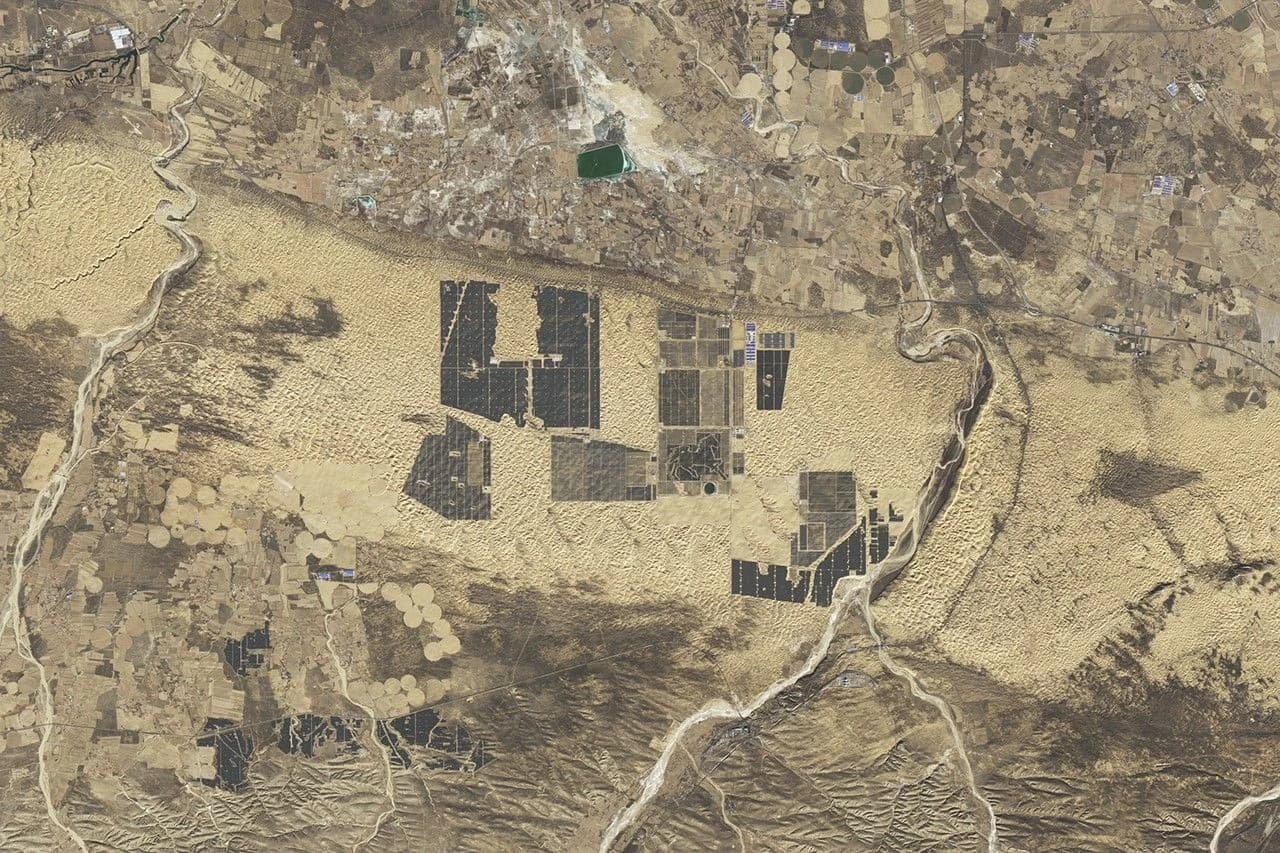
That matters economically because Shanxi is still one of China’s key coal bases and a national energy hub, so changes there ripple through electricity security, industrial fuel costs and the pace of the country’s broader energy transition. The province is trying to keep coal output stable even as it cuts labor intensity, improves safety and raises productivity.
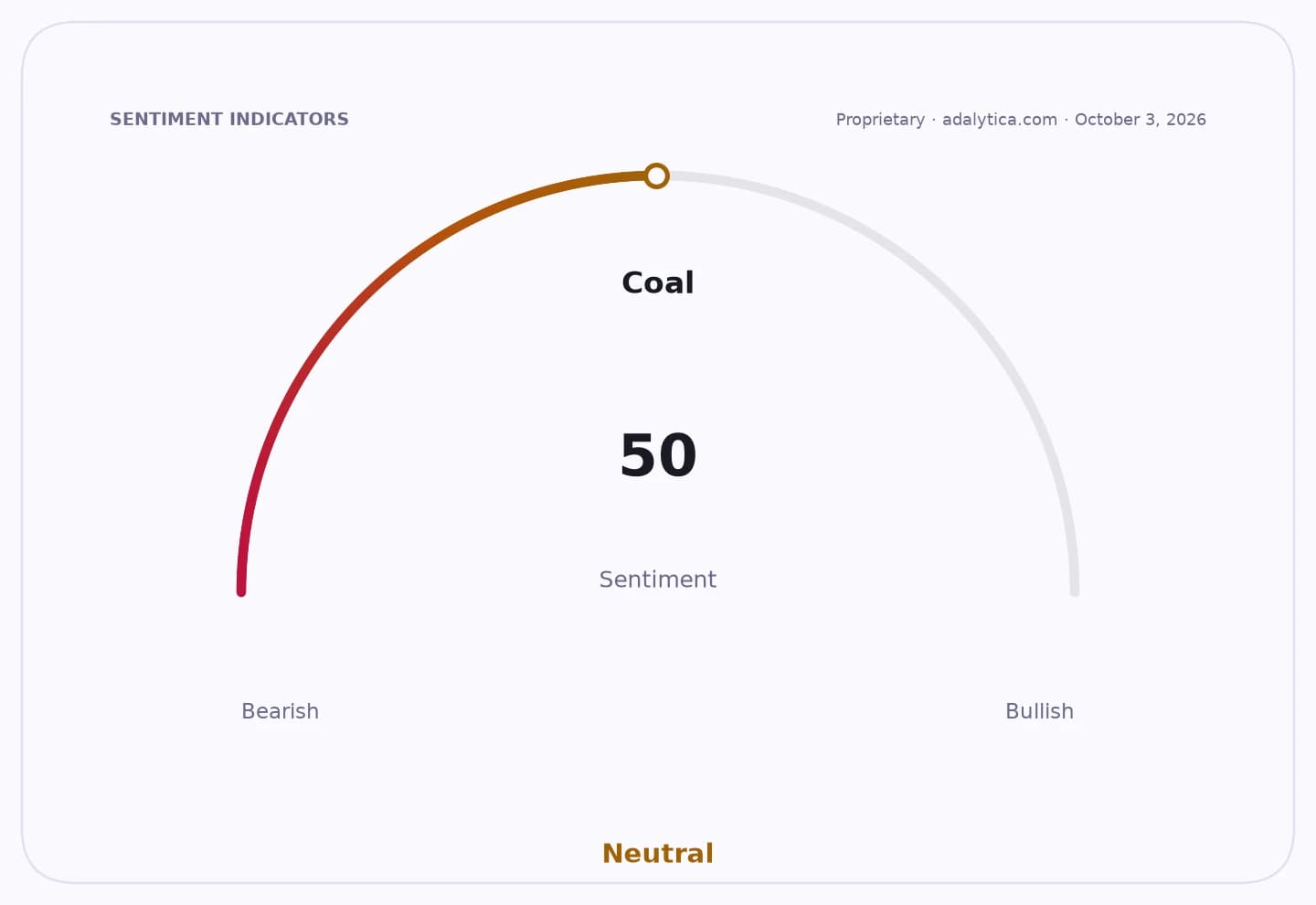
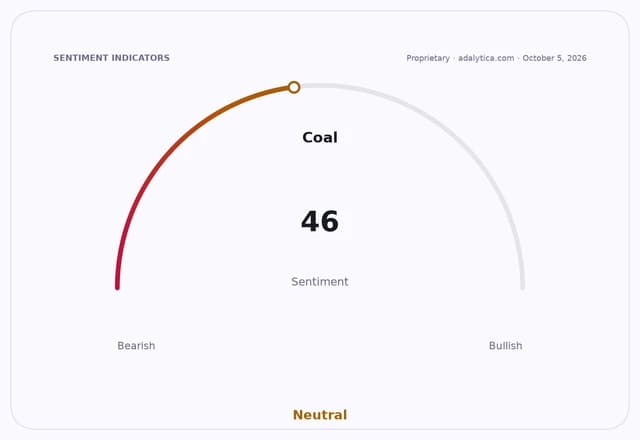
Sentiment IndicatorsⓘProprietary · adalytica.com · October 5, 2026
This is a snapshot — live sentiment, awareness and momentum for 130+ markets update continuously in the dashboard.Open AlphaPulse
At Hua Yang No. 1 mine, one of China’s early smart-coal demonstrations, 5G-linked automated equipment has reduced the number of underground workers on one shift from 24 to 16, while output per shift has risen to 5,000-6,000 tons from 3,000-4,000 tons, according to the report. The mine’s annual capacity is 8.5 million tons, underscoring how China is using digital tools to make coal less dangerous and more efficient rather than simply shutting it down.
The scale of that push is large. By the end of November 2025, Shanxi had 369 smart coal mines, more than one-third of the national total, plus 75 green-mining demonstration sites. Beijing wants almost all coal mines nationwide to be smart by 2035, according to the National Development and Reform Commission.
Shanxi is also changing the generation mix behind its heavy industry. At Shanxi Jinnan Steel Group, green power now accounts for 15% of energy use after 550 megawatts of photovoltaic projects that generate more than 1 billion kilowatt-hours a year, and the company plans to lift that share to 50% by 2029.
The broader province-wide numbers show why investors are watching the shift closely. Wind and solar installed capacity in Shanxi topped 80 million kilowatts by the end of June, and renewables supplied one kilowatt-hour in every four generated in the province, up from about one in seven in 2020. New and clean energy made up 54.55% of total installed capacity by the end of September last year, a symbolic break from a power system long dominated by fossil fuels.
For investors, the message is twofold: coal-linked assets in Shanxi are becoming more efficient and safer, while clean-power developers, grid operators and industrial users with direct green-power access are getting a larger addressable market. The transition also supports demand for automation, 5G industrial infrastructure, solar and wind equipment, and power systems that can balance a more diversified supply mix.
The near-term test is execution: whether Shanxi can keep coal supply reliable while expanding clean power fast enough to lower carbon intensity without straining industrial output. The next catalysts are further mine automation rollouts, provincial renewable buildout and policy signals from Beijing on the 2035 smart-mining target.
| Entity | Gains | Losses |
|---|---|---|
| Shanxi coal producers | ▲Higher output efficiency | ▼More automation costs |
| Renewable developers | ▲Larger provincial demand | ▼Coal incumbents |
| Industrial power users | ▲Lower carbon intensity | ▼Dependence on legacy fuel mix |
| Coal workers | ▲Safer conditions | ▼Fewer underground jobs |