Standard Lithium’s South West Arkansas project is running into a familiar problem in the lithium sector: commercial demand is lining up faster than project finance. The company and its Equinor-backed joint venture have now secured potential customer commitments for 20,000 tonnes a year of battery-grade lithium carbonate, above the project’s original 18,000-tonne target, but the next phase still hinges on a binding debt package.
Standard Lithium gains offtake as debt package waits

That matters because debt financing is the gatekeeper for moving from paper to ground-breaking. Offtake agreements with Trafigura and LG Energy Solution improve the project’s bankability and show that buyers are willing to underwrite future output, yet they do not solve the capital structure. Without project loans on acceptable terms, South West Arkansas cannot advance to final construction, leaving one of the sector’s more closely watched North American lithium developments stuck in financing limbo.
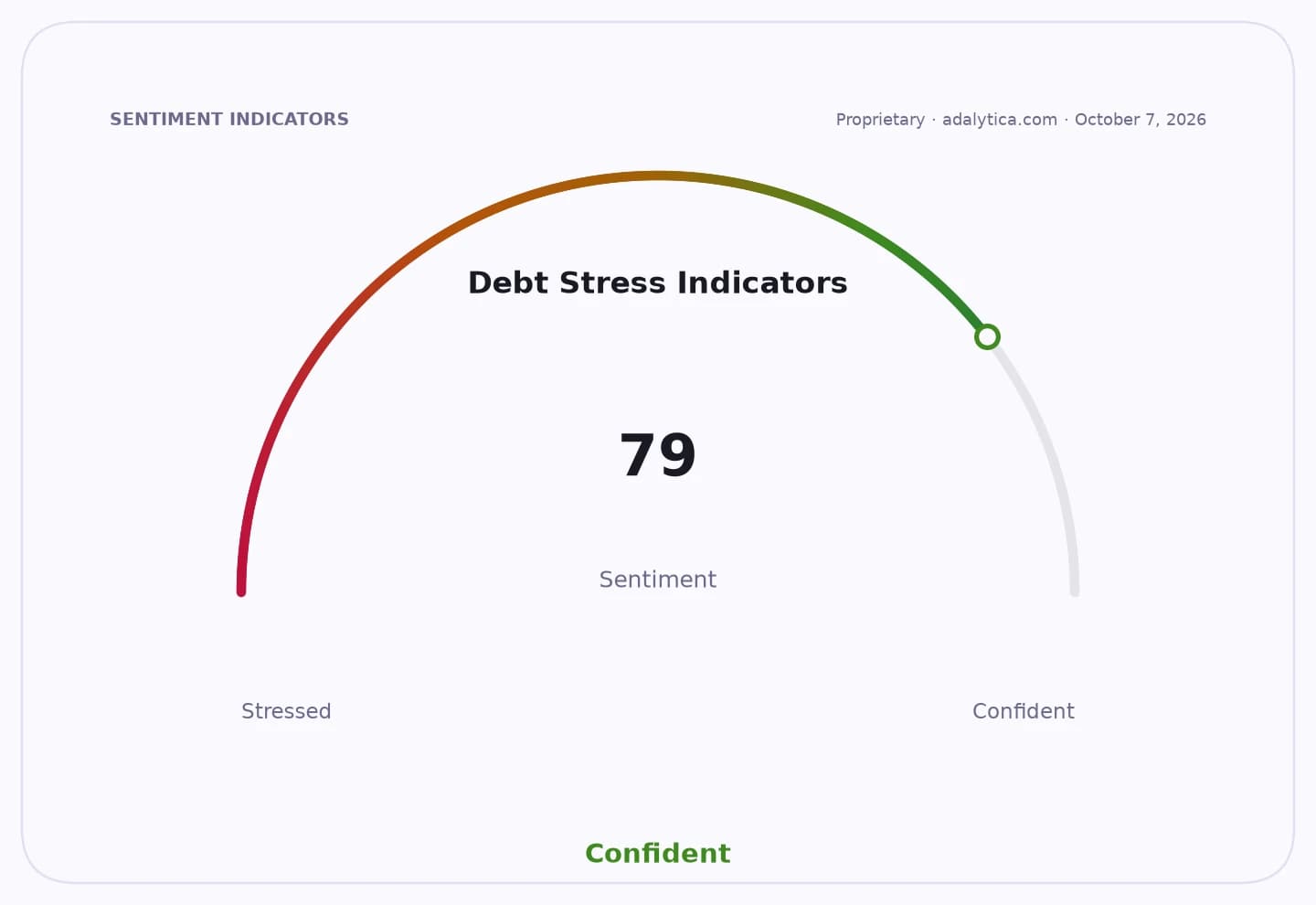
Sentiment IndicatorsⓘProprietary · adalytica.com · October 4, 2026
This is a snapshot — live sentiment, awareness and momentum for 130+ markets update continuously in the dashboard.Open AlphaPulse
The market is already treating that risk as central. Standard Lithium shares fell 3.4% on Friday to 1.54 euros, extending a weak patch that has left the stock vulnerable even as the project’s commercial side has improved. The latest slide came without a fresh company-specific trigger, but it underscored how investors are discounting execution risk rather than just resource potential.
The company said after adjusting its Trafigura agreement that it would focus fully on finalizing project debt for the Arkansas asset. Trafigura can now take up to 12,000 tonnes a year, including an additional 4,000 tonnes, while LG Energy Solution has agreed to 8,000 tonnes. On paper, that lifts contracted demand above the project’s planned output, a helpful signal for lenders assessing whether the asset can generate enough cash flow to service debt.
Equinor’s presence in the joint venture is also a support point. Its industrial backing and balance-sheet strength help differentiate the project from earlier-stage lithium developers that must raise money without major strategic partners. But in a market where financing has become more selective, even strong offtake and a blue-chip partner may not be enough to secure debt on attractive terms, especially if lenders demand tighter covenants, more collateral or higher pricing.
That tension is what makes the financing step so important for investors. A prompt debt agreement would validate the project, reduce the perceived execution discount and likely support a recovery in the shares. A delay would do the opposite: it would push back timelines, raise the chance of further restructuring and reinforce concerns that lithium developers still need a more favourable funding environment before capital-intensive projects can move ahead.
The stock’s technical setup also reflects that fragility. Standard Lithium is trading well below its 50-day and 200-day moving averages, and its relative strength index remains in oversold territory, a sign that momentum has not yet turned. Those indicators do not change the fundamentals, but they do show that the market wants proof — not just promises — that financing can close.
For now, the story is less about lithium demand than about capital discipline. Standard Lithium has done a large part of the commercial work by securing buyers for more output than the project originally targeted. The next catalyst, and the one that will determine whether the stock can re-rate, is whether lenders are willing to turn that demand into a bankable debt structure.
| Entity | Gains | Losses |
|---|---|---|
| Standard Lithium / Smackover JV | ▲Stronger bankability | ▼Financing overhang |
| Trafigura | ▲More supply access | ▼Counterparty execution risk |
| LG Energy Solution | ▲Secured battery materials | ▼Delay risk on project supply |
| Equity holders | ▲Upside if debt closes | ▼Dilution/valuation risk if stalled |