Debt relief can cut a household’s balance, but it is not a shortcut out of financial pain: the trade-off is usually lower debt in exchange for fees, missed payments and lasting damage to a borrower’s credit.
Debt Relief Industry Puts Pressure on Card Issuers
For investors, that matters because the debt-relief industry sits right at the intersection of consumer stress and lender recovery. When households can no longer keep up with minimum payments, unsecured creditors often face a familiar choice: accept a discounted lump sum through a settlement program, or risk getting less later as accounts age and collection efforts drag on. In other words, debt relief is less about eliminating debt than reallocating losses between borrowers, service providers and creditors.
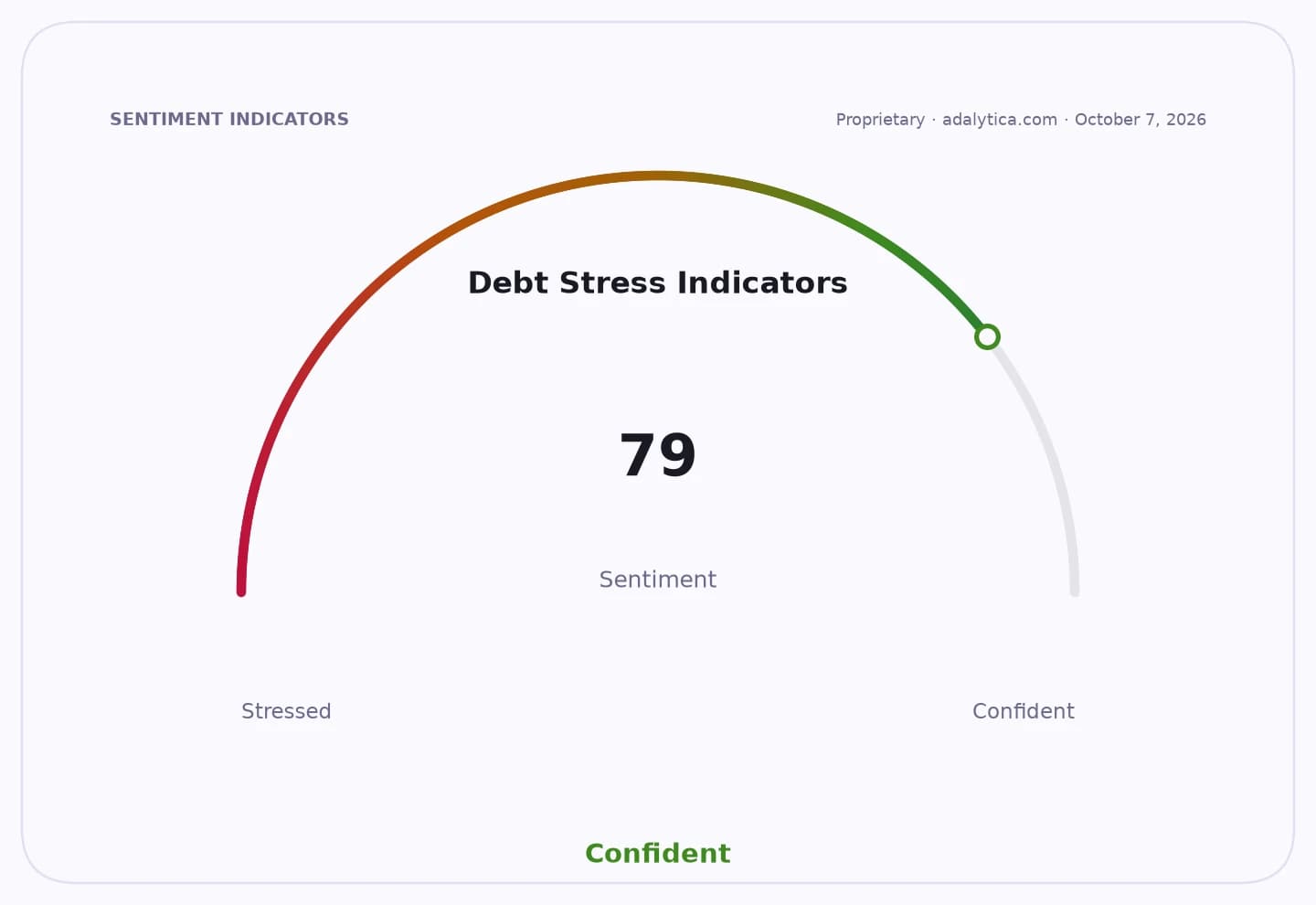
Sentiment IndicatorsⓘProprietary · adalytica.com · October 7, 2026
This is a snapshot — live sentiment, awareness and momentum for 130+ markets update continuously in the dashboard.Open AlphaPulse
The basic model is straightforward. A debt-relief company typically asks a customer to stop paying eligible unsecured debts and instead make monthly deposits into a dedicated account. Once enough cash builds up, the firm negotiates with creditors to settle for less than the full balance. On a $10,000 debt, a creditor might agree to take $6,000. But the borrower does not keep the full $4,000 difference. If the debt-relief firm charges a 20% fee on the enrolled balance, the total cost rises to $8,000.
That fee structure is part of the story. Under federal rules, companies covered by the Telemarketing Sales Rule cannot charge upfront. They must disclose the cost before enrollment and can collect only after a debt has actually been settled or otherwise resolved, the consumer approves the deal and at least one payment is made to the creditor. That protects borrowers from some abuse, but it does not make the process cheap.
Credit Card Usage — 30-day sentimentadalytica.com
Explore this data interactively — full history, time series and cross-market comparisons.Open AlphaPulse
The bigger risk is that debt relief is uncertain. Creditors are under no obligation to negotiate, and they can simply refuse to settle. If that happens, the borrower may have spent months making no payments while interest, late fees and collections continue to mount. The damage can snowball. That is why debt relief is generally best viewed as a last resort, not a first move.
The credit hit is often severe even when the program succeeds. Missed payments show up on credit reports, and a settled account is not the same as an account paid in full. Those negative marks can linger for years, which means the apparent win on the balance sheet can become a long recovery on the credit score. For households trying to rebuild, that can affect borrowing costs, apartment approvals and even job applications.
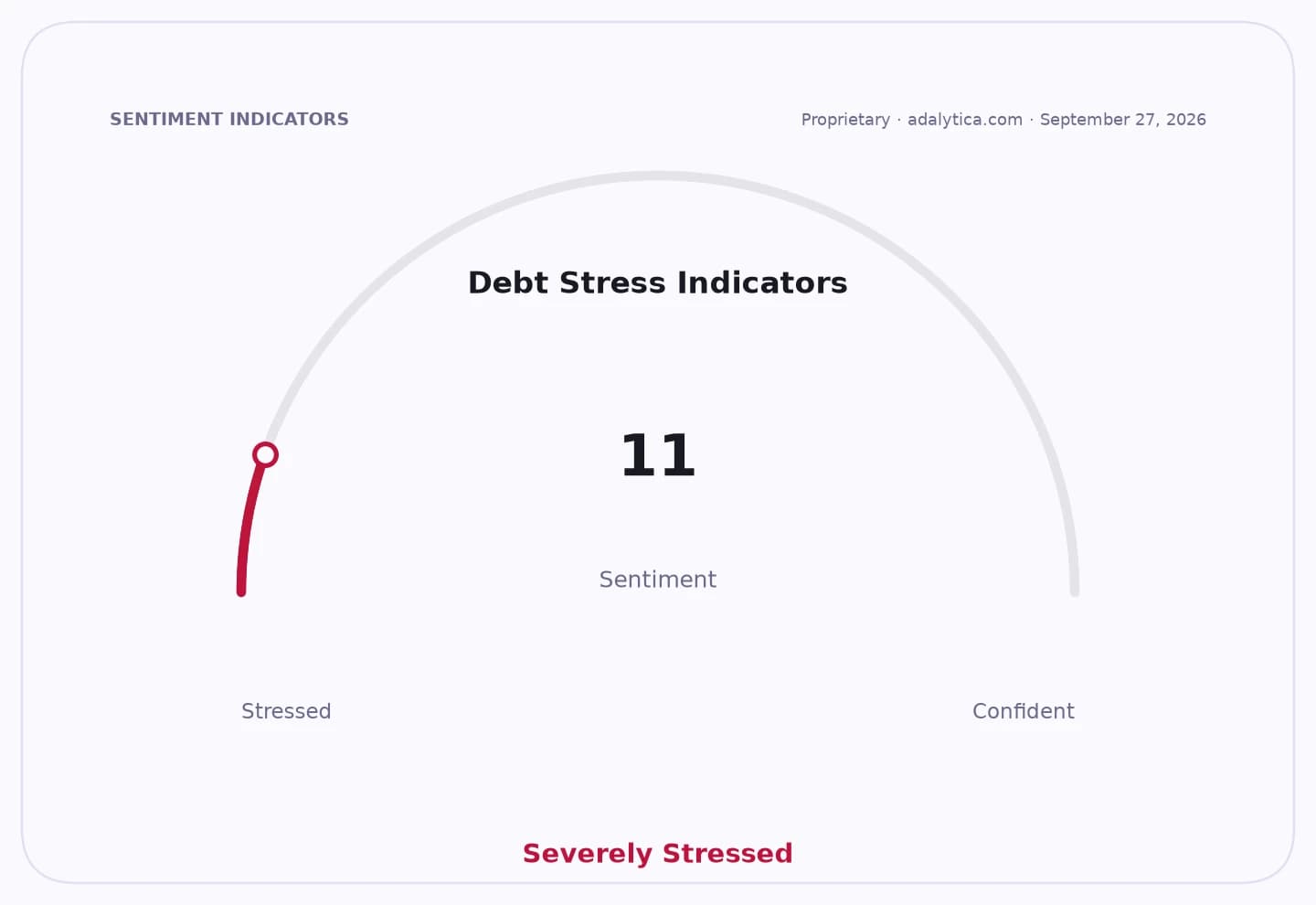
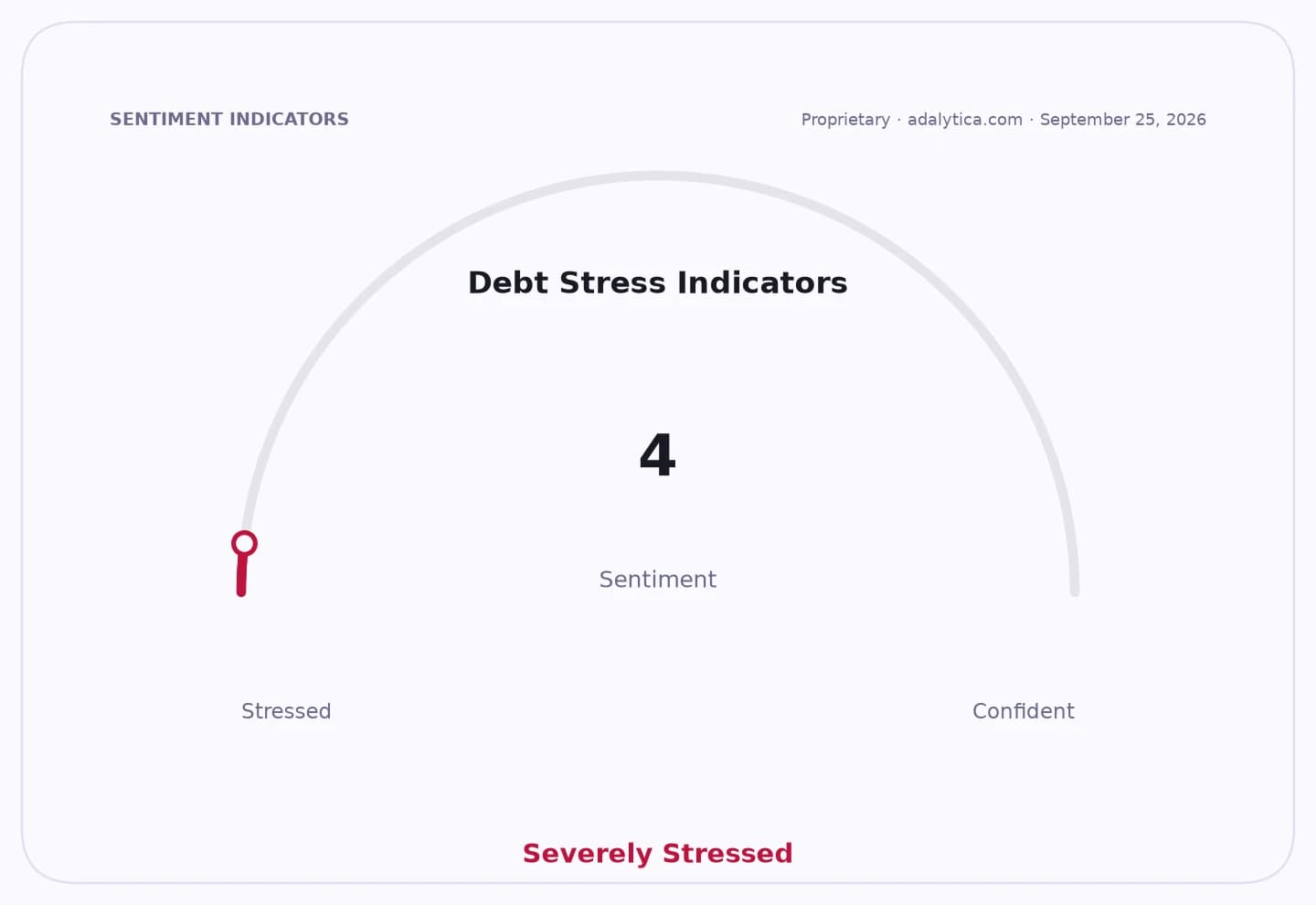
The industry backdrop helps explain why this matters now. Adalytica’s Credit Card Usage Sentiment gauge is flashing “Greed” at 75, while its Household Debt Stress Sentiment stands at 79, also marked “Greed,” even as awareness remains extremely low. That combination suggests consumers are still leaning on credit even while stress levels stay elevated — a mix that tends to feed demand for debt-relief services when household budgets finally break.
For lenders, the risk is obvious. If a borrower enters a settlement program, the creditor may recover less than the full balance. That is particularly relevant for issuers and unsecured lenders such as American Express and Capital One, whose businesses depend on consumer spending and repayment discipline. American Express has been under pressure too, with its shares recently trading below both the 50-day and 200-day moving averages, while Capital One has also lost momentum after a strong earlier run. In both cases, a weaker consumer backdrop can mean more delinquency risk, more charge-offs and more pressure on earnings quality.
Still, debt relief is not universally bad. If a borrower is already deeply behind, cannot realistically pay full balances and has little credit left to protect, settlement can offer a reset. It can also stop the constant collection calls and create a path to rebuild. But readers should understand the cost: debt relief is not free money, and it is not a guarantee.
That is the key lesson for investors and consumers alike. In a high-stress credit environment, debt relief works only when there is enough cash flow to fund settlements and enough creditor cooperation to close the deals. If either piece is missing, the borrower may end up worse off than before. For households under pressure, the smartest approach is often to compare debt relief with cheaper alternatives, including debt consolidation, nonprofit debt-management plans or, in severe cases, bankruptcy. For investors, the takeaway is to watch consumer credit quality closely: when debt stress rises, settlement firms may benefit, but lenders and card issuers usually bear the cost.
| Entity | Gains | Losses |
|---|---|---|
| Debt-relief companies | ▲Fee income | ▼Collection uncertainty |
| Strained borrowers | ▲Chance to reset balances | ▼Credit score damage |
| Credit card issuers | ▲Partial recovery if settled | ▼Charge-offs and lower recoveries |
| Patient long-term investors | ▲Better visibility on credit risk | ▼Short-term noise and volatility |