A weekend credit card splurge can now linger for years, and that is exactly why higher borrowing costs are becoming a bigger problem for households and for the lenders that depend on consumer spending. With two-year Treasury yields around 4.8% and the 10-year near 5.3%, the financing backdrop remains restrictive enough to keep card interest rates painfully high, turning what looks like small everyday overspending into a long-lived drag on cash flow.
Credit card debt costs rise as rates stay high

That matters because credit card debt is no longer just a personal budgeting issue; it is an economic one. When consumers carry balances for longer, more of each payment goes to interest instead of reducing principal, which slows down deleveraging and keeps household budgets tight. The result is less room for discretionary spending elsewhere, and that can feed back into retail sales, travel, and services demand over time.
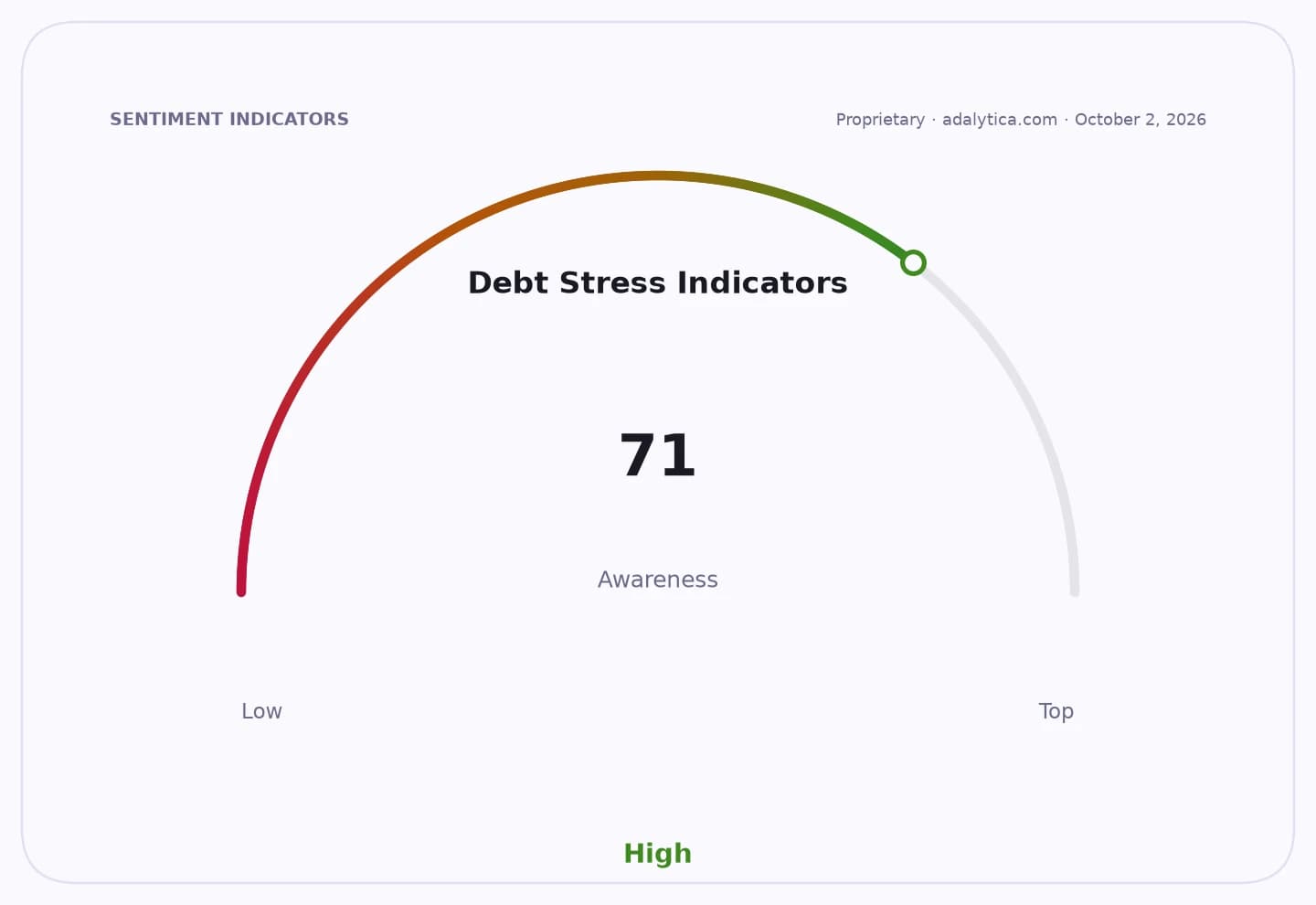
Sentiment IndicatorsⓘProprietary · adalytica.com · October 5, 2026
This is a snapshot — live sentiment, awareness and momentum for 130+ markets update continuously in the dashboard.Open AlphaPulse
The warning signs are showing up in financial markets too. American Express, Capital One and other card lenders have seen their shares move sharply as investors weigh resilient loan growth against the risk that higher rates and stressed consumers eventually bite into credit quality. Capital One has been especially volatile, with the stock down to about $194.72 from a January high above $254, while American Express is trading around $302.78, well below its recent levels. Those moves reflect a market asking a simple question: can card issuers keep growing balances without taking on too much bad debt?
For long-term investors, the answer depends on discipline. Lenders can benefit from healthy spending and strong interest income, but they are exposed when borrowers stretch too far. That is why the current environment favors the best-run credit names with strong underwriting, diversified earnings, and the scale to absorb losses. It also favors consumers who attack balances aggressively, ideally by paying more than the minimum and using lower-rate balance-transfer offers when they qualify.
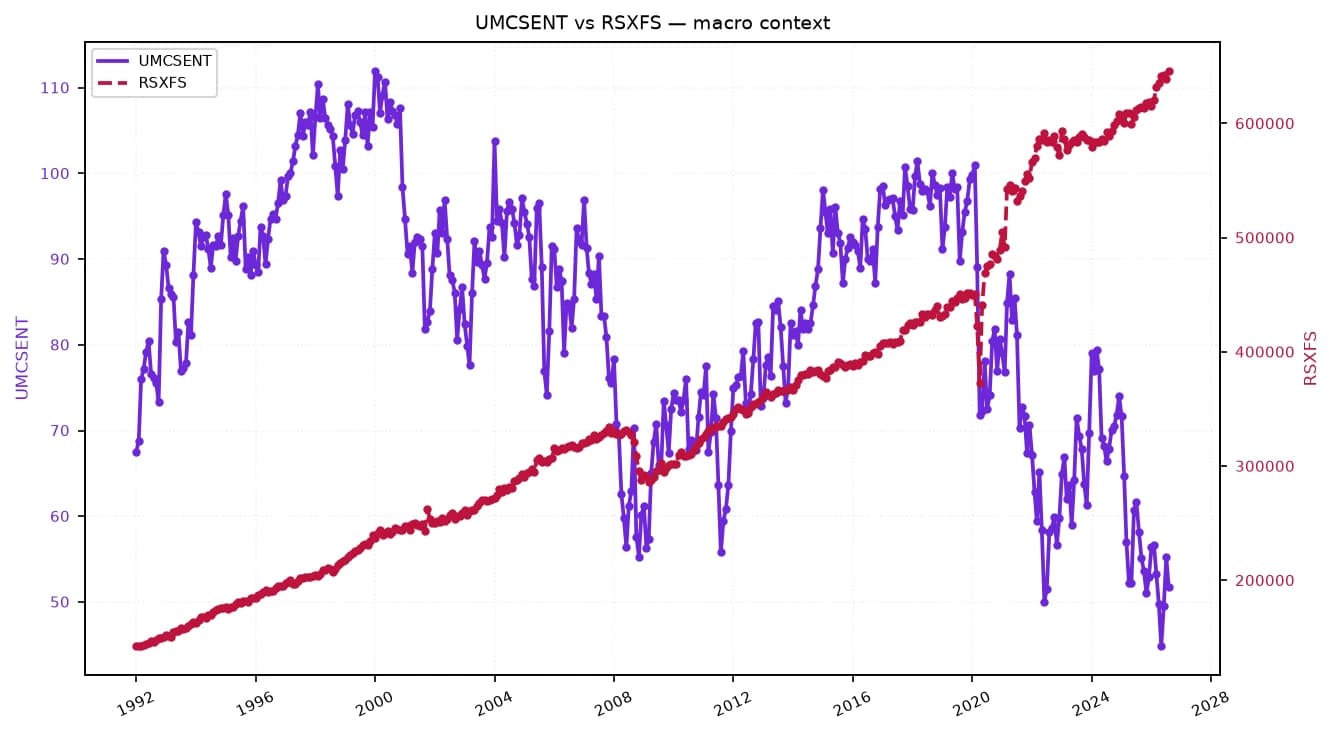
The broader macro picture argues for patience, not panic. Unemployment sits near 4.2%, which still supports household incomes, but the cost of carrying debt remains elevated. Until interest rates come down more materially, the “debt hangover” from routine overspending will keep costing consumers real money and keep investors focused on credit quality across the card industry. For now, the smartest move is to treat credit card debt like a compounding problem — because that is exactly what it is.
| Entity | Gains | Losses |
|---|---|---|
| Credit card lenders | ▲Higher interest income | ▼Rising delinquency risk |
| Consumers who pay in full | ▲Avoid costly interest | ▼None |
| Consumers carrying balances | ▲Short-term spending flexibility | ▼Years of extra payments |
| Investors in quality lenders | ▲Stronger fee and lending franchises | ▼Weaker issuers with bad credit trends |