Families in Queensland are increasingly using mortgage refinancing to absorb credit-card balances, a sign that higher borrowing costs are still squeezing household budgets and pushing unsecured debt into cheaper, longer-term housing loans.
Queensland Families Refinance Credit Card Debt
That matters because it changes where the stress sits in the financial system. Credit-card debt is expensive, revolving and quick to become delinquent; mortgage debt is lower-cost, longer-dated and usually protected by collateral. Rolling one into the other can ease monthly cash flow for borrowers, but it also extends the life of the debt and leaves households paying interest for years longer than they would on a card balance.
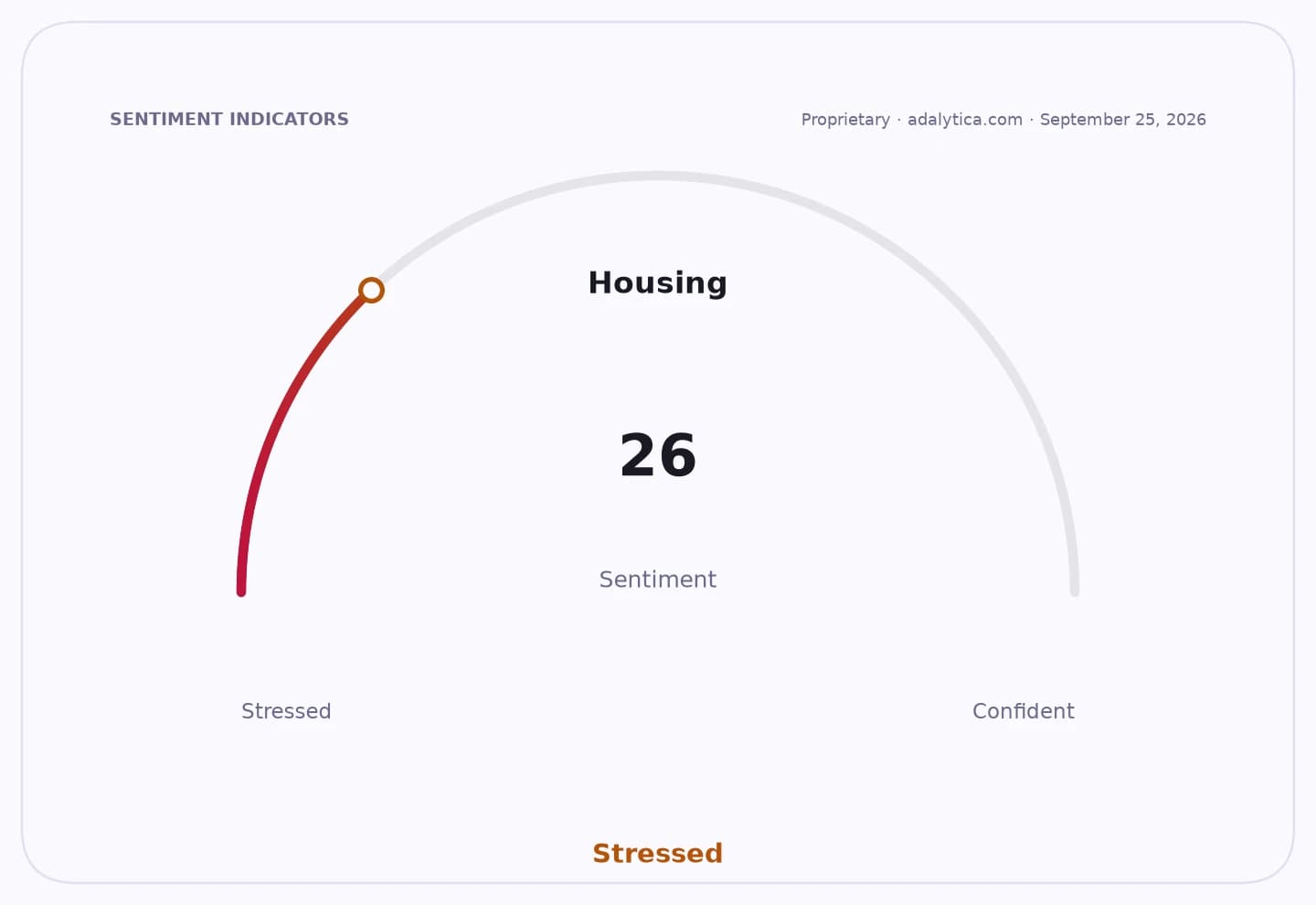
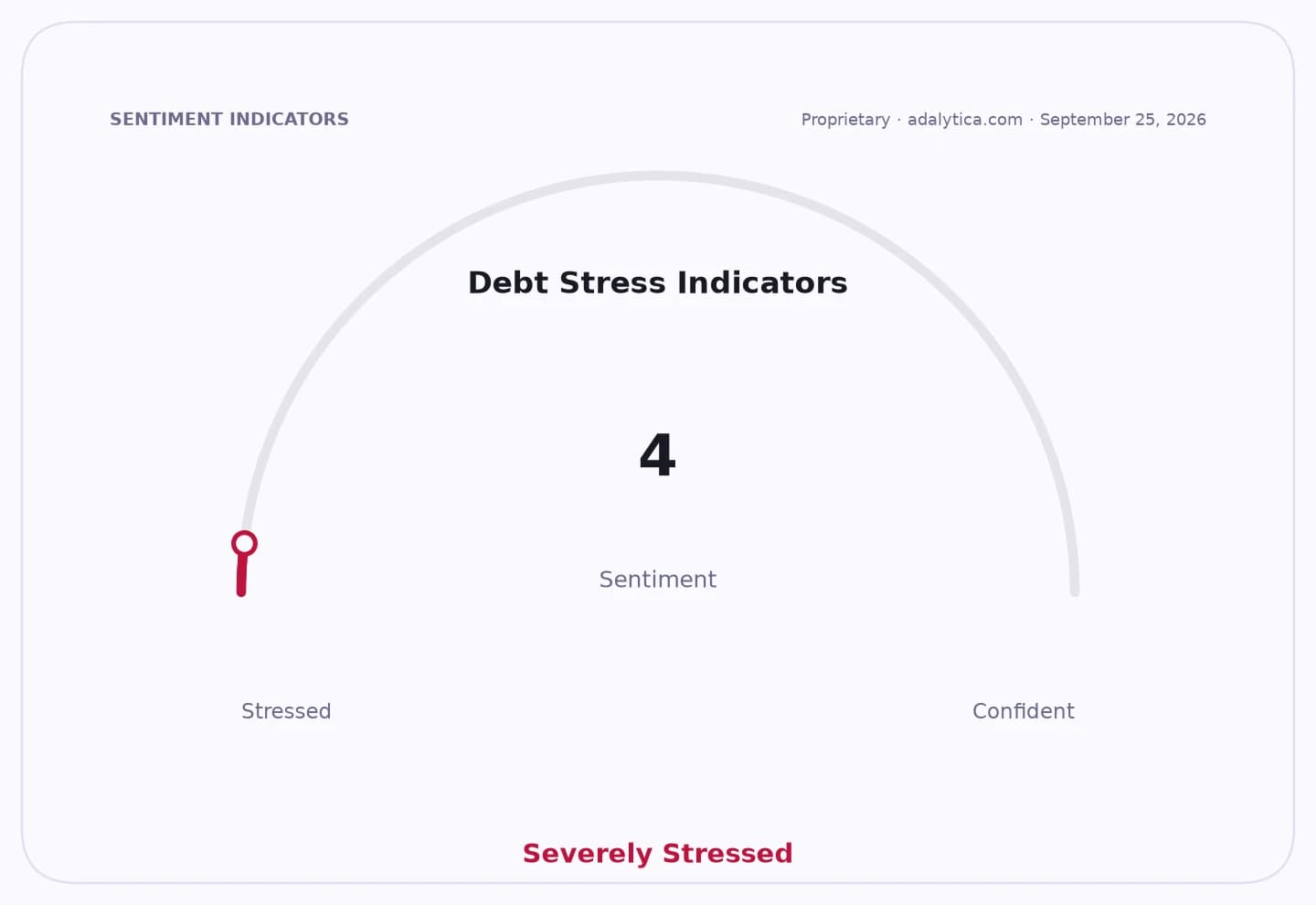
Sentiment IndicatorsⓘProprietary · adalytica.com · September 19, 2026
This is a snapshot — live sentiment, awareness and momentum for 130+ markets update continuously in the dashboard.Open AlphaPulse
For investors, the shift is a reminder that consumer balance sheets are under pressure even if the job market has not collapsed. Australia’s unemployment rate is still around 4.1%, a level that would normally suggest resilience, while inflation has cooled to about 3.3% year over year in the latest available CPI reading. But the persistence of expensive living costs has left many families looking for ways to manage repayments, and refinancing has become one of the clearest pressure valves.
The immediate winners are lenders with large mortgage books and refinancing pipelines. Banks and mortgage providers can capture more loan volume as households consolidate debt, and the move may keep some borrowers current who otherwise might miss credit-card payments. The losers are likely to be the card issuers and, in the long run, some borrowers themselves, because turning short-term debt into mortgage debt can reduce monthly pain today while increasing total interest paid over time.
That tension is visible in the financial sector. Shares of Capital One Financial and Synchrony Financial have been volatile, reflecting a broader investor focus on consumer credit quality and charge-off trends. Those companies are U.S. names, but the same logic applies globally: when households start using secured borrowing to manage unsecured debt, it usually means affordability has become the binding constraint.
The macro backdrop also matters for markets. Adalytica’s trade signals show neutral sentiment on the S&P 500, neutral positioning in U.S. Treasuries and extreme-greed readings in the U.S. dollar, a mix that suggests investors are not pricing a clean recession, but are still nervous about financing conditions. For long-term investors, the lesson is simple: when consumers begin stretching mortgage products to deal with card debt, it is less a sign of disaster than a warning that credit growth is being used to paper over stress.
That makes the trend worth watching closely. If refinancing stays elevated, it could support bank lending volumes in the near term, but it also raises the odds that household leverage remains stubbornly high. For investors thinking in years, not weeks, the key question is whether this is a temporary coping mechanism or the start of a broader consumer deleveraging cycle.
| Entity | Gains | Losses |
|---|---|---|
| Mortgage lenders | ▲More refinancing volume | ▼Tighter underwriting risk |
| Credit-card issuers | ▲Fewer direct losses now | ▼Lower revolving balances |
| Queensland households | ▲Lower monthly payments | ▼Higher lifetime interest |
| Investors in consumer credit | ▲Near-term clarity on cash flow | ▼Rising stress if refinancing stalls |