China’s rush into electric vehicles, batteries and solar panels is becoming the most important economic story in the world’s second-largest economy, because it is replacing the property boom as Beijing’s growth engine while also stirring up a fresh round of trade conflict abroad.
China EV, Solar, Battery Exports Rise

That matters far beyond China. A country that once relied on apartments and land sales to create wealth is now using state credit, subsidies and industrial policy to build “new productive forces” instead. The payoff is visible in export numbers: Chinese green-tech shipments topped $118 billion in the first half of 2026, while EV exports jumped more than 75% from a year earlier. For investors, that means cheaper clean-energy hardware, tougher competition for global manufacturers and a deeper divide between winners in China’s industrial policy and companies exposed to price pressure elsewhere.
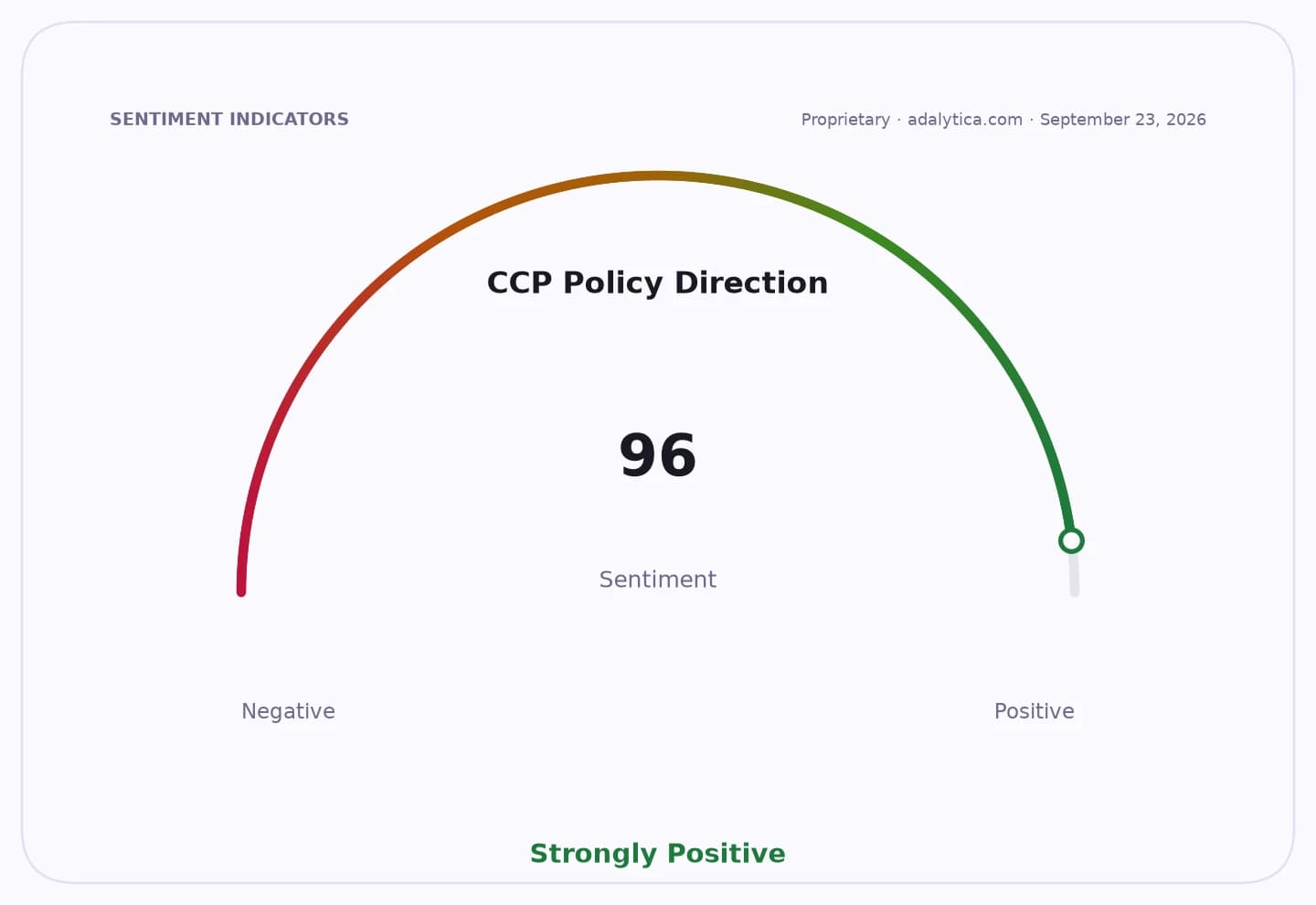
Sentiment IndicatorsⓘProprietary · adalytica.com · September 4, 2026
This is a snapshot — live sentiment, awareness and momentum for 130+ markets update continuously in the dashboard.Open AlphaPulse
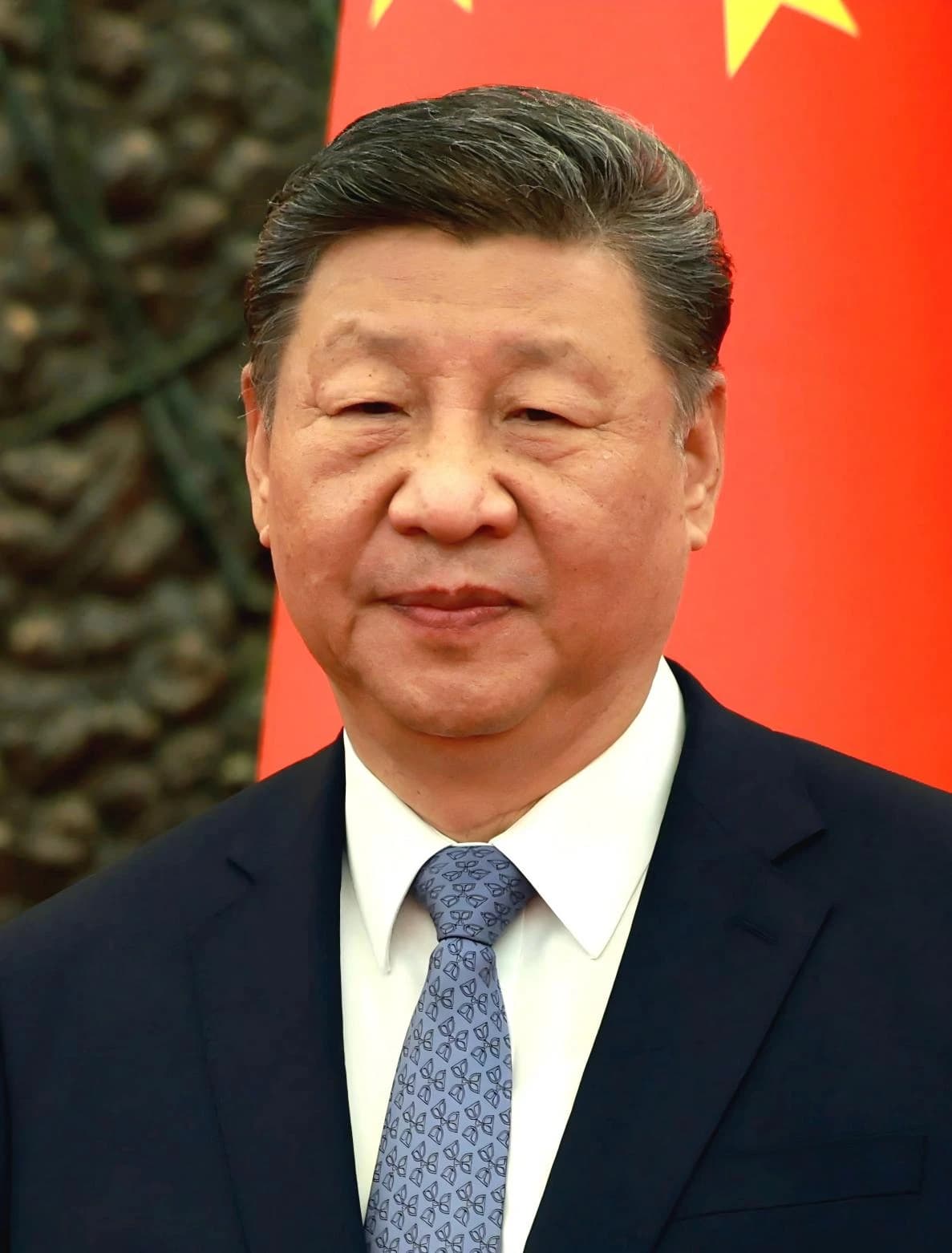
The shift grew out of necessity. China’s property market, long the main store of household wealth and local-government revenue, has suffered a structural collapse after years of debt-fueled construction. With developers defaulting, unfinished homes weighing on consumer confidence and households saving rather than spending, Beijing needed a new source of growth that could absorb capital and keep factories running. Xi Jinping’s answer has been to channel resources into advanced manufacturing, especially EVs, solar cells and batteries.
For long-term investors, that creates a powerful but complicated setup. On one hand, China is building scale in industries tied to electrification, energy storage and the global energy transition. On the other, the domestic demand problem means a huge share of that output must be sold overseas, where buyers are increasingly pushing back. The U.S. has imposed 100% tariffs on Chinese EVs and raised duties on solar panels, semiconductors and battery minerals. Europe is investigating subsidies, and Washington is urging Brussels to coordinate its response.
The market message is already clear. Shares of clean-energy and China-linked funds have been volatile, with technical indicators showing recent weakness in ETFs such as TAN, ICLN and KWEB. That kind of price action reflects more than short-term trading: it captures investor unease over margins, trade barriers and the possibility that Beijing’s industrial overcapacity keeps pressuring global pricing for years. When China can flood markets with low-cost goods, producers from the U.S. to Europe may face lower profitability even if end demand for clean technology keeps growing.
There is a broader investing lesson here. China’s pivot may help stabilize its economy after the property bust, but it is unlikely to solve the core household confidence problem quickly. That means the export machine can keep running, and trade tensions can keep building. For investors, the best approach is to stay focused on durable business models, supply-chain resilience and diversified exposure to the energy transition rather than trying to guess the next tariff headline.
If you own clean-tech names, Chinese industrial stocks or global manufacturers, this is a story worth watching for years, not weeks. China is betting its next growth cycle on green manufacturing, and that could create both explosive opportunities and fierce competitive pressure for patient investors.
| Entity | Gains | Losses |
|---|---|---|
| China’s EV, solar and battery makers | ▲Export growth, scale, state support | ▼Margin pressure from tariffs |
| Western automakers and solar producers | ▲Protection from tariffs | ▼Higher input costs, tougher competition |
| Clean-energy investors | ▲Lower hardware costs, long-term demand growth | ▼Policy risk, pricing pressure |
| Chinese property sector | ▲Little from the pivot | ▼Capital, policy attention, household trust |