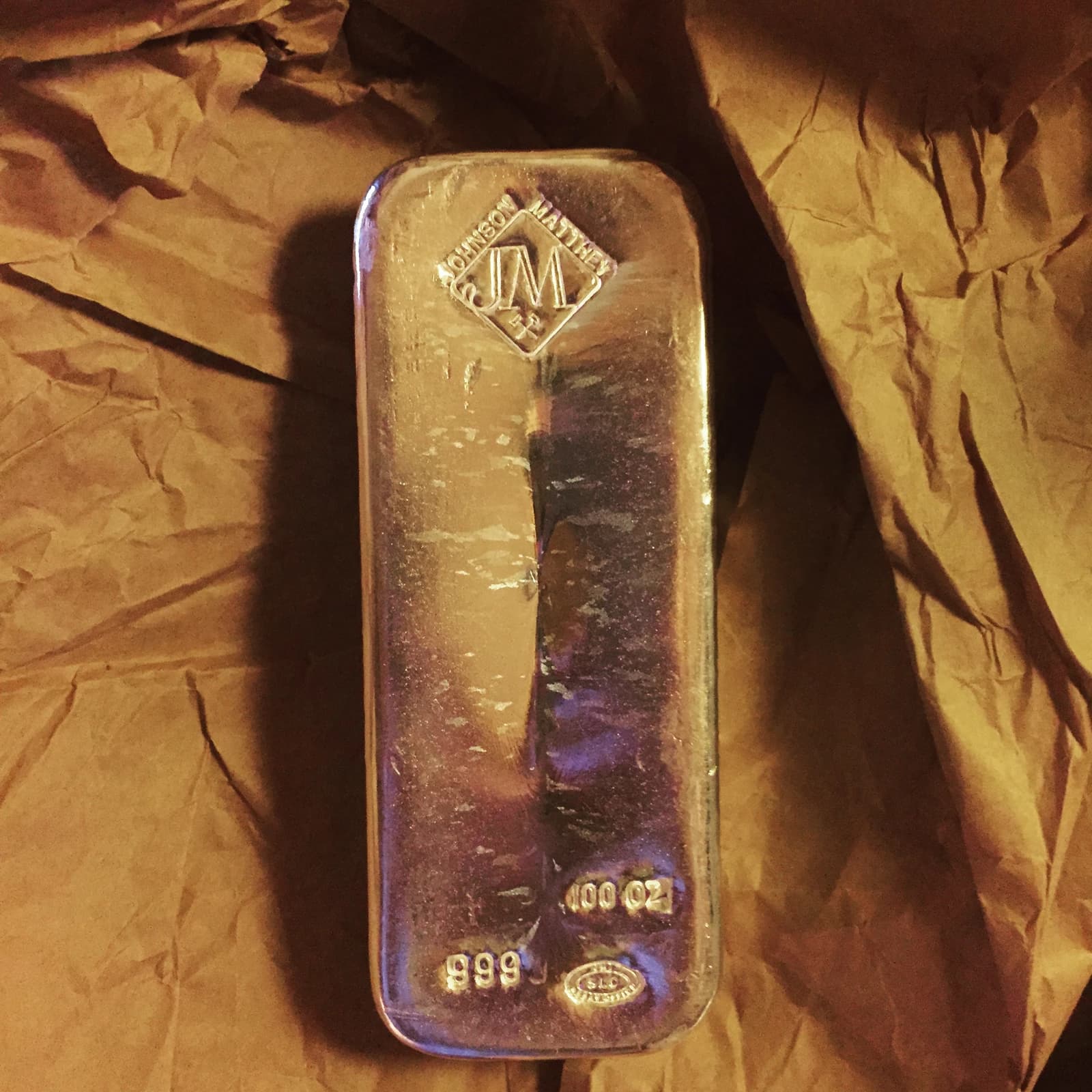
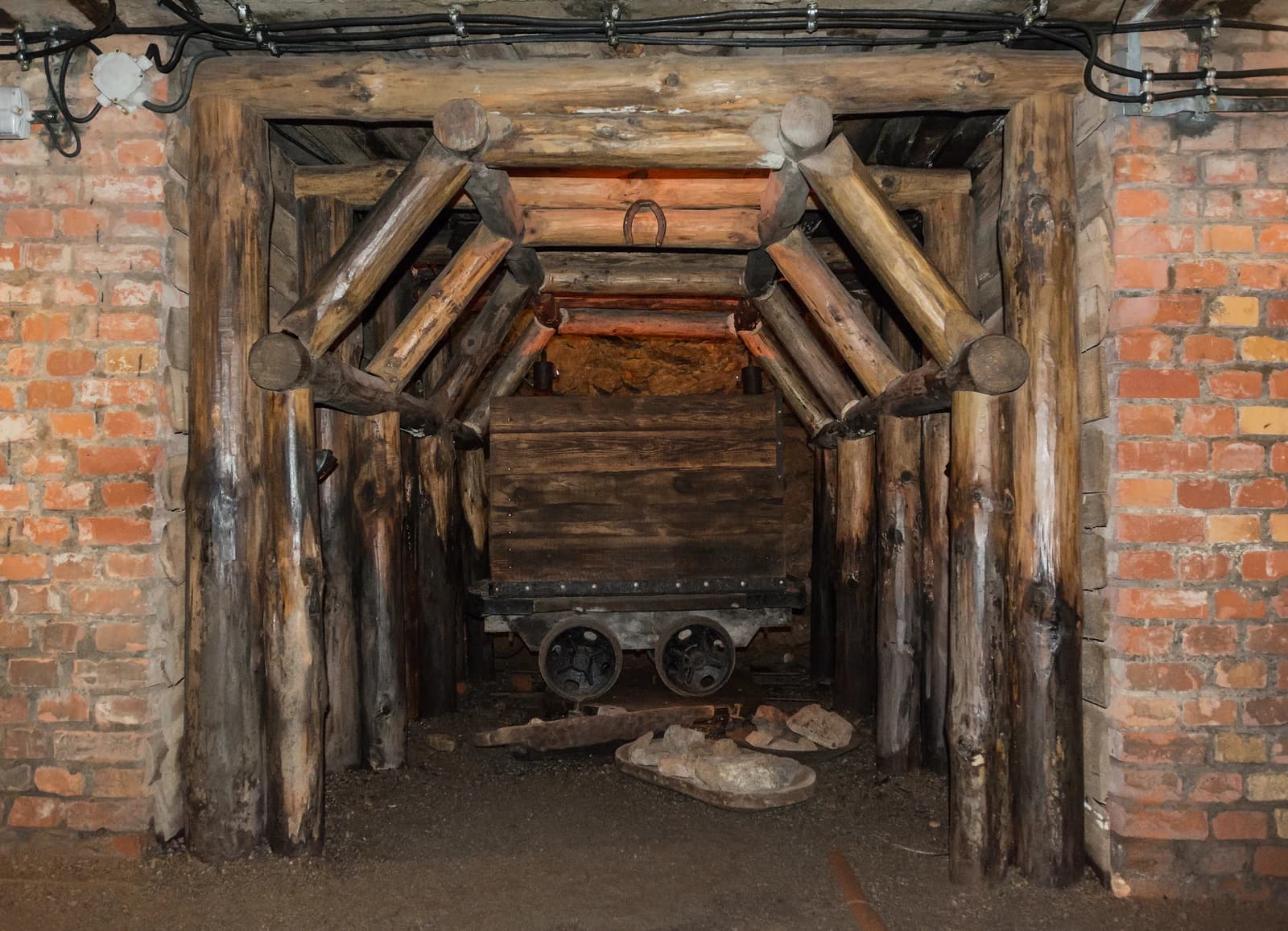
Sierra Madre Gold and Silver is moving faster at La Guitarra just as gold and silver investors are being pushed toward producers with real capacity, not just paper ounces. The company’s processing plant has reached up to 720 tonnes a day, more than 40% above its old 500-tonne nameplate, and a new ball mill is slated to enter commissioning in November, setting up a phase 2 target of 1,200 to 1,500 tonnes a day months ahead of schedule.
Sierra Madre Gold and Silver ramps La Guitarra
That matters because the metals backdrop is doing the heavy lifting for the sector. Gold ETF inflows remained strong even after the gold price fell more than 8% in September, while silver is headed for a sixth straight year of deficit, with the Silver Institute forecasting a shortfall of 46.3 million ounces in 2026. In a market where managed-money futures positioning can swing violently, the companies that can actually lift throughput, add ore sources and extend mine life tend to capture investor attention fastest.
Sentiment IndicatorsⓘProprietary · adalytica.com · October 8, 2026
This is a snapshot — live sentiment, awareness and momentum for 130+ markets update continuously in the dashboard.Open AlphaPulse
For Sierra Madre, the investment case is no longer just about restarting and expanding one plant. It is about proving that La Guitarra can become a scalable silver-gold platform in Mexico. The company says it has already driven roughly 2.6 kilometres of development since June across Guitarra, Nazareno and Coloso, while also pushing work at Los Angeles and accelerating dewatering at San Rafael. Higher-grade material from San Rafael is expected to begin production by the end of October, adding a near-term catalyst to the operating ramp.
The balance sheet gives Sierra Madre more room to execute than many junior miners. As of June 30, it reported $22.2 million of cash and $25 million of working capital, after repaying its First Majestic loan and closing the Del Toro silver mine acquisition. That combination — liquidity, a permitted asset base and visible expansion milestones — is exactly what the market tends to reward when precious-metals sentiment turns from fear to accumulation.
GoldMining offers a different but equally compelling angle: optionality on multiple metals rather than single-asset production. At Crucero in Peru, antimony was added to the resource estimate in February, giving the project a second strategic value stream beyond gold. Antimony matters more than most investors realize because it is a critical mineral used in flame retardants, batteries, alloys and specialized electronics, and Canada already classifies it among its critical minerals.
The more explosive upside may sit in Alaska through U.S. GoldMining, where GoldMining owns about 74.1%. The Whistler preliminary economic assessment modeled a $2.04 billion after-tax net present value at base-case prices, with a 33% internal rate of return and a 2.1-year payback. That is the kind of economics that can re-rate a junior long before construction, especially when the study used only indicated resources and the latest drilling results are still pending.
The market is not paying enough attention to the setup across the precious-metals space. Gold and silver are not short of headlines; they are short of mine supply, shovel-ready growth and projects that can convert geology into cash flow. Sierra Madre is trying to become one of the few near-term operating growth stories in silver, while GoldMining is building a portfolio of hidden leverage to gold, copper and critical minerals. In a sector where capital is beginning to chase real development progress, those are the names that can surprise to the upside.
If you want exposure to the next leg in precious metals, the better trade is not simply owning the metal. It is owning the companies that can turn constrained supply, rising strategic demand and improving operating momentum into disproportionate equity upside.
| Entity | Gains | Losses |
|---|---|---|
| Sierra Madre Gold and Silver | ▲Higher throughput and growth optionality | ▼Delay or execution risk |
| GoldMining | ▲Antimony and copper upside | ▼Single-metal valuation discount |
| Gold and silver bulls | ▲Scarcity-driven re-rating potential | ▼Short-term price volatility |
| Under-capitalized juniors | ▲Sector attention shifts away | ▼Funding pressure |