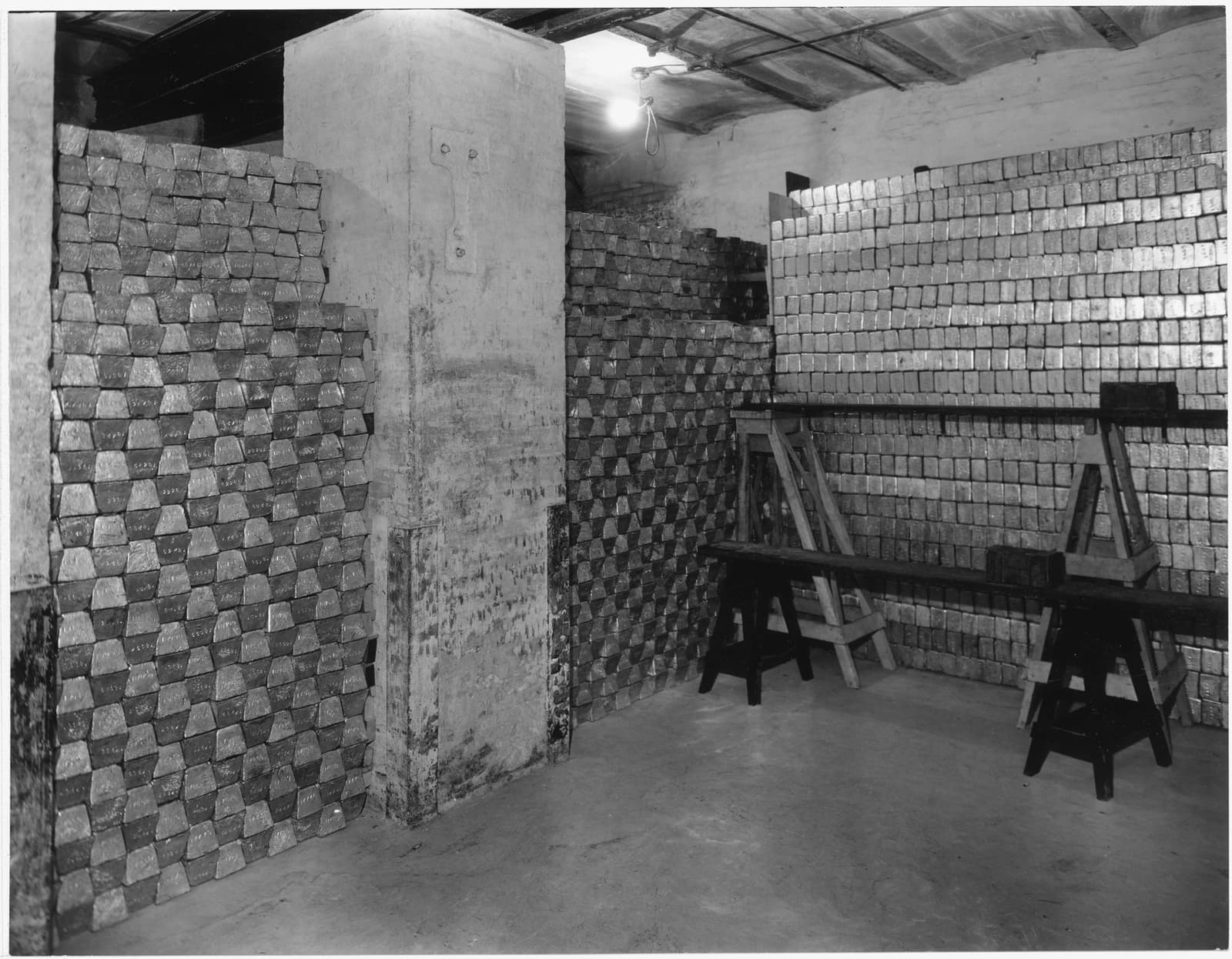
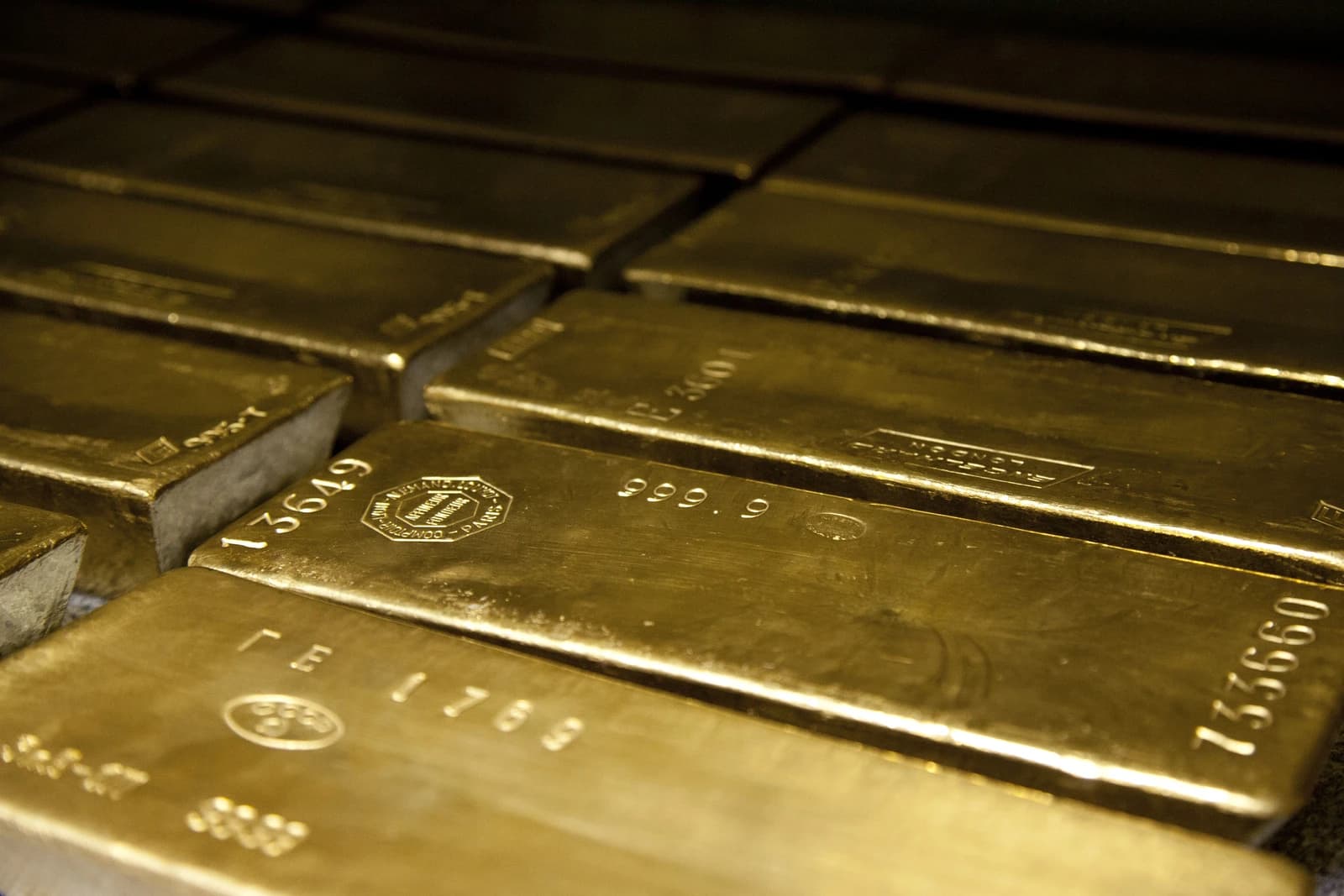
Gold is holding near record territory, but the next big move in bullion still hinges on the same two forces that have capped gains all year: elevated US Treasury yields and a firm dollar.
Gold Holds Near Record as Yields and Dollar Stay Firm

That matters because gold and silver don’t pay interest, so higher bond yields raise the opportunity cost of owning them. A stronger dollar also makes dollar-priced metals more expensive for buyers outside the US, trimming demand just as investors are trying to decide whether the Federal Reserve can keep rates elevated for much longer.
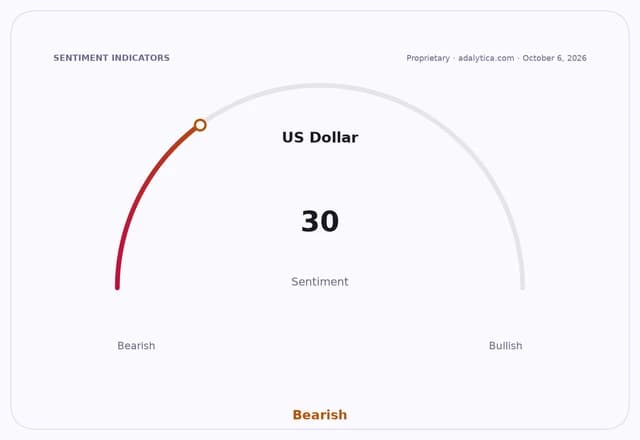
Sentiment IndicatorsⓘProprietary · adalytica.com · October 6, 2026
This is a snapshot — live sentiment, awareness and momentum for 130+ markets update continuously in the dashboard.Open AlphaPulse

On Tuesday, gold futures on COMEX were little changed at $4,159.40 an ounce, while spot gold sat at $4,141.31 after recent losses. Silver slipped to $61.10 an ounce. Those are still exceptionally high levels for both metals, which tells investors the market is not in a broad liquidation — it is pausing under the weight of macro headwinds.
The yield backdrop is the real story. The US 10-year Treasury yield was around 5.28%, while the 2-year yield stood near 4.77%, levels that keep cash and bonds competitive against non-yielding assets. In plain English: when investors can earn more simply by holding Treasuries, bullion needs either a weaker dollar, lower real rates or a fresh burst of fear to keep climbing.
That’s why every new data point on inflation, jobs and Fed policy matters so much. Softer-than-expected employment data have trimmed expectations for another near-term rate hike, which is helping gold avoid a deeper selloff. But investors are not yet betting on a clean pivot lower in rates, and that uncertainty is enough to keep silver and gold choppy.
There is still a bullish long-term case here. Gold’s persistence near $4,100 shows that central-bank buying, geopolitics and persistent inflation anxieties continue to support the metal even as yields stay high. Silver, meanwhile, has an additional industrial demand story through electronics, solar and energy transition spending, but it remains more volatile and more sensitive to changes in risk appetite.
For investors, the message is simple: this is a market where macro matters more than headlines. If Treasury yields stay elevated and the dollar remains firm, bullion may struggle to break out cleanly. If yields ease or the Fed turns more dovish, the setup improves quickly for both metals and for miners tied to them.
The longer-term investing takeaway is that gold still plays its role as a portfolio diversifier, not a short-term trade. For patient investors, the current consolidation may be worth watching rather than fearing — especially if you believe rate cuts eventually arrive and the dollar loses some of its shine.
| Entity | Gains | Losses |
|---|---|---|
| US Treasury yields | ▲Bondholders | ▼Gold and silver bulls |
| Strong US dollar | ▲US consumers buying abroad | ▼Non-US bullion buyers |
| Gold miners | ▲Higher metal prices | ▼Cost-sensitive investors if rates stay high |
| Long-term bullion holders | ▲Portfolio diversification | ▼Momentum traders chasing breakouts |