Gold prices in Nepal fell Rs 3,800 per tola last week, and the move matters because it reflects a larger reset in one of the world’s most closely watched safe-haven trades: rising U.S. bond yields are making non-yielding assets like gold harder to justify at the margin.
Nepal Gold Prices Fall as U.S. Yields Rise
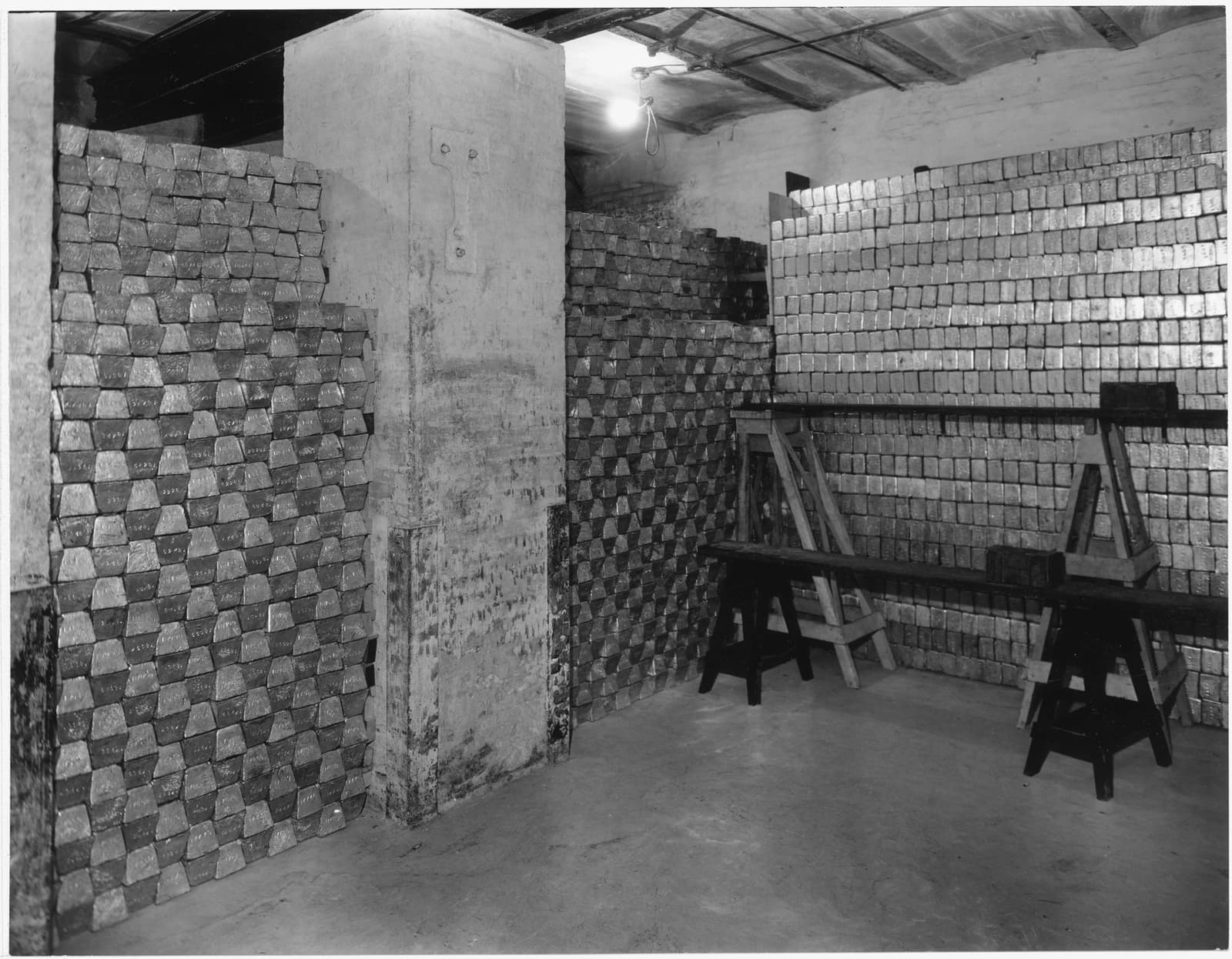
The Federation of Nepal Gold and Silver Dealers’ Association said gold slipped to Rs 294,800 per tola from Rs 298,600 a week earlier, while silver fell Rs 170 to Rs 4,450 per tola. For households, jewelry buyers and retailers, that is a meaningful easing just as demand often picks up ahead of the festive season. For investors, though, the bigger story is not the local price tag — it is what is happening under the hood of the global gold market.
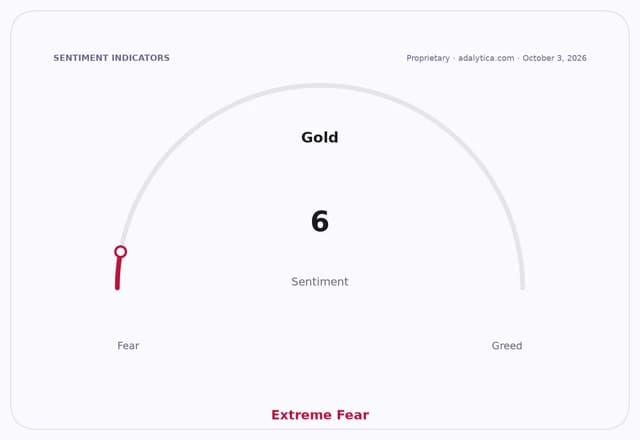
Sentiment IndicatorsⓘProprietary · adalytica.com · October 3, 2026
This is a snapshot — live sentiment, awareness and momentum for 130+ markets update continuously in the dashboard.Open AlphaPulse
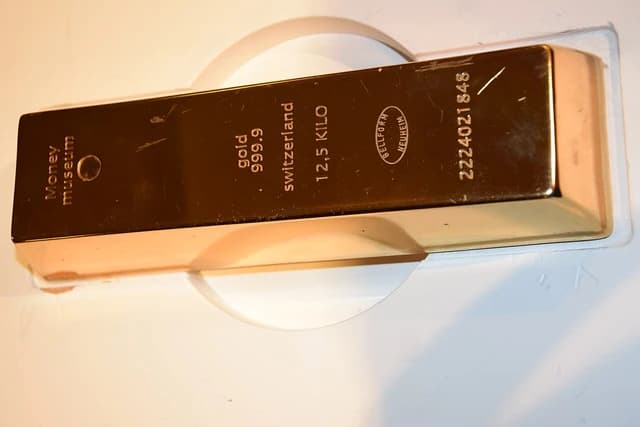
Reuters linked the decline to the U.S. 10-year Treasury yield climbing to its highest level since 2002. That is a problem for bullion because Treasury bonds now offer investors a more attractive income stream than gold, which pays none. When yields rise, the opportunity cost of holding precious metals goes up, and that pressure tends to show up first in ETF flows, futures positioning and dealer inventories before it reaches consumer markets in places like Nepal.
The pricing action also underscores how sensitive gold and silver remain to macro conditions. Gold is still a long-term store of value, especially when inflation, currency stress or geopolitical risk flare up, but its near-term direction is often dictated by real yields and the U.S. dollar. Silver, which has a bigger industrial component, can swing even more sharply when investors trim risk. The latest weekly drop suggests buyers are becoming more selective rather than fleeing precious metals altogether.
That makes this dip more interesting for long-term investors than for traders. Lower local prices can support jewelry demand and help dealers move inventory, but the global setup still says precious metals are in a competition with yields, not just with consumer demand. If U.S. rates stay elevated, gold may struggle to regain momentum quickly; if yields ease, bullion could recover just as fast.
For now, the takeaway is straightforward: the pullback in Nepal’s gold and silver prices is a reminder that macro forces still dominate the precious-metals market. Buyers may welcome the lower rates, while investors should keep an eye on U.S. yields, because that is where the next move in gold will likely be decided.
| Entity | Gains | Losses |
|---|---|---|
| Buyers & jewelers | ▲Lower input costs | ▼Less urgency to stockpile |
| U.S. Treasury bonds | ▲Higher yield appeal | ▼None in this move |
| Gold holders | ▲Potential long-term value reset | ▼Near-term price pressure |
| Silver users | ▲Cheaper metal costs | ▼Volatility in a weaker market |