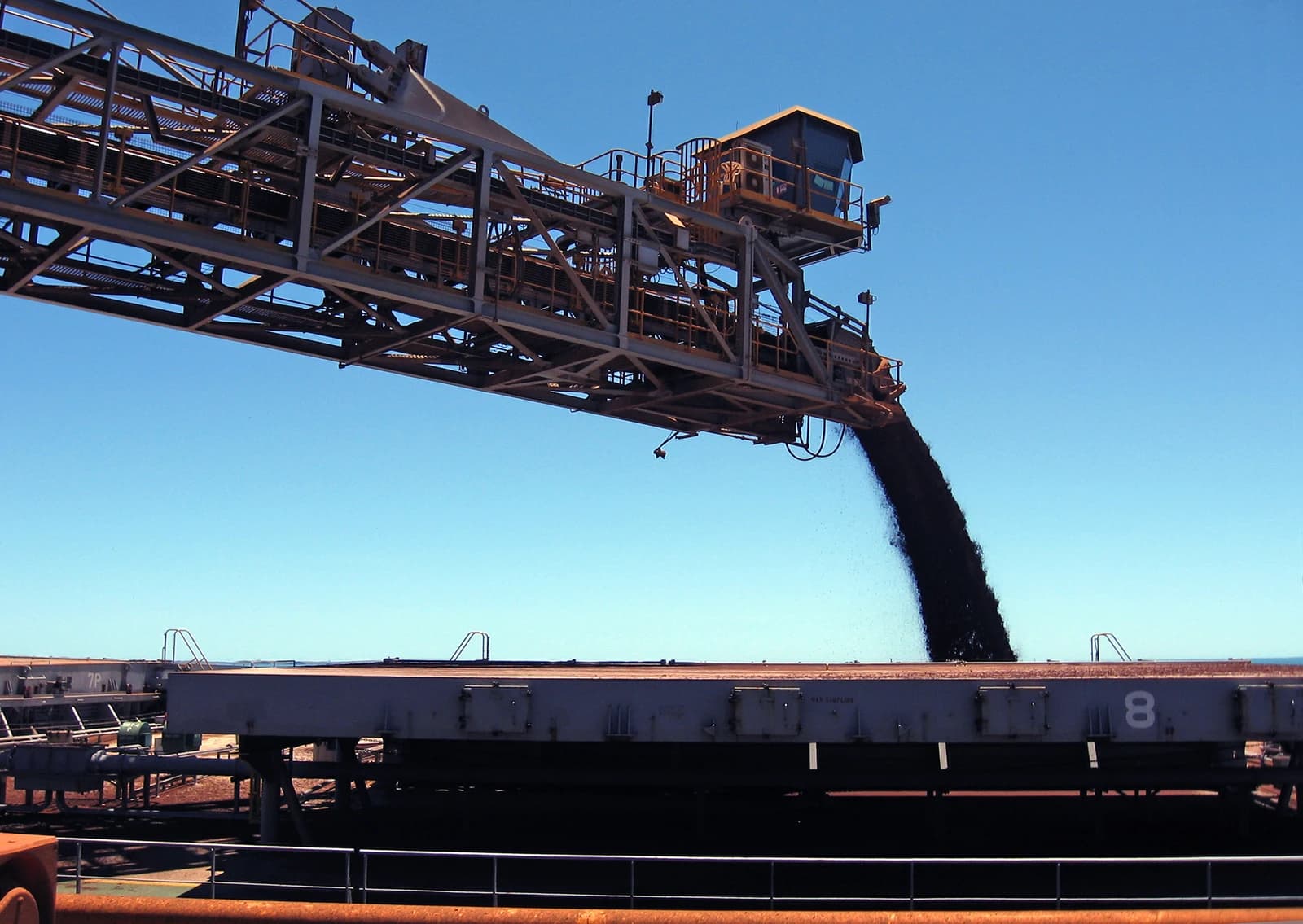
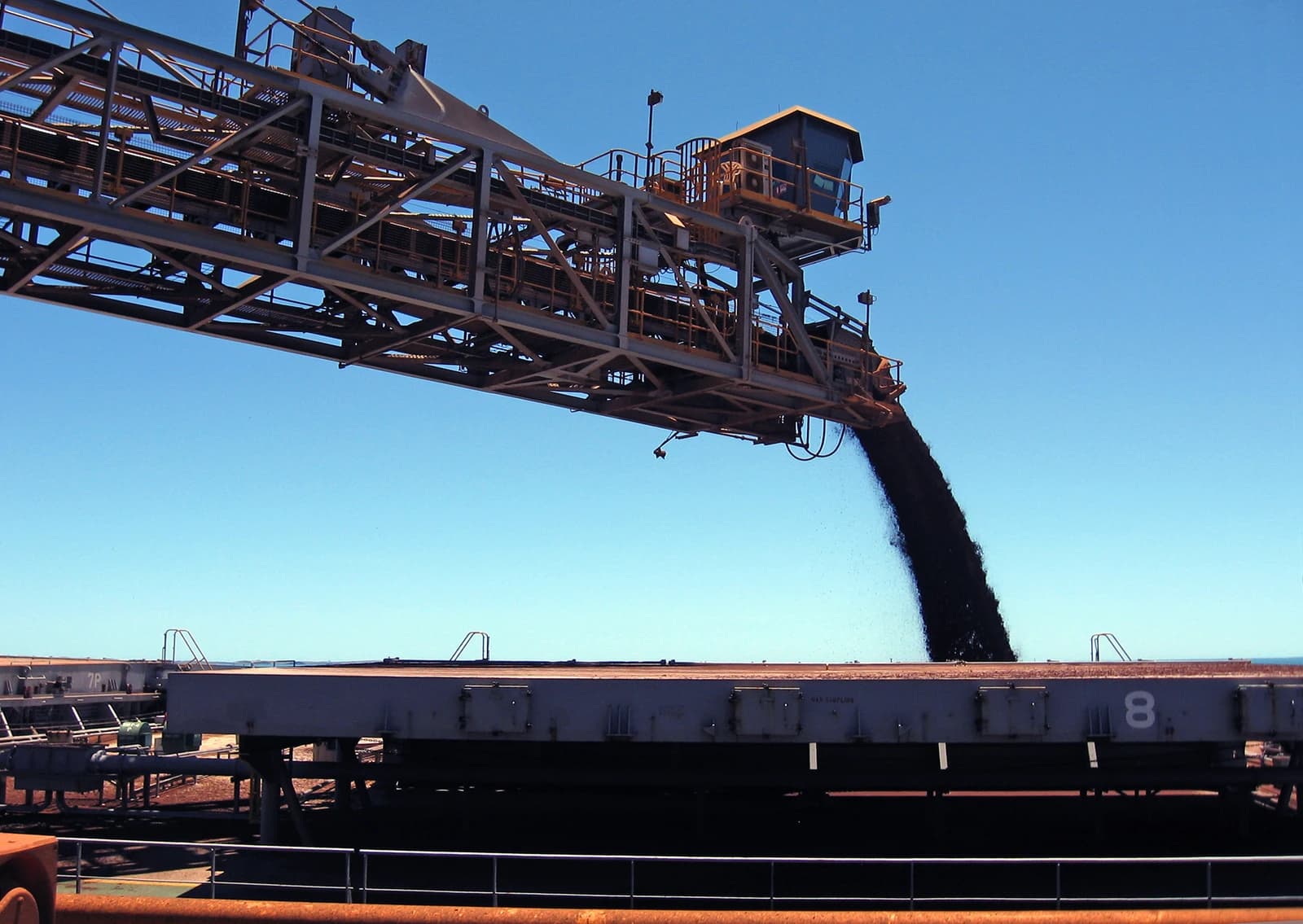
Fortescue’s unusual disclosure of a sharp drop in iron ore sales shows how dependent Australia’s miners remain on China — and how quickly pricing power can shift when Beijing’s central buying machine turns hostile.
Fortescue sales fall as China buying pressure rises
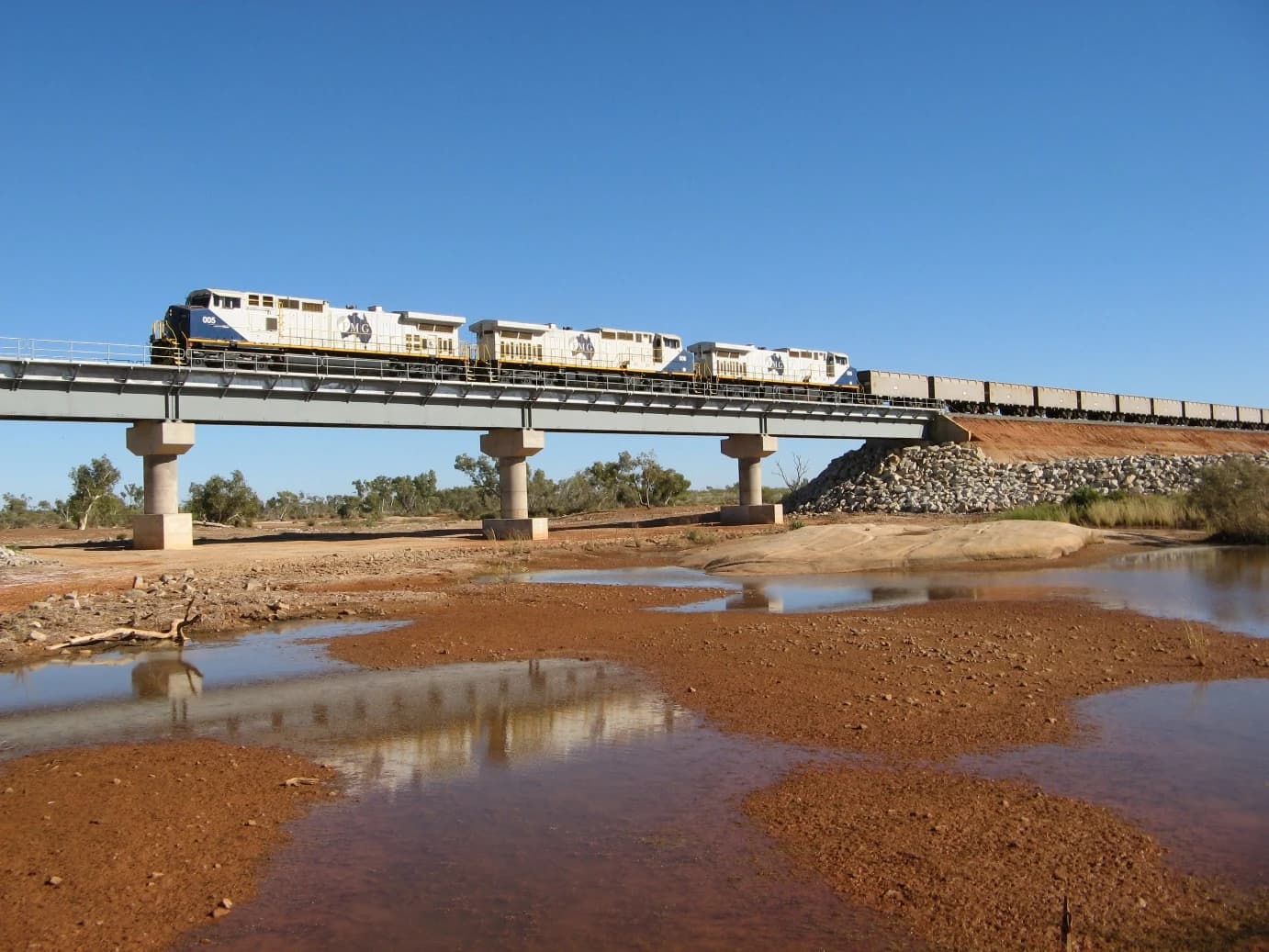
The company said China’s central purchasing agency told steel mills to avoid its cargoes during price talks, a sign that the world’s biggest iron ore customer is willing to use procurement leverage to force tougher terms from suppliers. That matters far beyond one quarter’s shipments: Chinese demand sets the marginal price for seaborne iron ore, so a coordinated boycott can hit volumes, pressure margins and weaken producers’ negotiating position across the industry.
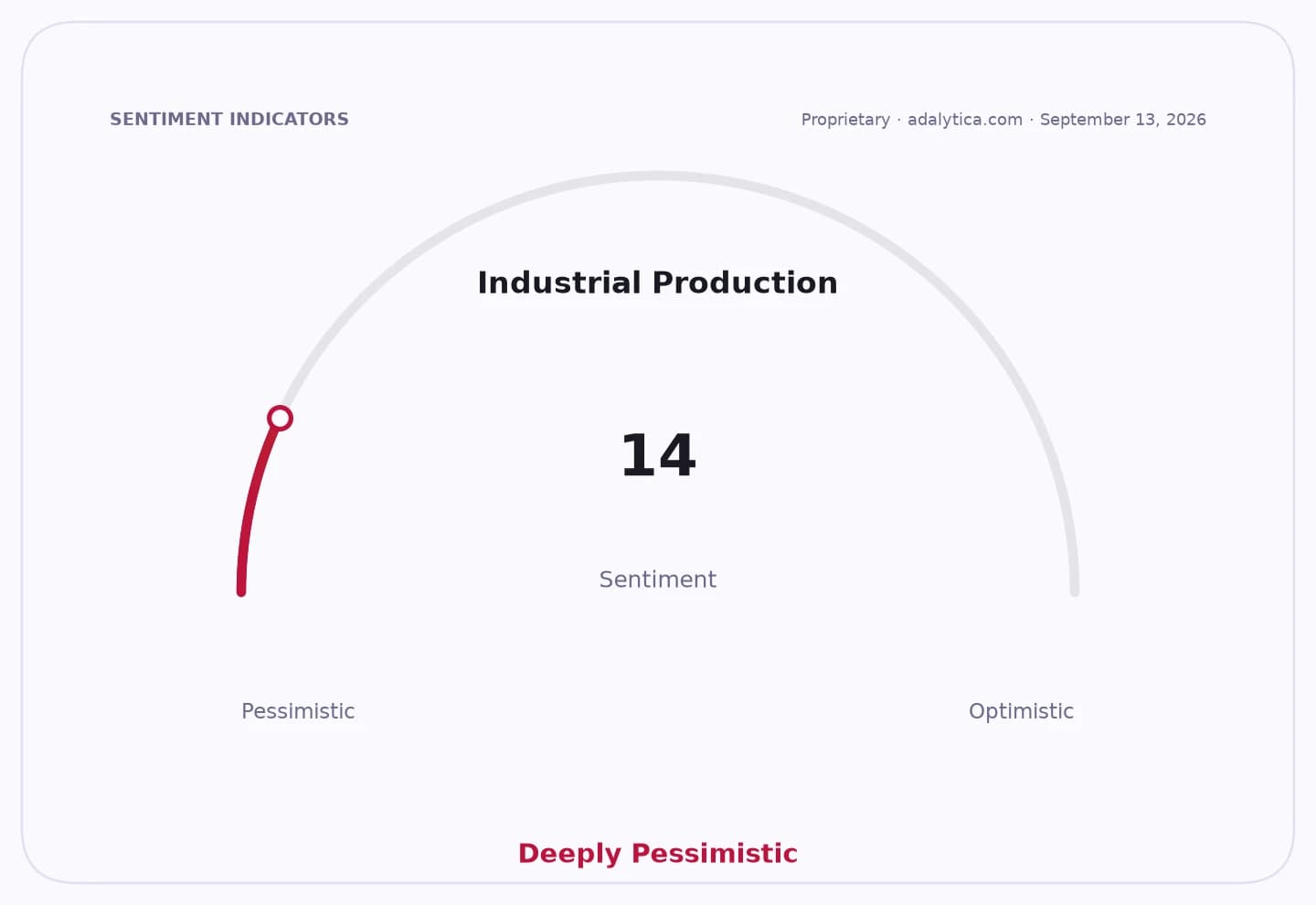
Sentiment IndicatorsⓘProprietary · adalytica.com · October 9, 2026
This is a snapshot — live sentiment, awareness and momentum for 130+ markets update continuously in the dashboard.Open AlphaPulse
For Fortescue, the impact is immediate. The company has taken the unusual step of flagging a steep fall in sales, underscoring how vulnerable it is to China’s bargaining tactics and how much more concentrated its customer exposure is than larger rivals. The episode also highlights a broader geopolitical reality: Australia’s miners may be abundant in supply, but their pricing power is constrained by a single buyer bloc that can delay cargoes, squeeze discounts and selectively favour competitors.
The market has already been trading the tension. Fortescue shares have fallen back from recent highs, with its technical picture deteriorating as the stock slips below key trend levels and momentum weakens. Rio Tinto and BHP have also retreated from their peaks, but both remain better supported, reflecting their larger scale, broader asset bases and stronger relative resilience to any one customer’s pressure.
That divergence matters for investors because it raises questions about earnings quality across the sector. A boycott that trims Fortescue’s sales can quickly flow through to revenue, cash generation and capital returns, especially if it forces lower realized prices or longer shipment delays. If China keeps mills disciplined in negotiations, the episode could also encourage other buyers to demand similar concessions, adding a new layer of volatility to iron ore pricing into year-end.
The backdrop is not supportive for commodities exporters either. Adalytica’s Chinese yuan trade signals show extreme fear, while China’s growth-target sentiment is flashing extreme greed, a combination that points to a policy environment where officials are pushing for growth but market participants remain wary. For miners, that means demand may hold up unevenly even as bargaining power shifts toward Beijing.
For investors, the key test is whether this is a one-off negotiating tactic or the start of a more systematic push by China to reset iron ore contract terms. If it is the latter, Fortescue faces the greatest risk, while Rio Tinto and BHP may be better positioned to absorb pressure through portfolio breadth and customer diversification. The next shipment data and any sign of a settlement with Chinese mills will show whether the boycott is fading or becoming a recurring feature of the market.
| Entity | Gains | Losses |
|---|---|---|
| China’s central buyer | ▲More pricing leverage | ▼Less supply goodwill |
| Chinese steel mills | ▲Lower purchase prices | ▼Potential cargo disruption |
| Rio Tinto and BHP | ▲Relative resilience | ▼Sector sentiment drag |
| Fortescue | ▲None | ▼Sales, pricing power, cash flow |