Imported iron ore margins in China narrowed to 8.40 yuan a metric ton this week, down from 9.60 yuan, as softer port spot prices outpaced a decline in freight costs.
China Iron Ore Margins Fall to 8.40 Yuan a Ton
The move matters because it shows the imported market is still making money, but only barely. That leaves traders and mills sensitive to any further weakness in benchmark prices, while a continued slide in shipping rates is helping cushion the blow by lowering landed costs.
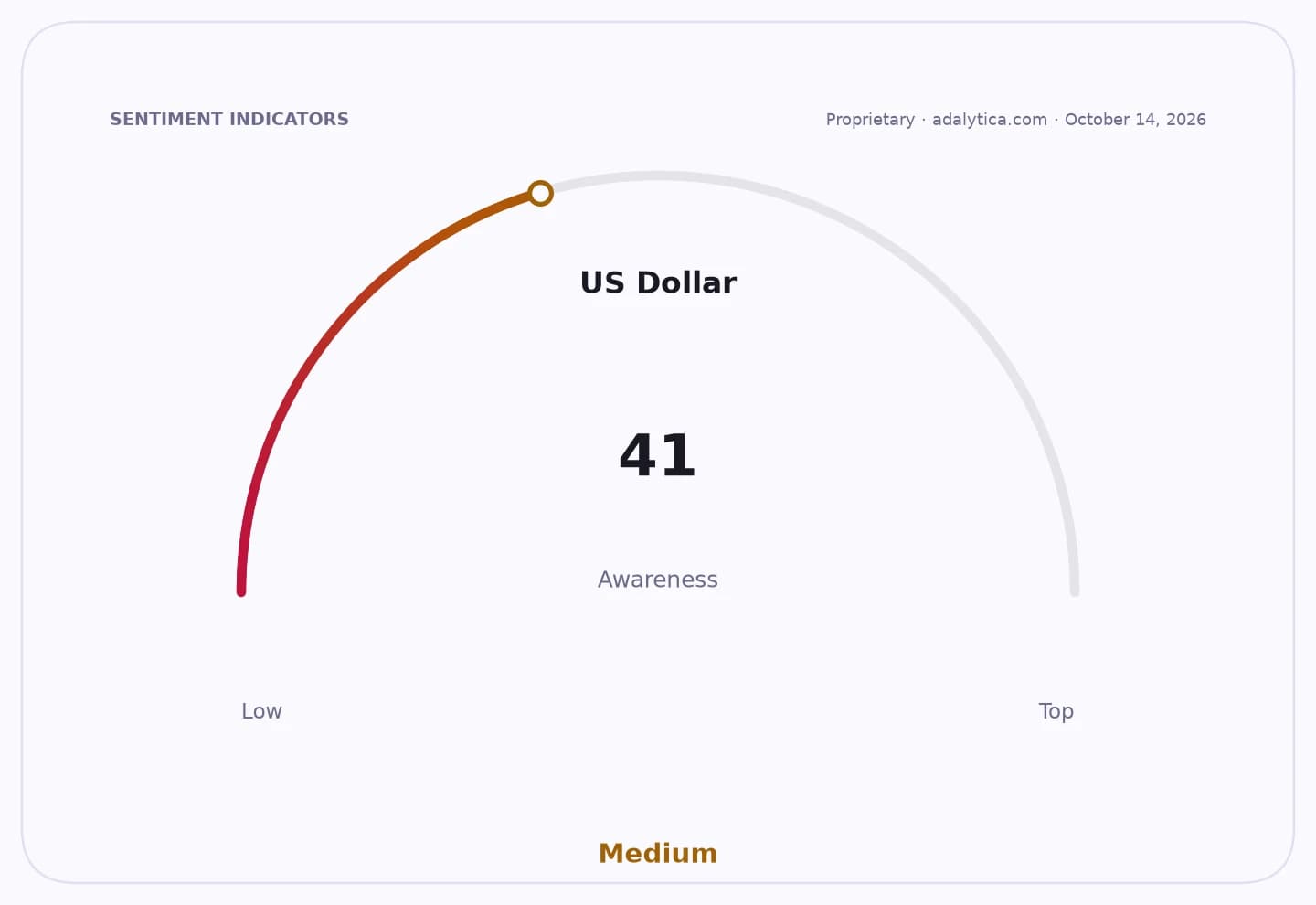
Sentiment IndicatorsⓘProprietary · adalytica.com · October 14, 2026
This is a snapshot — live sentiment, awareness and momentum for 130+ markets update continuously in the dashboard.Open AlphaPulse
Demand remained the main drag. SMM said hot metal output at blast furnaces stood at 1.9011 million tons, up 78,600 tons from the previous week, but still reflecting maintenance-related disruptions and only a gradual recovery after a cumulative rise of more than 270,000 tons since the end of September. In other words, production is improving, yet not fast enough to restore stronger ore pricing.
Freight has now started to reinforce the downtrend in ore rather than offset it. With transport costs easing, the imported-margin squeeze is softer than it would be otherwise, but the price floor for ore is also lower, keeping the market under pressure.
The setup is bearish for near-term pricing and mixed for miners and trading houses. Lower ore prices can support steelmakers’ input costs, but they also limit upside for producers including Vale, Rio Tinto and BHP, whose shares were firmer earlier in the year before recent pullbacks alongside the broader commodity complex.
Technical readings on those miners remain mixed, with Vale and Rio Tinto below their recent highs and BHP also off its late-summer peak, underscoring how investors have been digesting softer iron ore fundamentals. Adalytica’s PMI trend recession gauge remains in extreme fear territory, pointing to a cautious industrial backdrop, while China growth-target sentiment has softened from recent highs.
For now, iron ore prices are expected to stay soft unless steel demand improves or supply is curtailed. Investors will be watching Chinese operating rates, freight trends and any change in mill restocking to see whether margins can hold above breakeven.
| Entity | Gains | Losses |
|---|---|---|
| Chinese steel mills | ▲Lower input costs | ▼Weak end-demand signal |
| Iron ore traders | ▲Small positive margins | ▼Narrower profitability |
| Global miners | ▲Stable shipment flow | ▼Softer realized prices |
| Freight shippers | ▲Lower volume pressure from falling rates | ▼Reduced pricing power |