Imported copper premiums in China surged after the holiday as tight spot supply met rigid downstream demand, with the recovery in the SHFE/LME price ratio triggering a fresh round of buying inquiries.
China copper import premiums rise on tight supply
On Oct. 9, the average Yangshan warrant premium rose $10 a metric ton from the previous session to $135/mt, while the average bill-of-lading premium climbed to 130 yuan/mt and EQ copper CIF bill-of-lading quotes increased to $62/mt, according to market talk. Traders also heard registered ER copper bill-of-lading cargoes changing hands at $130-150/mt, warrants around $150/mt and late-October to early-November EQ copper at about $70/mt.
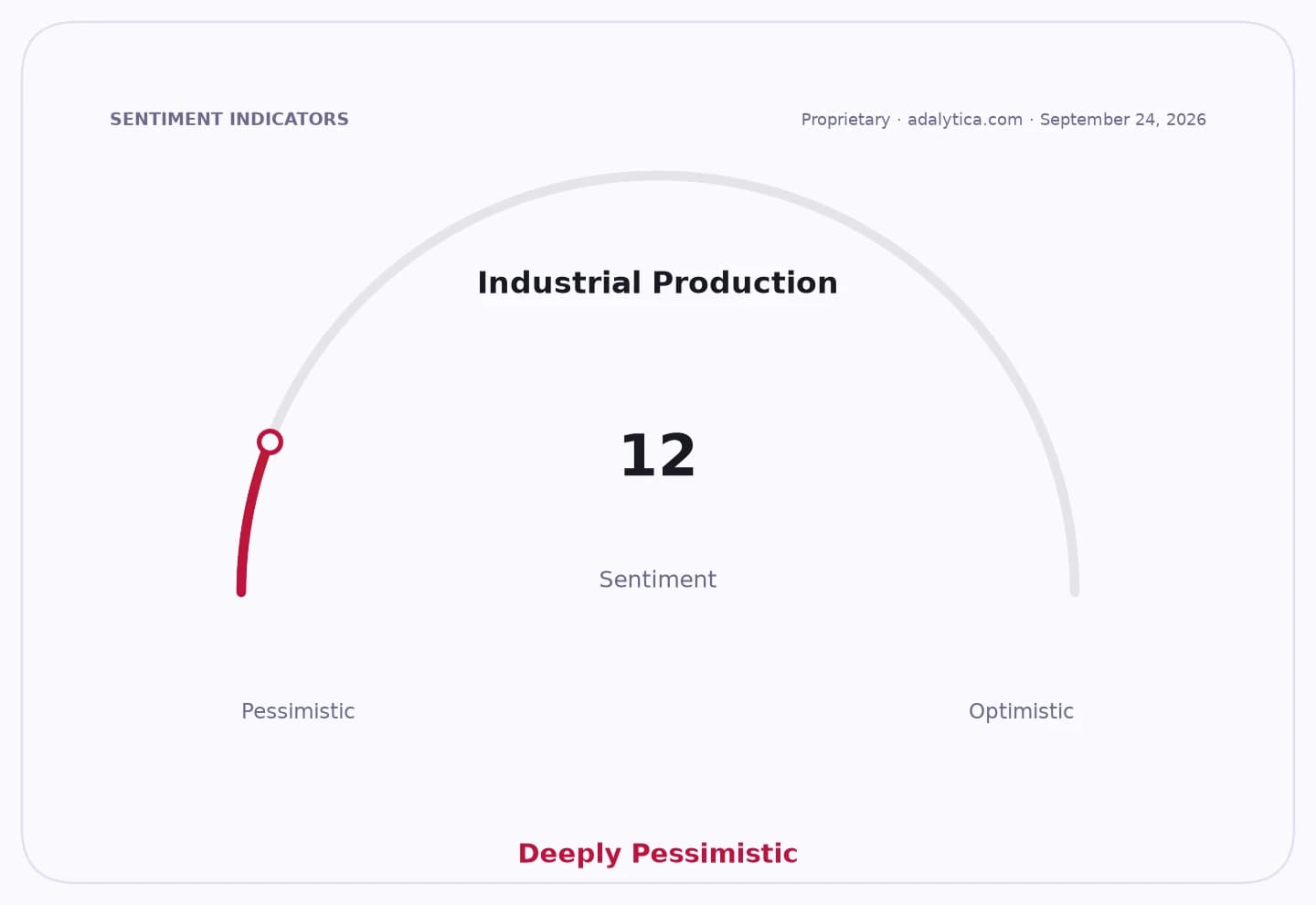
Sentiment IndicatorsⓘProprietary · adalytica.com · October 10, 2026
This is a snapshot — live sentiment, awareness and momentum for 130+ markets update continuously in the dashboard.Open AlphaPulse
The move matters because premiums are a direct read on physical tightness in one of the world’s biggest copper import markets. When the SHFE/LME ratio improves, imported copper becomes more attractive into China, but the lack of readily available cargoes means buyers are forced to pay up, lifting spot premiums and signaling stronger near-term demand for delivered metal.
For miners and copper exporters, firmer Chinese import premiums can support realized prices and shipment economics, especially if the window between London and Shanghai arbitrage stays open. For downstream fabricators, however, the higher premiums add to input costs at a time when demand is described as only rigid rather than robust, leaving less room to absorb further spikes.
Copper-linked equities have already reflected the broader volatility in the metal, with U.S.-listed producers such as Freeport-McMoRan and Southern Copper moving alongside shifting price expectations. The latest premium rebound also fits a market where supply worries, including mine disruptions and concentrate tightness, continue to collide with uneven but durable Chinese buying.
Investors will now watch whether the SHFE/LME ratio keeps recovering enough to draw more imports, or whether limited spot availability pushes premiums even higher into late October cargoes. A sustained rise would reinforce the case for tight physical copper balances, while any reversal in arbitrage could quickly cool buying interest.
| Entity | Gains | Losses |
|---|---|---|
| Imported copper sellers | ▲Higher premiums | ▼Smaller arbitrage if ratio narrows |
| Chinese buyers / fabricators | ▲Earlier supply access | ▼Higher input costs |
| Copper miners / exporters | ▲Better realized pricing | ▼Less pricing power if spot tightness eases |
| Short copper traders | ▲— | ▼Tighter physical market and firmer premiums |