Taiwan’s foreign minister is putting a sharper geopolitical price tag on Europe’s ties to China: dependence on Beijing is not just a trade issue, but a risk to sovereignty that could shape supply chains, industrial policy and long-term investment decisions across the continent.
Taiwan Urges EU To Cut China Supply Dependence
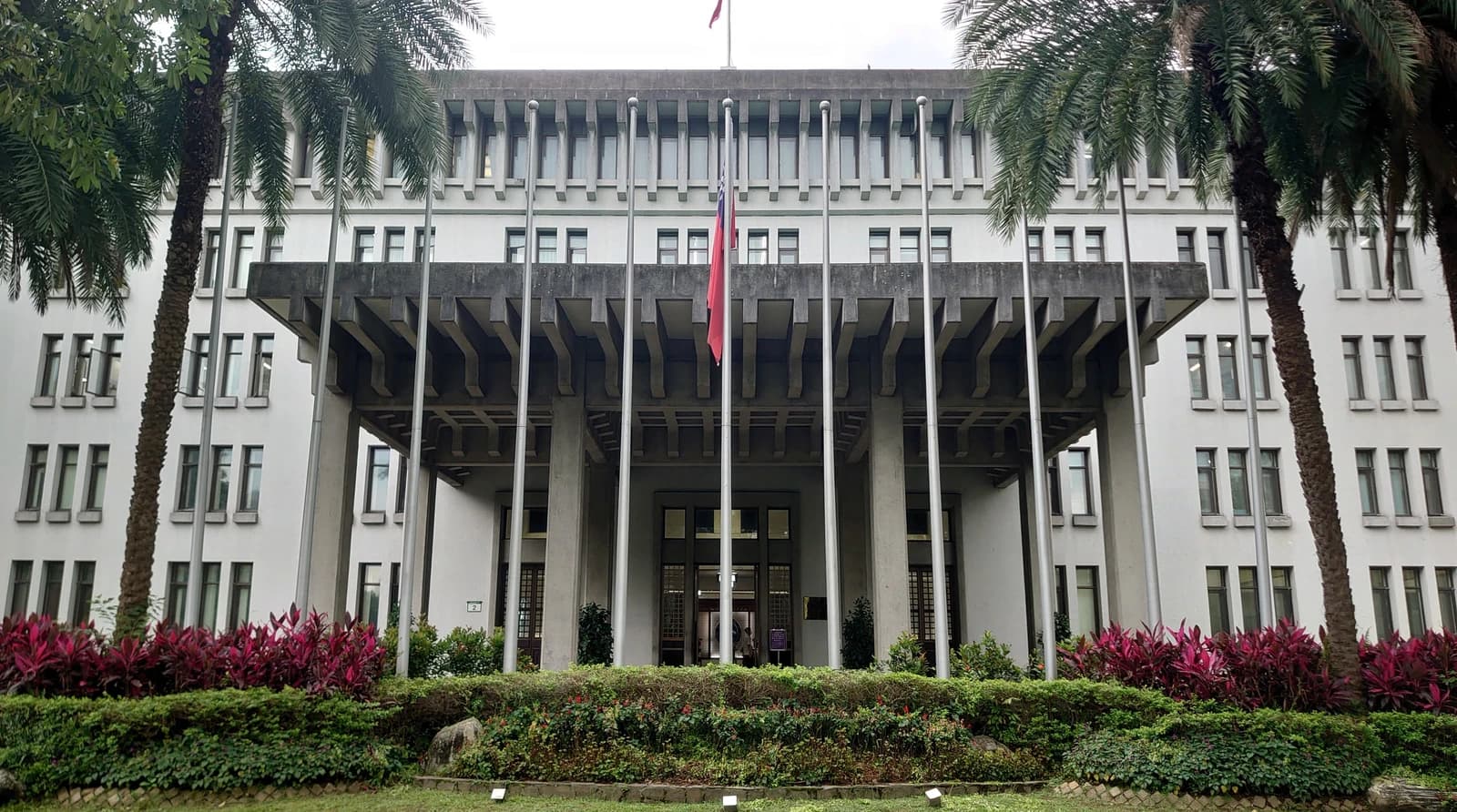
Speaking in Poland, Lin Chia-lung urged the European Union to resist what he described as China’s control over supply chains, warning that reliance on Chinese goods and inputs carries economic as well as political consequences. For investors, the message matters because Europe is heading into an EU leaders’ summit where China’s role in trade and critical sectors is on the agenda, with Brussels already seeking to narrow its trade deficit and reduce dependence in strategic industries.
Sentiment IndicatorsⓘProprietary · adalytica.com · October 13, 2026
This is a snapshot — live sentiment, awareness and momentum for 130+ markets update continuously in the dashboard.Open AlphaPulse
That is the real story here. Europe is no longer talking only about cheaper imports and larger consumer markets. It is weighing resilience against efficiency, and that shift could influence everything from industrial sourcing to energy transition supply chains to technology manufacturing. Taiwan’s pitch to Europe is straightforward: diversify away from China and deepen ties with like-minded partners, including the United States, before supply-chain concentration becomes a strategic vulnerability.
The backdrop is the steady hardening of Europe’s China debate since Russia’s invasion of Ukraine in 2022 exposed how dangerous dependence can become when trade and security collide. Lin framed Taiwan and Europe as natural partners built around democracy, human rights and the rule of law, an argument that resonates more now than it might have a few years ago. China, meanwhile, has kept up its objections to Taiwanese officials traveling abroad, underscoring how even diplomatic signaling has become part of the broader contest.
Markets have already learned to treat this kind of geopolitical friction as more than rhetoric. Shares tracking Greater China exposure have been softer than broad European equities over the latest stretch, with FXI ending the latest session at 34.17, below its 200-day moving average of 35.92, while EWG closed at 41.20, only modestly above its 200-day average of 41.86. VGK, the broader Europe fund, finished at 86.31, also just above its 200-day average. That pattern suggests investors are still favoring diversification themes over concentrated China exposure, even as Europe itself remains vulnerable to slower trade and higher sourcing costs.
From a long-term investing perspective, this is part of a larger secular shift. Governments are moving from just-in-time to just-in-case supply chains, and that favors companies and countries that can offer trusted manufacturing, critical minerals, logistics, advanced semiconductors and alternative industrial capacity. It can also mean more cost inflation in the near term, because redundancy is not free. But for investors thinking in years, not weeks, a world that prizes resilience may reward those positioned in diversified industrial platforms and countries aligned with supply-chain re-shoring.
The next catalyst is the EU summit, which could bring more explicit policy language around reducing China dependence in key sectors. Watch whether that translates into harder procurement rules, more industrial subsidies, or fresh support for alternative suppliers outside China. For now, Taiwan has done what it set out to do: make Europe’s China dependence sound less like an efficiency gain and more like a strategic liability worth paying to reduce.
| Entity | Gains | Losses |
|---|---|---|
| Taiwan | ▲Stronger strategic relevance | ▼None directly |
| EU and Europe | ▲Supply-chain diversification push | ▼Cheap China inputs |
| China | ▲None | ▼Influence over European sourcing |
| Investors in non-China suppliers | ▲Potentially higher demand | ▼China-concentrated exposure |