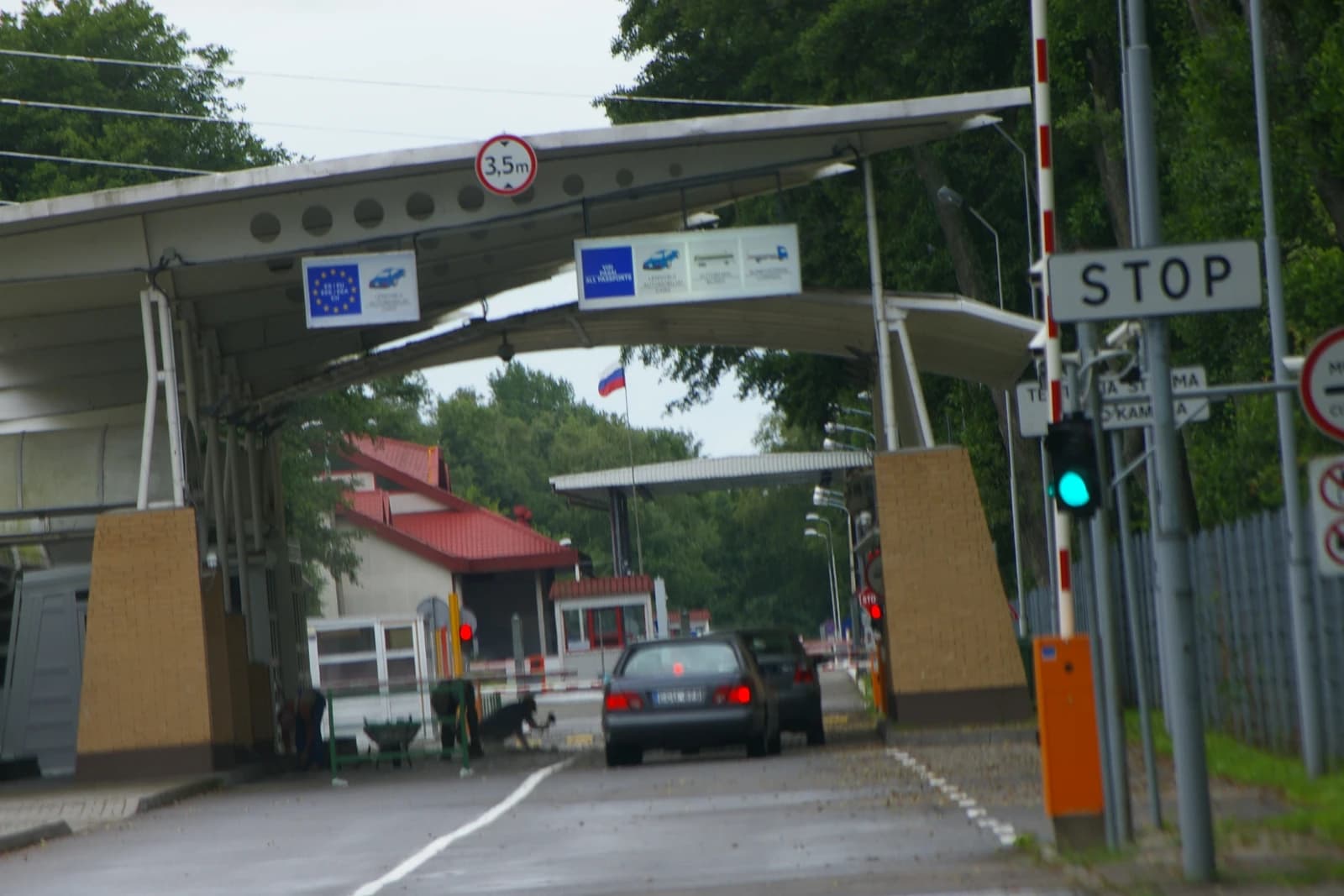
Russia’s warning that it could use nuclear weapons if NATO tries to blockade Kaliningrad underscores a deeper problem for the Kremlin: its Baltic exclave looks increasingly like a strategic liability rather than a shield.
Russia Kaliningrad Nuclear Warning Raises Baltic Risk
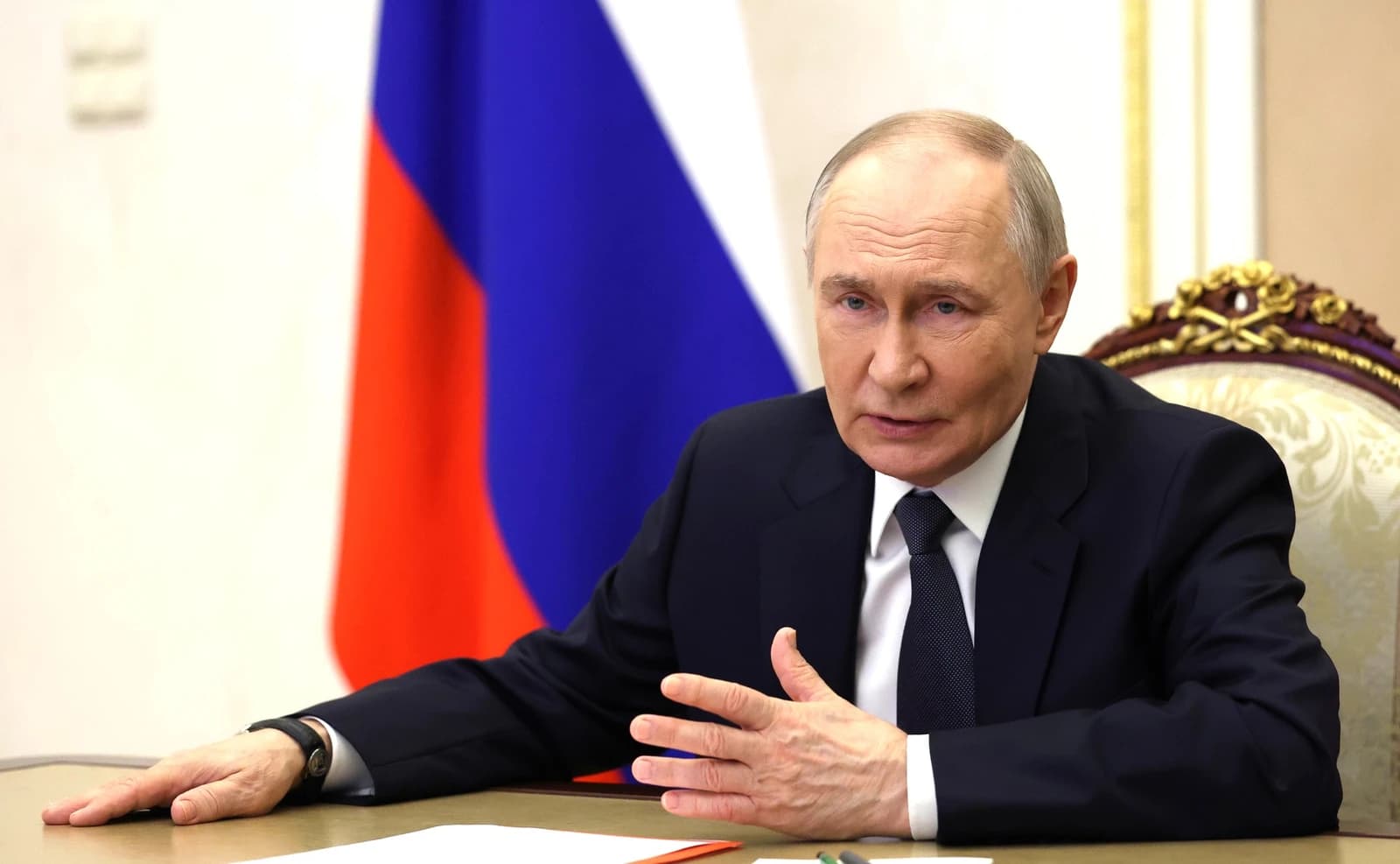
The immediate market implication is less about a direct military move than about a fresh reminder that the Baltic region remains one of Europe’s most volatile flashpoints. For investors, that keeps a risk premium in place across defense, energy and safe-haven assets, even as the probability of an actual blockade remains remote.
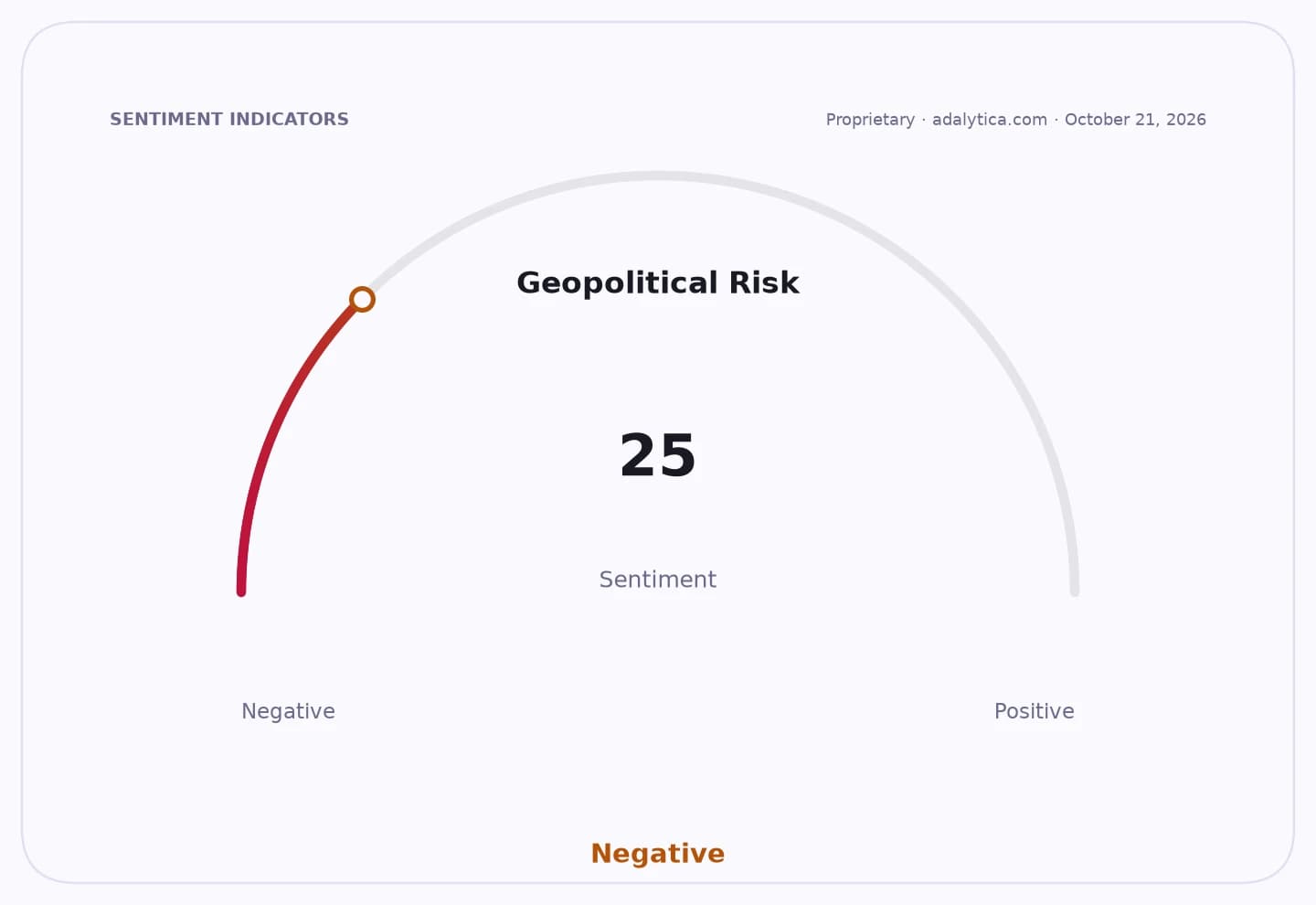
Sentiment IndicatorsⓘProprietary · adalytica.com · October 8, 2026
This is a snapshot — live sentiment, awareness and momentum for 130+ markets update continuously in the dashboard.Open AlphaPulse

The new argument from analysts is that Moscow’s grip on Kaliningrad is being weakened not by NATO pressure, but by Russia’s own war in Ukraine, sanctions, corruption and military overstretch. The enclave, wedged between Poland and Lithuania, survives on subsidies and political backing from Moscow, while its land, sea and air links are fragile and increasingly exposed.
That matters economically because Kaliningrad sits at the intersection of logistics, military posture and regional trade routes. Any escalation around the exclave would reverberate through Baltic shipping, European energy markets and defense spending expectations, especially if markets began to price in a broader confrontation between NATO and Russia.
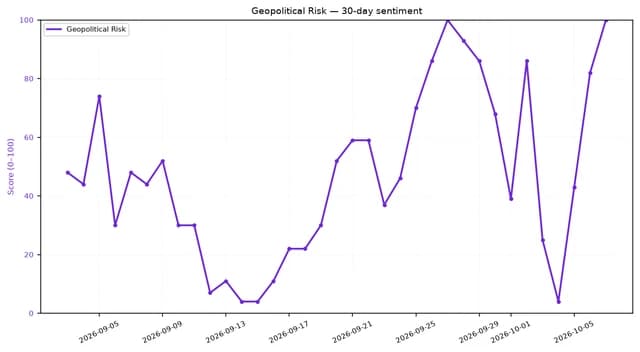
The Kremlin’s nuclear rhetoric also reflects the importance Moscow places on the territory as a leftover symbol of Soviet victory and as a forward military outpost. But the balance of power in the region has shifted sharply since Sweden and Finland joined NATO, giving the alliance overwhelming superiority by land, sea and air around the Baltic.
A Baltic security center project dubbed “Kaliningrad 2050” is now exploring how control of the enclave could unravel over time, including scenarios involving ecological shocks, fuel shortages or public-health crises inside Russia. That is a reminder that the bigger risk for Moscow may be internal decay, not outside invasion.
For investors, the practical takeaway is that Baltic tensions are unlikely to fade quickly. Defense contractors, European policymakers and energy traders will keep one eye on any escalation around Kaliningrad, while the Kremlin’s nuclear warnings may add short-term volatility without changing the underlying strategic drift.
| Entity | Gains | Losses |
|---|---|---|
| NATO and Baltic members | ▲stronger deterrence case | ▼higher security burden |
| Russia | ▲domestic rally-around-the-flag | ▼strategic credibility |
| Defense stocks | ▲sustained demand outlook | ▼lower peace premium |
| European energy and shipping markets | ▲limited near-term clarity | ▼higher disruption risk |