Russia’s Kaliningrad exclave is set for a staggered series of border-crossing disruptions with Poland and Lithuania as customs authorities shut multiple checkpoints for planned electrical maintenance, tightening a key transit corridor into the European Union and raising fresh friction for freight and travelers moving in and out of the region.
Kaliningrad border checkpoints close for maintenance
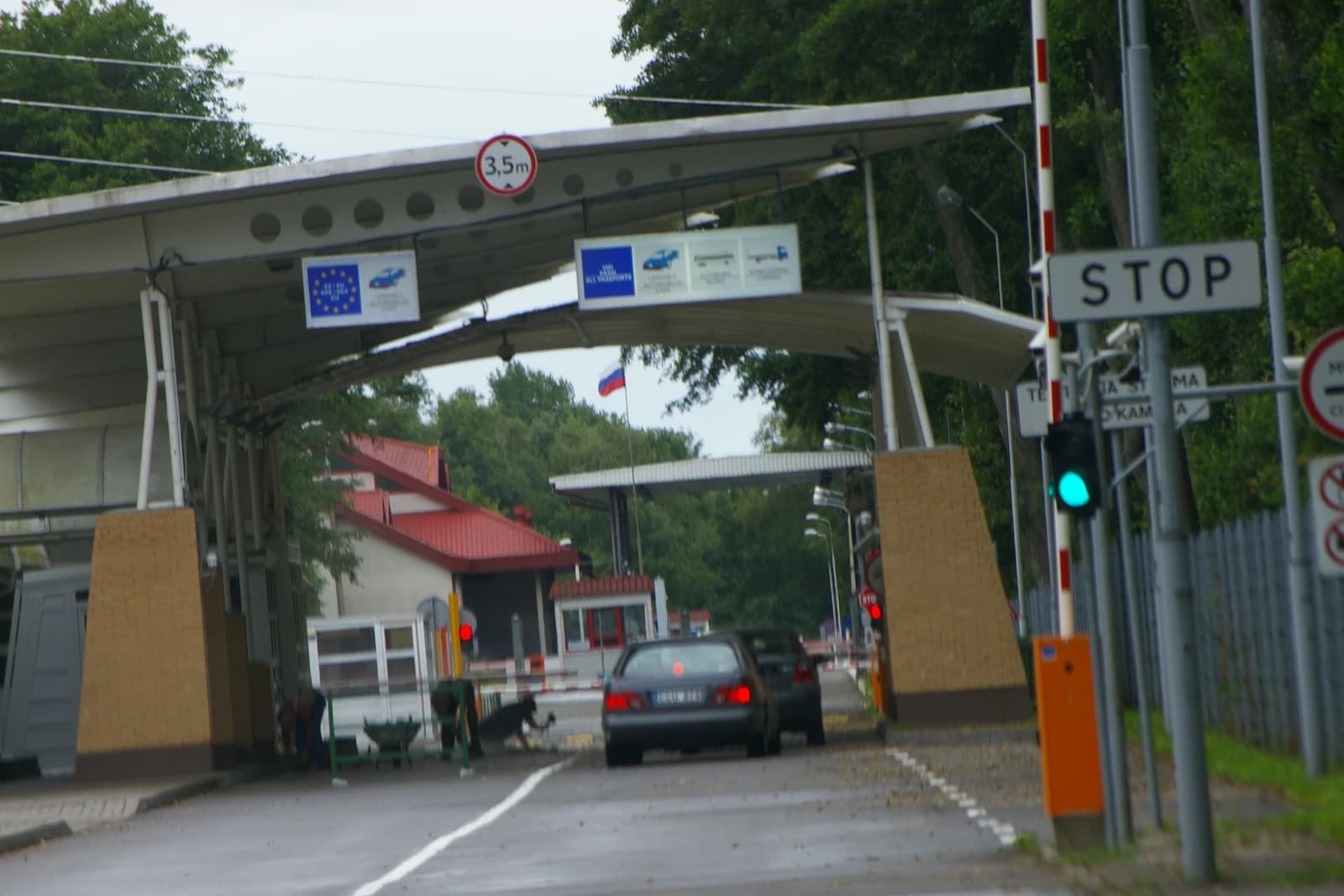
The Federal Customs Service said the closures will run from Sept. 30 through Oct. 21 and will affect several multilateral road and rail points, including Sovetsk, Chernyshevskoye, Nesterov, Mamonovo, Bagrationovsk and the Kaliningrad crossing in Baltiysk. Officials said the checkpoints will be fully de-energized during work on transformer substations and switchgear, meaning traffic will stop rather than slow.
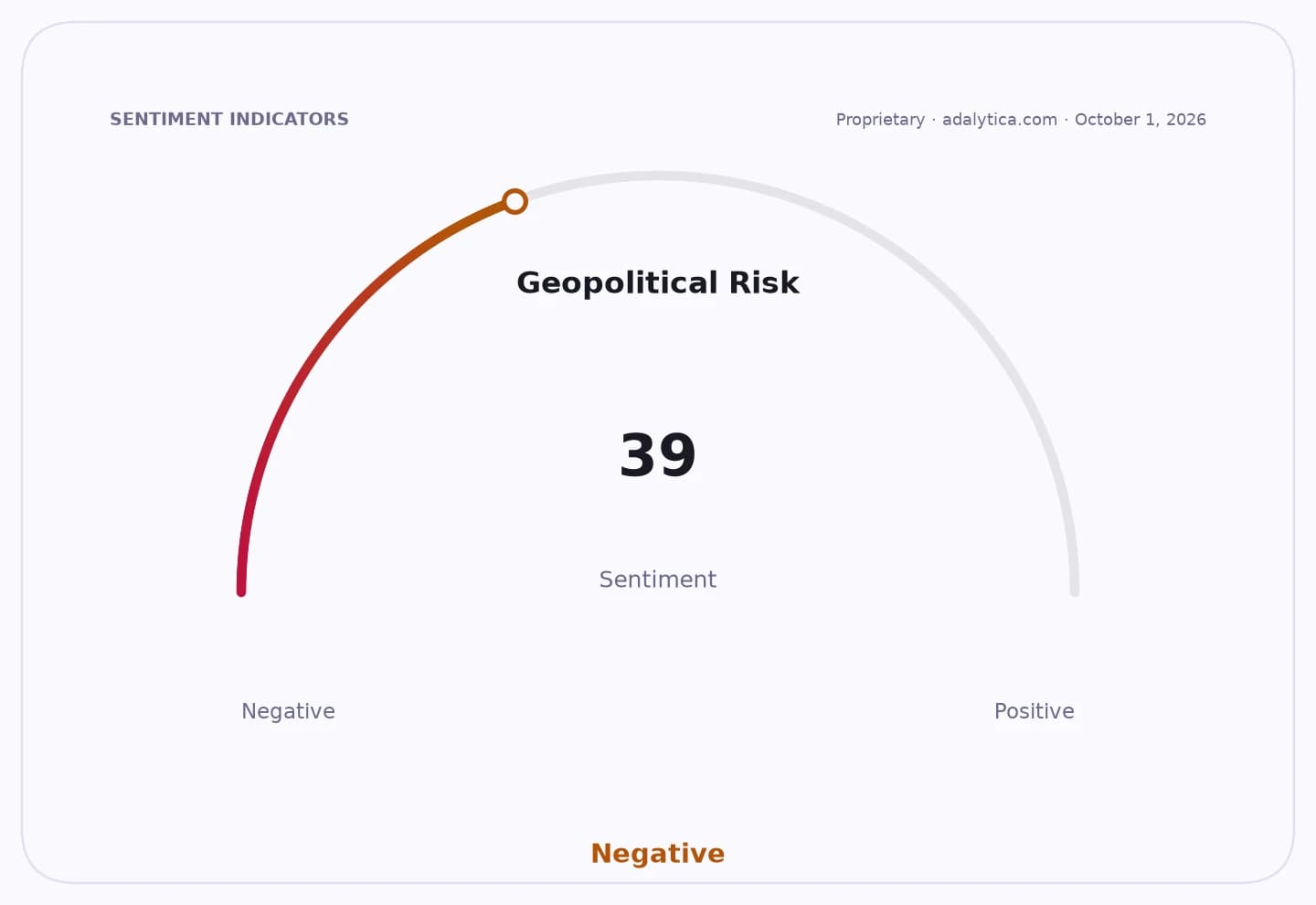
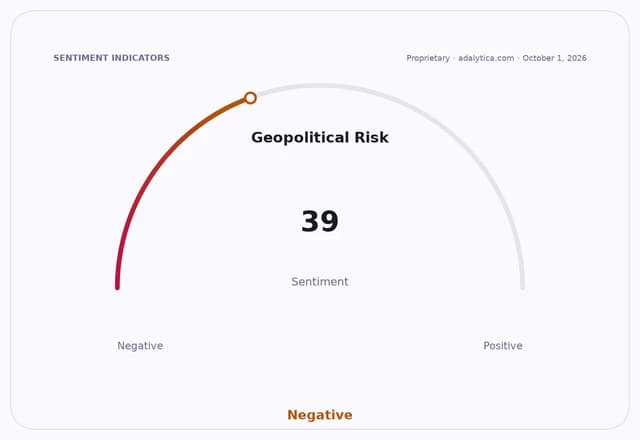
Sentiment IndicatorsⓘProprietary · adalytica.com · October 1, 2026
This is a snapshot — live sentiment, awareness and momentum for 130+ markets update continuously in the dashboard.Open AlphaPulse
That matters because Kaliningrad depends on overland access through EU territory for a large share of its civilian trade, fuel logistics and passenger movement. Even temporary restrictions underscore how vulnerable the region is to infrastructure bottlenecks and geopolitical tension, with any interruption rippling through trucking routes, customs schedules and supply chains tied to Russia’s westernmost territory.
For investors, the direct market impact is limited, but the broader signal is not. Border restrictions in this part of Europe are another reminder that the region’s logistics stack remains exposed to policy shocks and operational outages, a backdrop that tends to support defense, border-security and infrastructure spending while keeping pressure on transport-dependent trade flows. The more persistent the squeeze on transit reliability, the more the market has to price in a longer-term split between EU-adjacent logistics winners and the sanctioned or constrained routes that serve Russia.
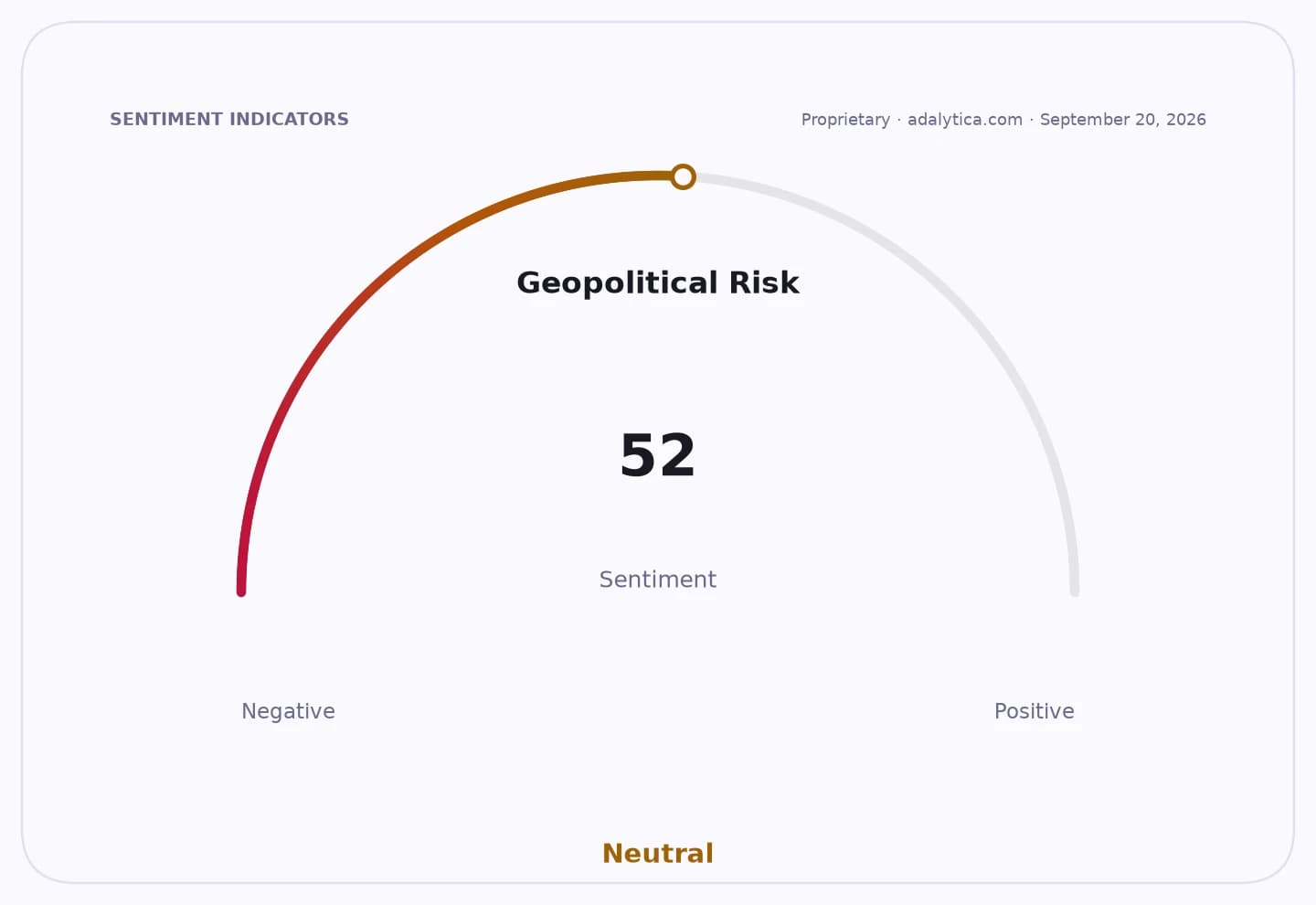
The news also lands at a time when geopolitical risk sentiment remains fragile. Adalytica’s Global Stability Sentiment sits at 39, in neutral territory, while its Euro trade signals show “extreme fear,” reflecting how quickly border disruptions can feed into risk appetite around the euro area’s eastern flank. Even if the closures are temporary and technical, they add to a pattern investors are already watching: Europe’s borders are becoming more expensive to manage, more politically sensitive and more strategically important.
If these restrictions are extended or repeated, the next round of beneficiaries is likely to be companies and funds tied to border infrastructure, surveillance, customs technology and military logistics, while regional transport operators and trade-sensitive assets remain the more exposed side of the ledger. The actionable takeaway is simple: treat Kaliningrad not as an isolated maintenance story, but as another data point in the secular rerating of European border security and resilience spending.
| Entity | Gains | Losses |
|---|