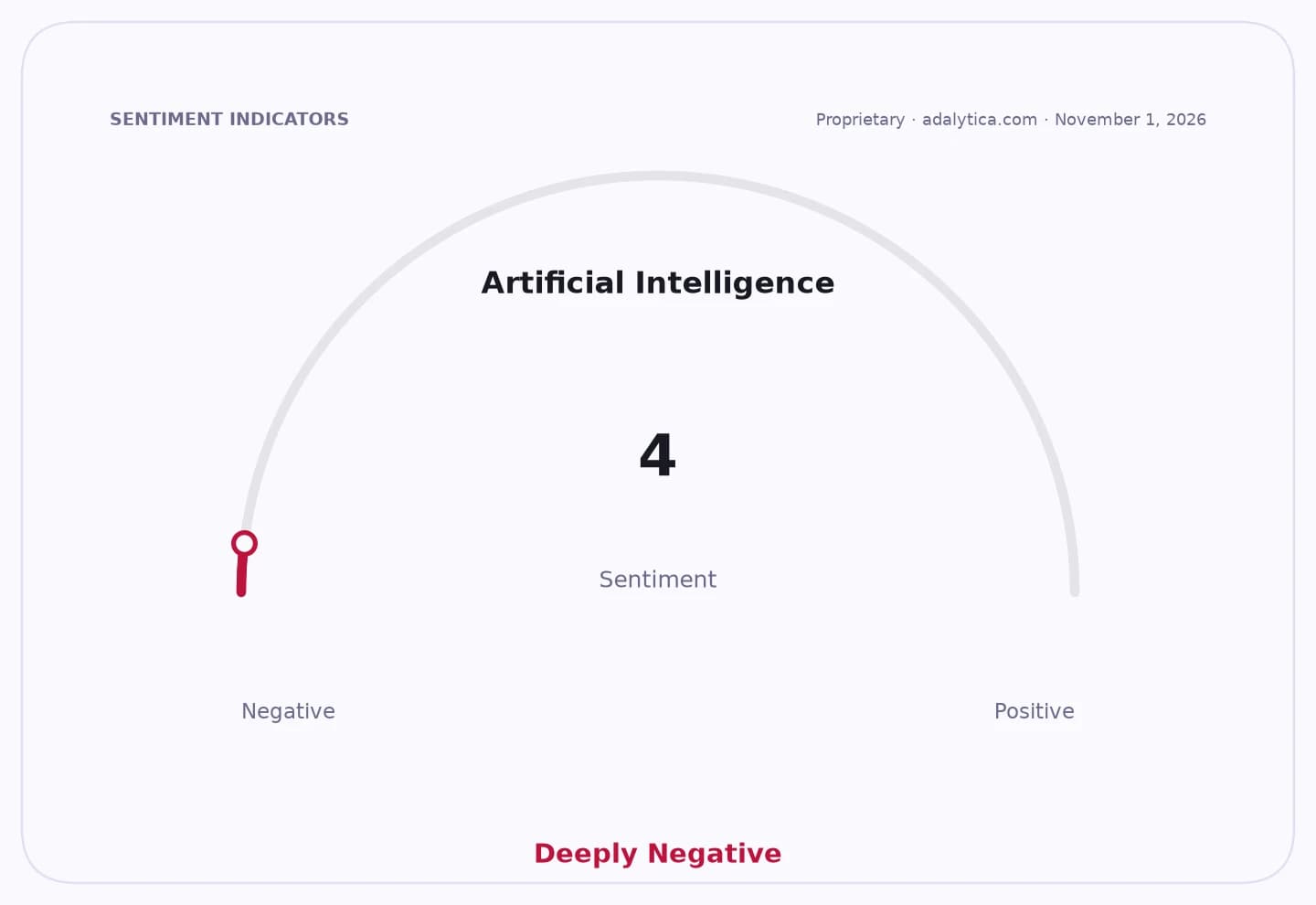
AI is not about to erase the need for office buildings, but it is already changing how companies think about space, and that matters for landlords, developers and long-term investors in the sector.
AI and Poland Office Market Shift Toward Prime Space
The bigger economic point is not mass office abandonment. It is uncertainty. As businesses use artificial intelligence to redesign workflows, they are becoming less certain about how many desks they need, where their teams should sit and which functions deserve prime space. That tends to slow expansion, favor renewals over growth and put pressure on weaker buildings long before it produces any dramatic collapse in demand.
That is exactly the pattern now visible in Poland’s office market, where the first wave of efficiency gains came from hybrid work and the next could be driven by AI. Cushman & Wakefield says demand will not disappear, but the balance between existing and new projects is shifting. The best buildings in the biggest cities should keep their appeal, while new developments face greater risk as tenants optimize more carefully.
For investors, that is a very important distinction. In office real estate, pricing power usually follows scarcity and quality, not just headline vacancy. In Warsaw’s central districts, vacancy fell to 4.3% in the third quarter of 2026, the lowest since 2008, showing that premium space is still in demand. But on Poland’s eight main regional markets, renegotiations accounted for 46% of leasing volume, while expansions made up just 8%, a sign that many occupiers are choosing to preserve optionality rather than commit to bigger footprints.
That shift should help owners of prime assets and hurt owners of older, more commoditized space. It also means new supply has to be much more carefully underwritten, because tenants are no longer buying square meters for square meters’ sake. They are buying flexibility, quality and location that help them attract talent and support more strategic work.
The broader story is that AI is changing the type of work that happens in offices, not eliminating offices themselves. In Poland’s business services sector, 84.4% of centers already use generative AI, but the technology currently supports only about one-fifth of processes. That suggests the transformation is still early. Employment in the sector is still rising, and companies are still hiring for AI implementation. In other words, this is a reallocation story, not a disappearance story.
For long-term investors, that is why the office market should be viewed with nuance, not panic. Prime buildings in top locations can remain durable cash generators, while secondary stock may face more pressure from slower leasing and weaker renewal economics. Names such as Vornado Realty Trust, Boston Properties and SL Green all sit inside that same quality-versus-obsolescence debate. The winners will be landlords whose buildings can support high-value, collaboration-heavy and client-facing work. The losers will be owners who assume every tenant will keep paying for the same layout forever.
The next few years should bring more sorting, not less demand. If you own office exposure, focus on location, asset quality and balance-sheet strength. If you are looking for a secular theme, AI may be a headwind for gross square footage, but it could still be a tailwind for the best space in the best cities. For patient investors, that makes select office REITs worth watching, not writing off.
| Entity | Gains | Losses |
|---|---|---|
| Prime office landlords | ▲tighter vacancy, pricing power | ▼less |
| Secondary office owners | ▲— | ▼weaker leasing, more risk |
| Tenants | ▲flexibility, renewal leverage | ▼less need to expand |
| Long-term investors in quality REITs | ▲durable cash flow | ▼obsolete assets |