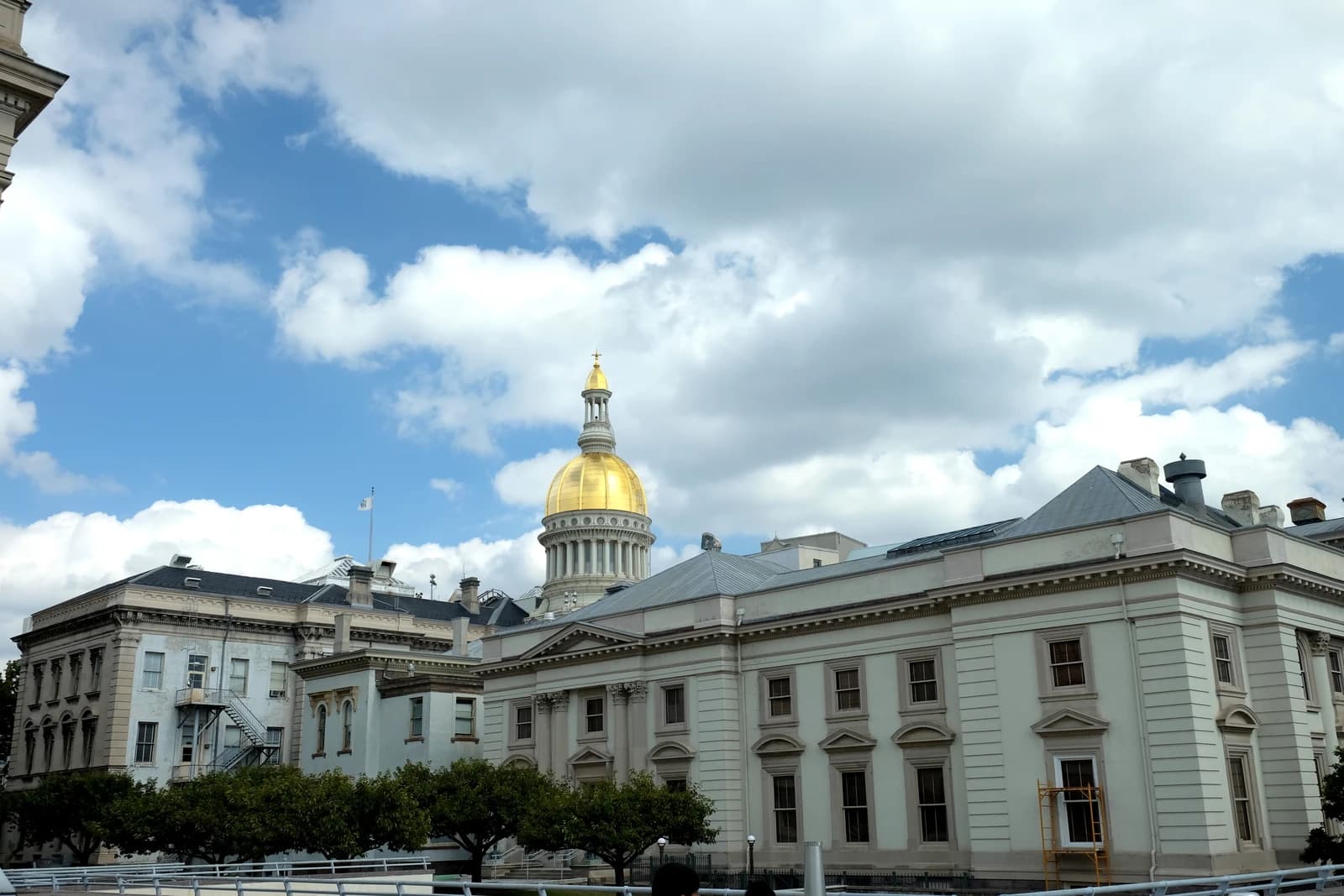
New Jersey’s fight over new AI data centers is becoming a test of whether the state can keep courting one of the hottest infrastructure booms in the market without triggering a backlash from voters, towns and regulators.
New Jersey AI Data Center Permitting Fight
That matters because AI buildouts are no longer a niche tech story. They are driving sales growth for suppliers such as Penguin Solutions and feeding a wider capex cycle across the technology stack, from chips to networking to power systems. But the same projects are now colliding with local resistance over noise, land use, power demand and environmental strain, leaving developers facing a familiar dilemma: push ahead and risk litigation and permitting delays, or scale back and risk losing the very demand that makes the projects bankable.
Sentiment IndicatorsⓘProprietary · adalytica.com · October 12, 2026
This is a snapshot — live sentiment, awareness and momentum for 130+ markets update continuously in the dashboard.Open AlphaPulse
The political stakes are rising just as the economics get larger. States and municipalities want the jobs, tax base and signaling value that come with hosting AI infrastructure, but they also inherit the costs — grid upgrades, water use, transmission bottlenecks and community anger over industrial-scale facilities near homes. That tension has made data centers an election issue in some US races, and New Jersey looks set to become another flashpoint in a broader national fight over who pays for the AI era.
For investors, the issue goes beyond one state. The boom in AI data centers has been a major support for suppliers and equipment makers, and the sector’s momentum has helped underpin broader sentiment around AI-related equities. But if permitting becomes slower and more political in key markets, the result could be uneven project timing, higher financing costs and more volatility in order flow. Companies tied to buildout and commissioning — including infrastructure vendors and operators with exposure to expansion cycles — face the risk that growth forecasts get deferred even if demand remains intact.
That helps explain why the market has remained enthusiastic about the theme even as the policy backdrop darkens. Adalytica’s AI sentiment gauge shows greed at 79, while awareness sits in extreme fear, a combination that suggests investors remain upbeat on the trade but increasingly alert to execution and regulatory risk. In the broader equity market, the S&P 500 sentiment reading is also in greed territory, underscoring how much of the AI trade still depends on continued confidence in infrastructure spending.
The corporate backdrop reinforces that point. Microsoft, one of the heaviest spenders on cloud and AI infrastructure, has warned in filings that securing and operating capacity is subject to evolving competitive, economic and regulatory constraints, while also flagging permitting and environmental rules as potential sources of delay and added cost. Nvidia has likewise said it is making long-term commitments around land, power and capacity to support customer deployment. Those disclosures show the industry’s central vulnerability: the AI race is capital intensive, but capital does not remove the need for local approval.
For New Jersey, the choice is politically awkward and economically consequential. Refusing projects could mean losing investment to friendlier states with faster approvals and looser siting rules. Approving them, meanwhile, risks angering residents who see the projects as power-hungry industrial intrusions with uncertain local benefits. The result is a policy trap in which every option imposes a cost.
Investors should watch whether local opposition turns into a broader permitting slowdown, because the sector is priced on the assumption that AI infrastructure keeps expanding at pace. If New Jersey becomes a template, it could reshape the geography of the US data center boom, favoring states that can clear projects faster and making regulatory certainty as important as power availability.
| Entity | Gains | Losses |
|---|---|---|
| Data center developers | ▲Faster buildout if approved | ▼Permitting delays and lawsuits |
| New Jersey towns/residents | ▲More leverage over siting | ▼Industrial traffic, noise, grid strain |
| AI suppliers | ▲Continued infrastructure demand | ▼Deferred orders if projects stall |
| Investors in AI buildout names | ▲Growth from capex cycle | ▼Higher policy and execution risk |