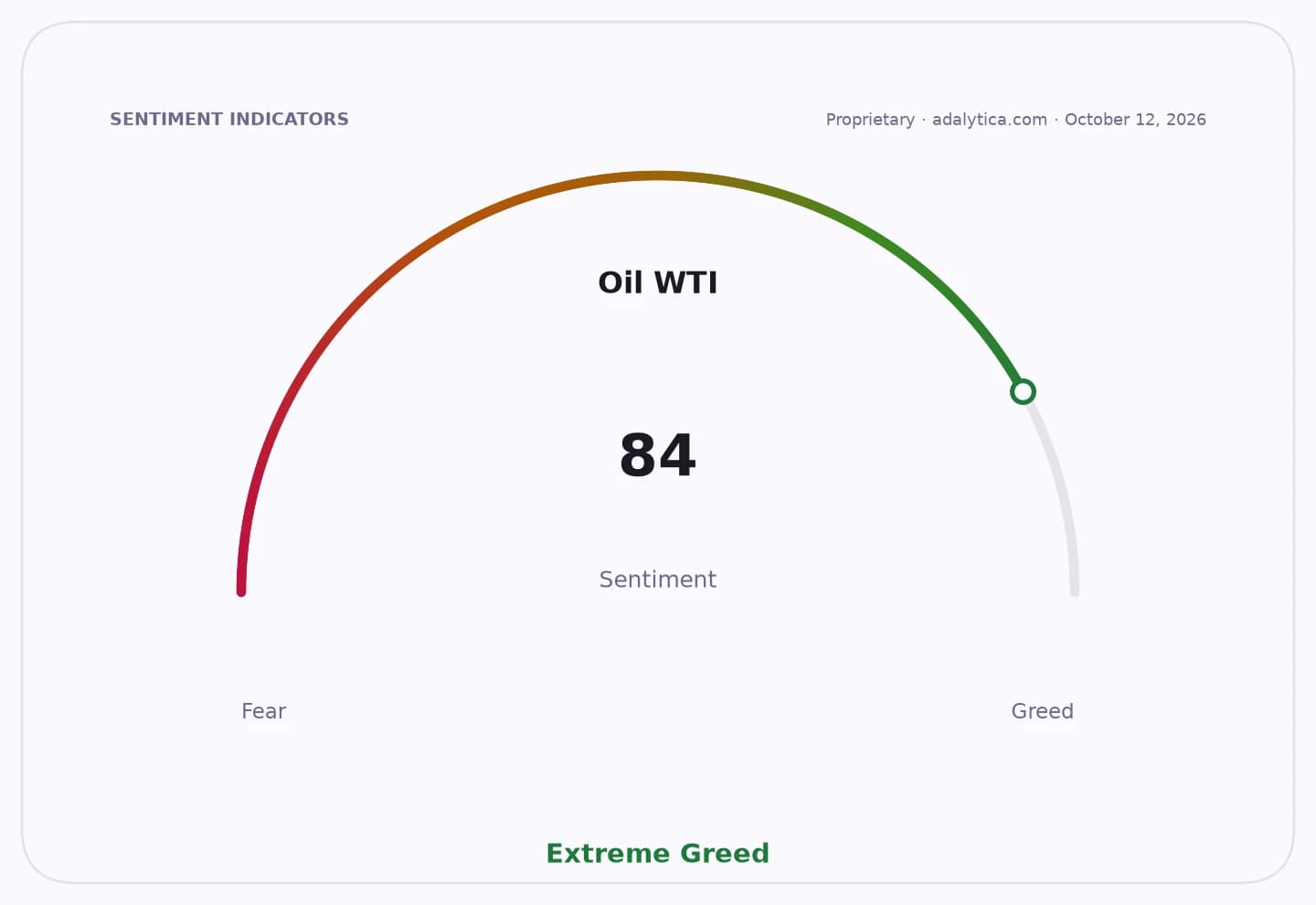
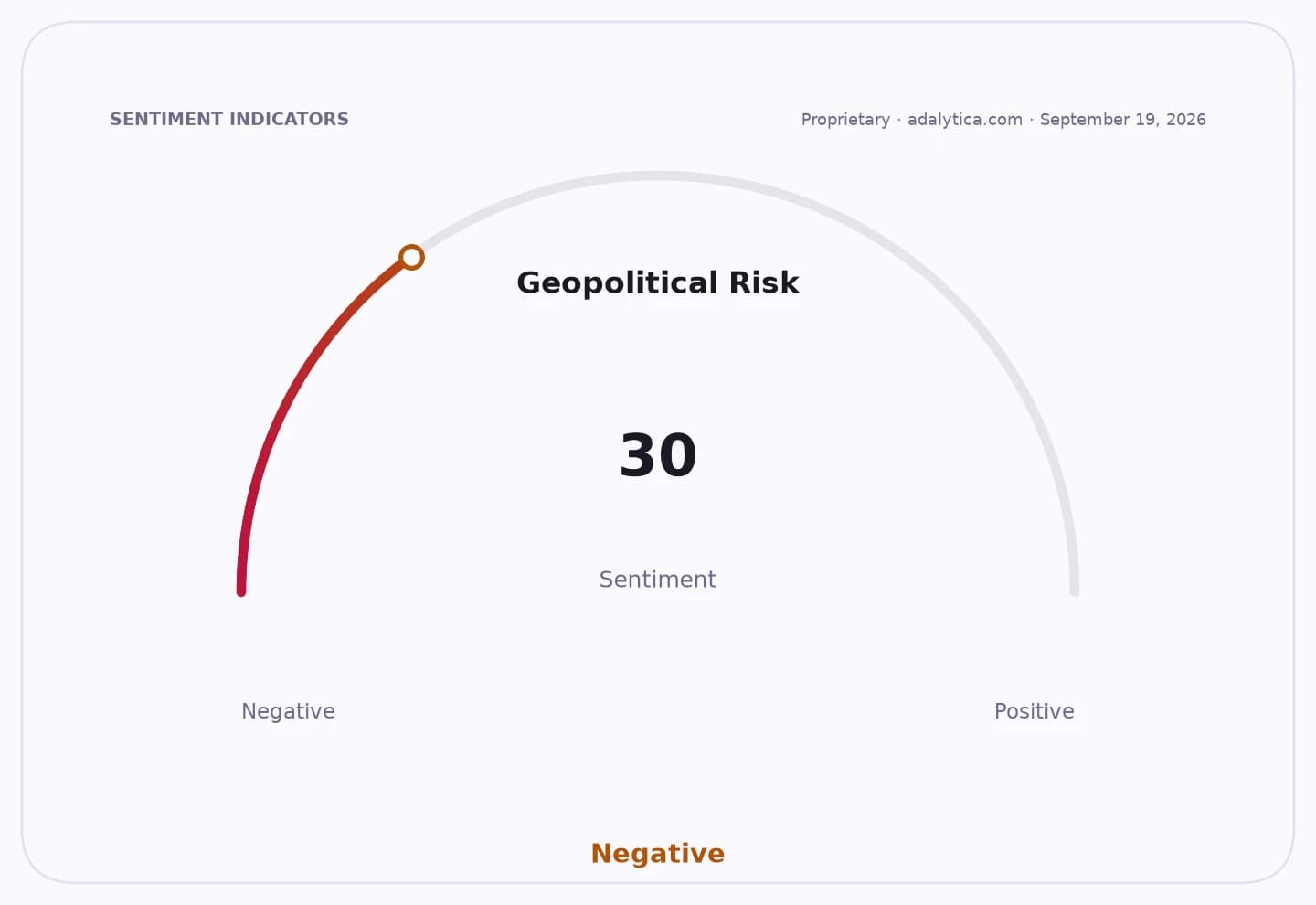
The U.S. has pulled its bombers back from RAF Fairford in England after what President Donald Trump described as threats that could be linked to Iran, a move that underscores how quickly security risks in the Middle East are forcing changes in American military posture in Europe.
U.S. bombers leave RAF Fairford after Iran threats
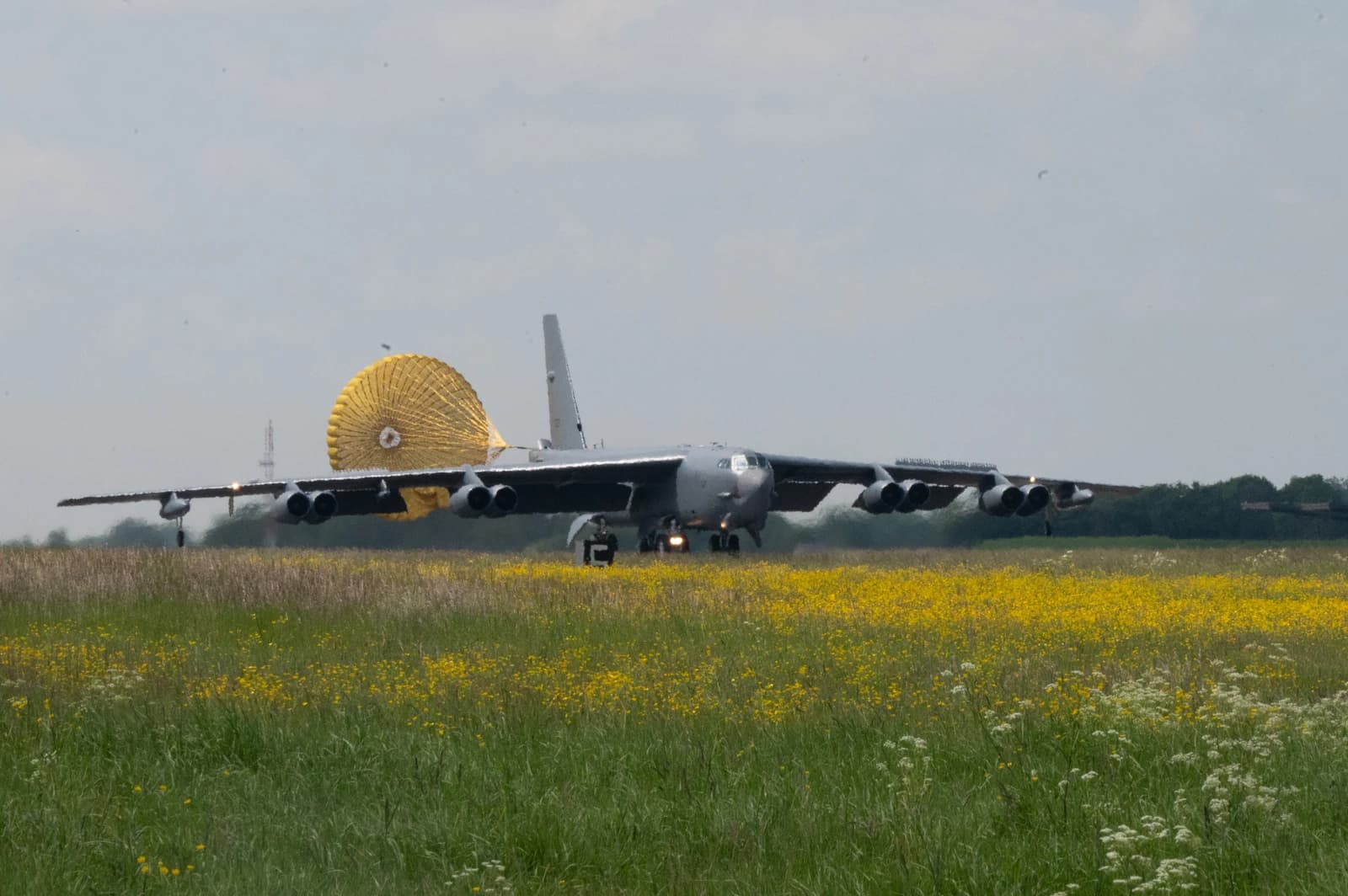
Trump told reporters the aircraft were moved “not very far” and that the shift cost “very little,” framing the redeployment as a precaution rather than a major operational change. But the decision matters because it suggests U.S. commanders and the White House are treating the threat environment as credible enough to alter the physical exposure of strategic assets, even at a base used for bomber operations that support deterrence and power projection.
Sentiment IndicatorsⓘProprietary · adalytica.com · October 6, 2026
This is a snapshot — live sentiment, awareness and momentum for 130+ markets update continuously in the dashboard.Open AlphaPulse
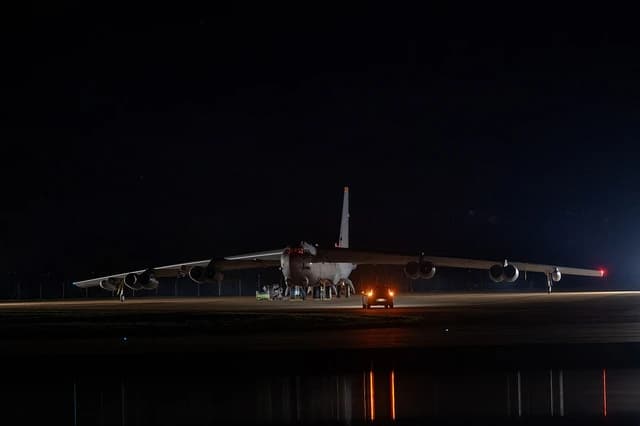
The Pentagon later confirmed that all U.S. bombers deployed to RAF Fairford had returned to their home bases in the United States. That confirmation gives weight to Trump’s remarks and points to a broader recalibration of force protection as Washington weighs the risk of retaliation from Iran or Iran-linked actors. In practical terms, moving bombers away from a vulnerable forward base reduces exposure to drone or sabotage threats, but it can also complicate rapid-response options and signal caution at a sensitive moment in U.S.-Iran tensions.
For investors, the immediate relevance is less about the aircraft themselves than about the possibility of a widening security shock that could affect energy markets, defense spending and risk appetite. Heightened Iran-related tensions typically lift crude oil risk premiums, support defense contractors and pressure broader equities if markets begin to price in a larger regional conflict. The same dynamic can feed into currencies and safe-haven demand if traders see the issue as part of a broader geopolitical flare-up.
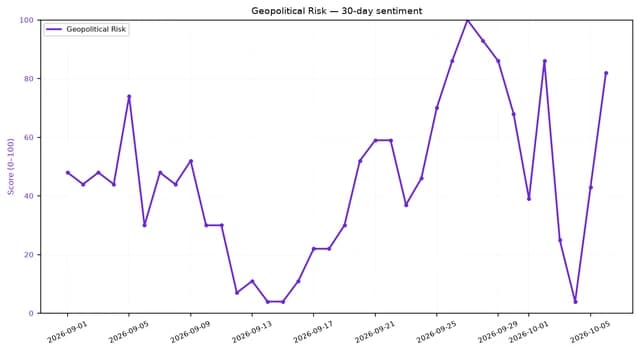
The market backdrop already shows how sensitive investors are to conflict risk. Defense shares have been among the clearer beneficiaries of a more dangerous geopolitical environment, while sentiment in broader risk assets can turn quickly when the Middle East dominates headlines. That makes the bomber withdrawal relevant not only as a military decision, but as a fresh reminder that geopolitical risk remains a live macro variable, not a background noise.
The bull case for defense names is straightforward: a more volatile security environment supports higher procurement urgency, more sustainment spending and stronger long-cycle demand for platforms, munitions and surveillance systems. The bear case is that if the move proves precautionary and does not lead to sustained escalation, the market reaction may fade quickly, leaving only short-lived risk-off trades and little change in underlying fundamentals.
What happens next will depend on whether the threat remains isolated or becomes part of a broader cycle of retaliation and countermeasures. If the security situation deteriorates, markets will likely focus on oil, shipping lanes, U.S. force posture and defense suppliers. If tensions ease, the bomber redeployment may be remembered as a tactical adjustment — but it still shows how the prospect of Iranian retaliation can shape U.S. military decisions far from the Gulf.
| Entity | Gains | Losses |
|---|---|---|
| Defense contractors | ▲Higher security demand | ▼If tensions fade quickly |
| Oil producers | ▲Geopolitical risk premium | ▼Demand shock if conflict deepens |
| U.S. military planners | ▲Lower base vulnerability | ▼Reduced forward presence |
| Global risk assets | ▲— | ▼Higher volatility, lower appetite |