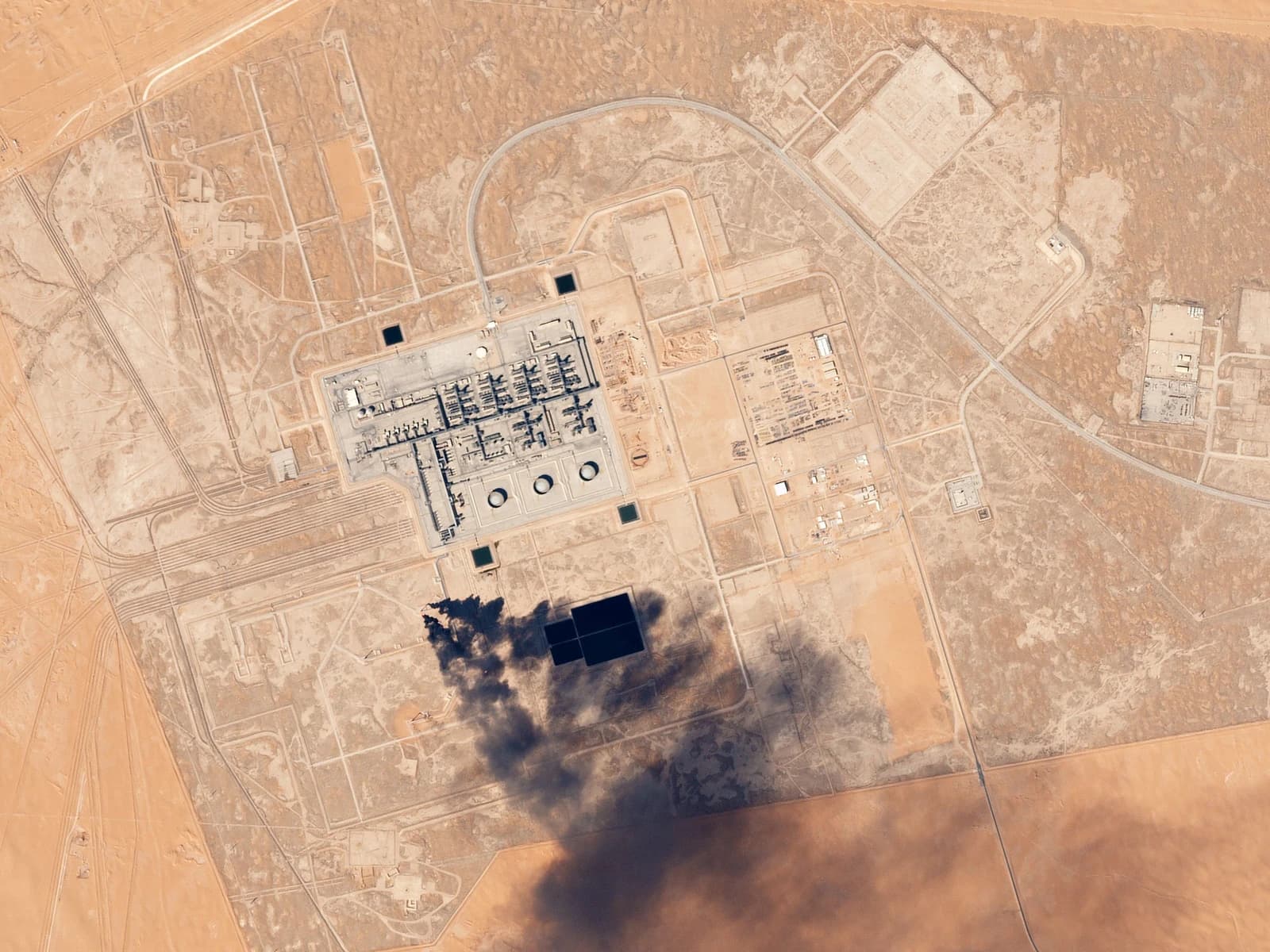
France is sending troops, radar and air-defense systems to Saudi Arabia’s Yanbu oil hub as Houthi missile and drone attacks on the kingdom intensify, a move that adds protection to one of the Gulf’s most important energy export routes and highlights how quickly the Yemen war is spilling into global oil security.
France sends air defenses to Saudi Arabia's Yanbu hub
President Emmanuel Macron said the deployment is meant to strengthen defenses around Yanbu, a Red Sea energy center linked to Saudi Arabia’s East-West pipeline, rather than put French forces into direct combat with the Houthis. The pipeline can move roughly 7 million barrels a day and allows Saudi crude to bypass the Strait of Hormuz, making Yanbu a strategic backstop for global supply if Gulf shipping lanes come under pressure.
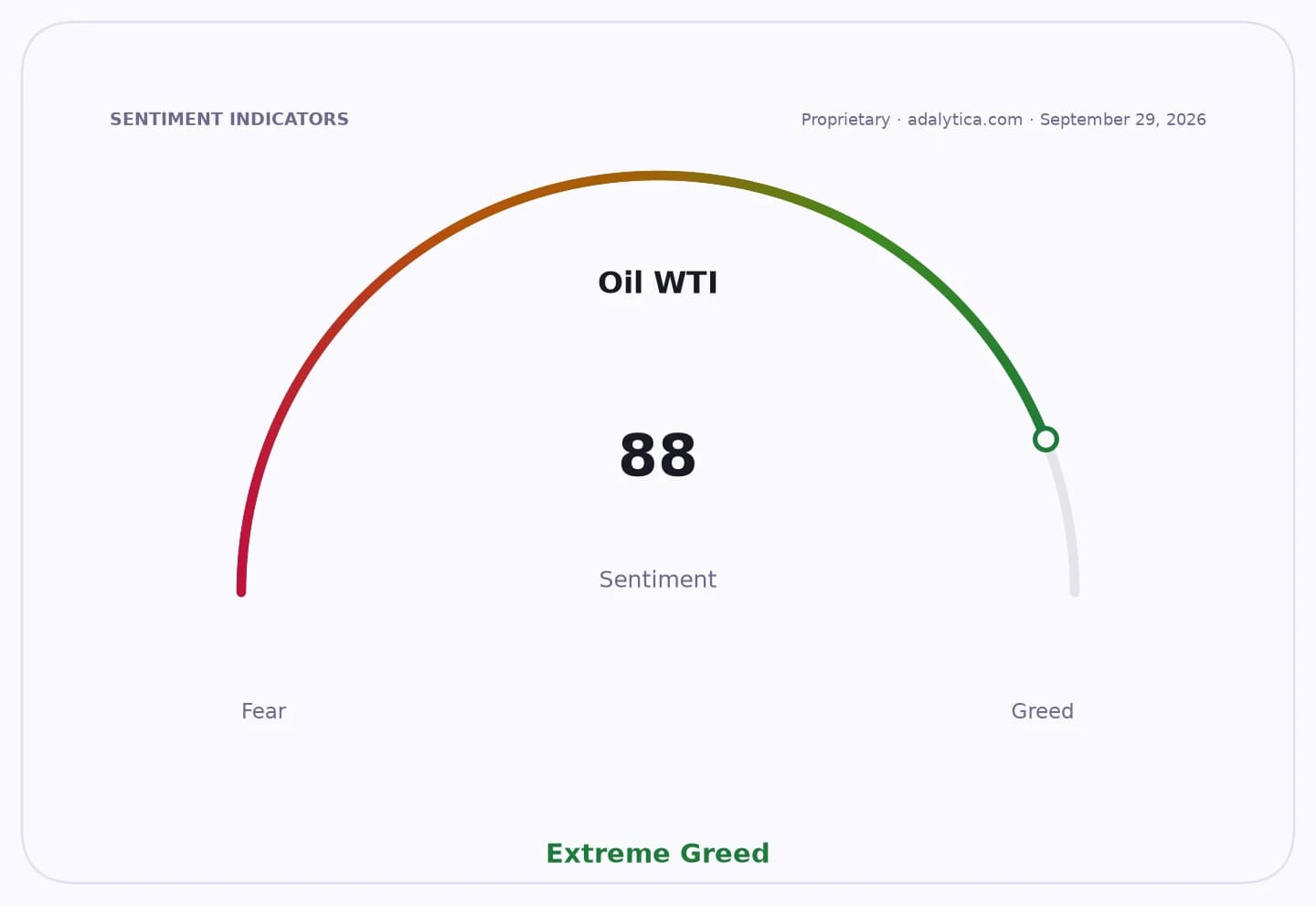
Sentiment IndicatorsⓘProprietary · adalytica.com · October 1, 2026
This is a snapshot — live sentiment, awareness and momentum for 130+ markets update continuously in the dashboard.Open AlphaPulse
The announcement matters because it plugs a gap in regional security at a moment when the U.S. has kept its distance from direct military involvement and Pakistan and Turkey have not offered comparable assistance. With Saudi installations facing repeated missile and drone threats, the French deployment gives Riyadh an extra layer of air defense around storage and refining assets that are critical to exports and domestic energy resilience.
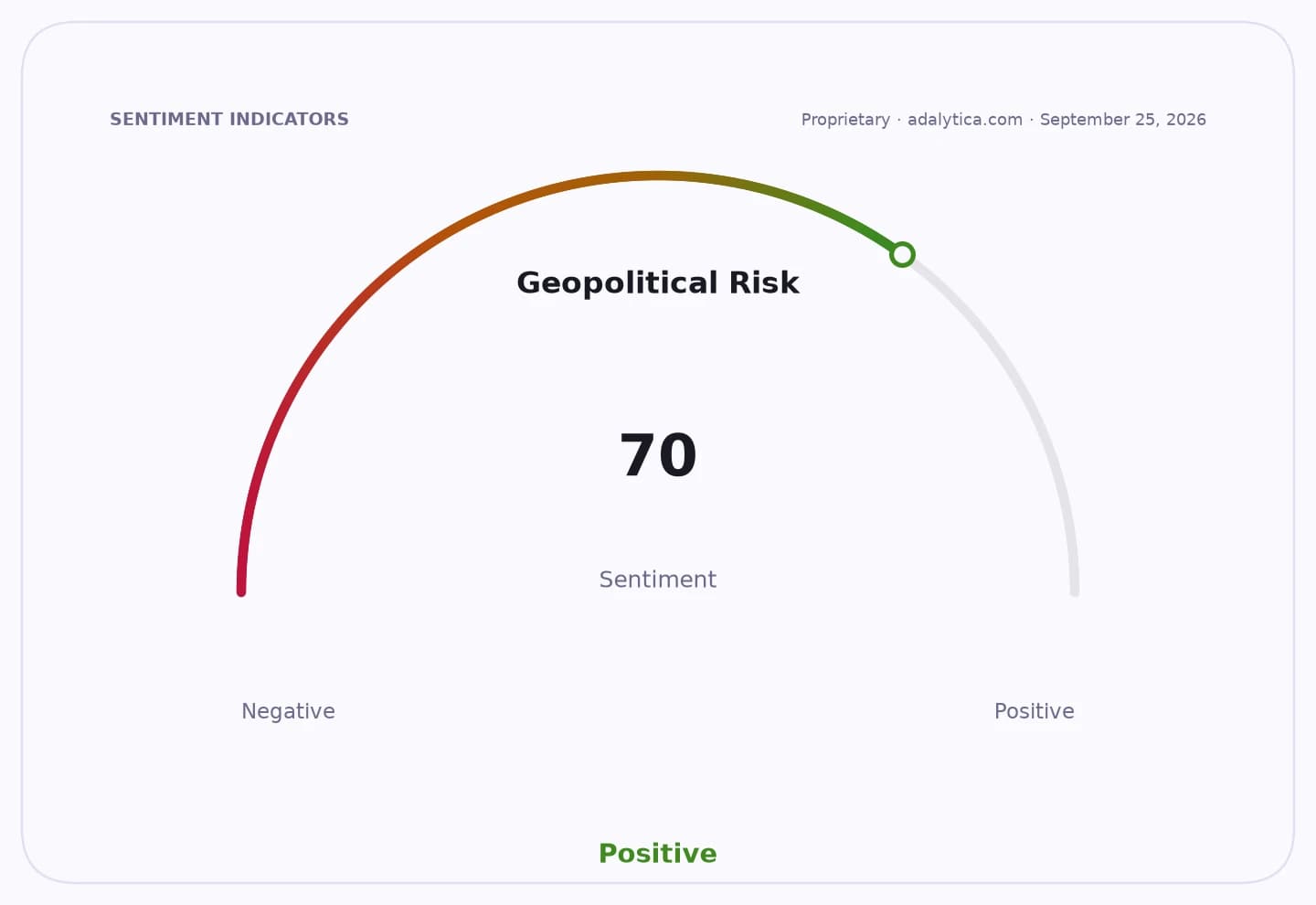
For investors, the immediate read-through is for lower tail risk to oil supply and to energy-related equities, even if the conflict remains contained. Brent and refined-product markets tend to react fastest when risk rises around Red Sea and Gulf infrastructure, and the extra French support may help cap fears of an abrupt disruption to Saudi output or pipeline flows.
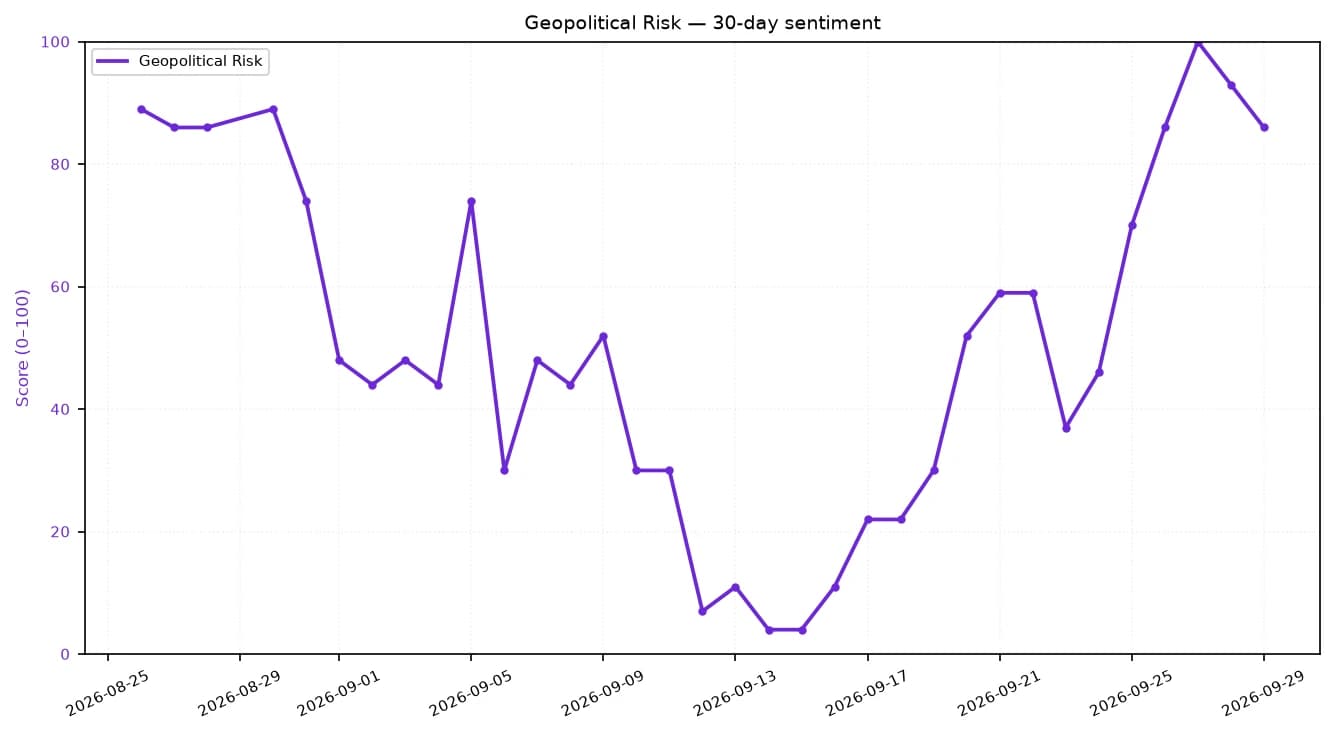
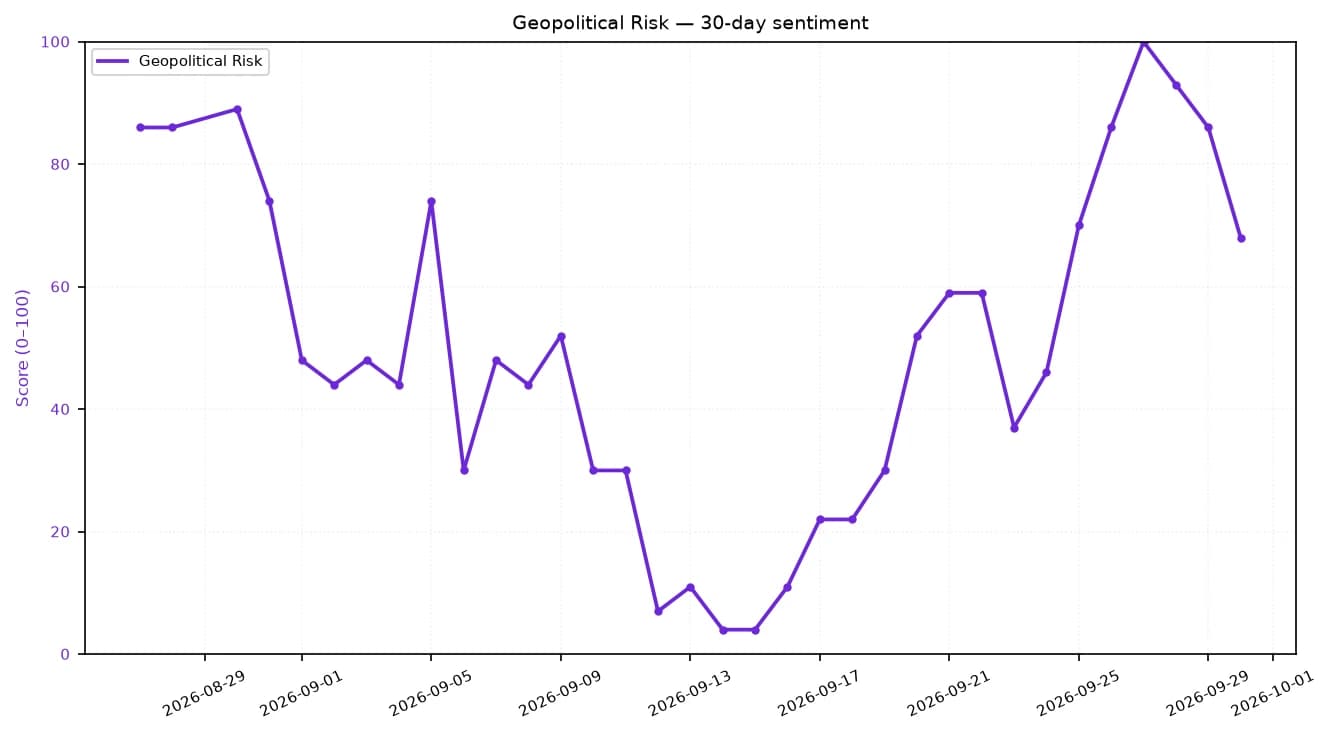
The move also underscores the widening security cooperation between Paris and Riyadh after Macron and Crown Prince Mohammed bin Salman pledged deeper defense ties in August. The timing is important: recent Houthi attempts to strike Yanbu and Saudi claims of intercepting missiles show the conflict remains active, while the UN Security Council has backed Saudi Arabia’s right to self-defense and warned the Houthis to stop their attacks.
XLE, which tracks U.S. energy stocks, has been volatile alongside the conflict risk, while aerospace and defense names such as ITA and Lockheed Martin have also seen heavy trading as investors weigh the chance of more regional military spending. On recent technical readings, XLE has been trading near its 50-day moving average, while ITA and LMT have both pulled back from earlier highs, suggesting markets are still pricing geopolitical risk but not yet a full-blown supply shock.
The near-term catalyst is whether Houthi attacks intensify further and force more outside military support for Saudi infrastructure. If they do, oil, defense and shipping markets are likely to react quickly; if not, the French move may mainly serve as a deterrent that keeps one of the world’s key crude export corridors open.
| Entity | Gains | Losses |
|---|---|---|
| Saudi Arabia | ▲Stronger oil-hub defense | ▼Higher security burden |
| France | ▲Bigger Gulf security role | ▼Risk of regional entanglement |
| Oil producers | ▲Lower supply disruption risk | ▼More war premium volatility |
| Houthis | ▲— | ▼Harder target, more deterrence |