Rising geopolitical risk around Iran is rippling through energy and safe-haven markets as Britain accuses Tehran of involvement in a security breach near RAF Fairford and Washington prepares a response to Iran’s latest offer to end hostilities.
Iran tensions lift oil, gold and dollar
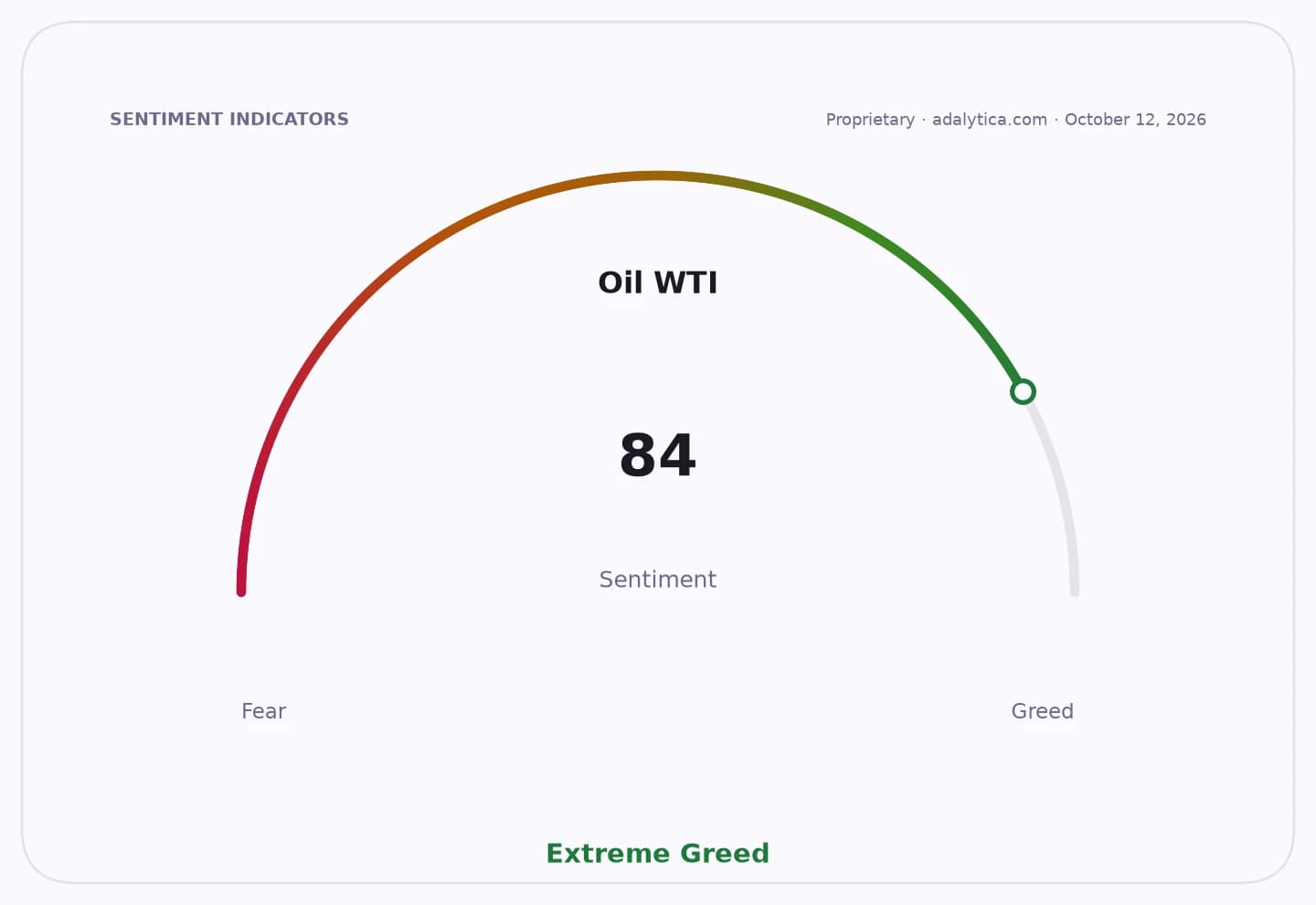
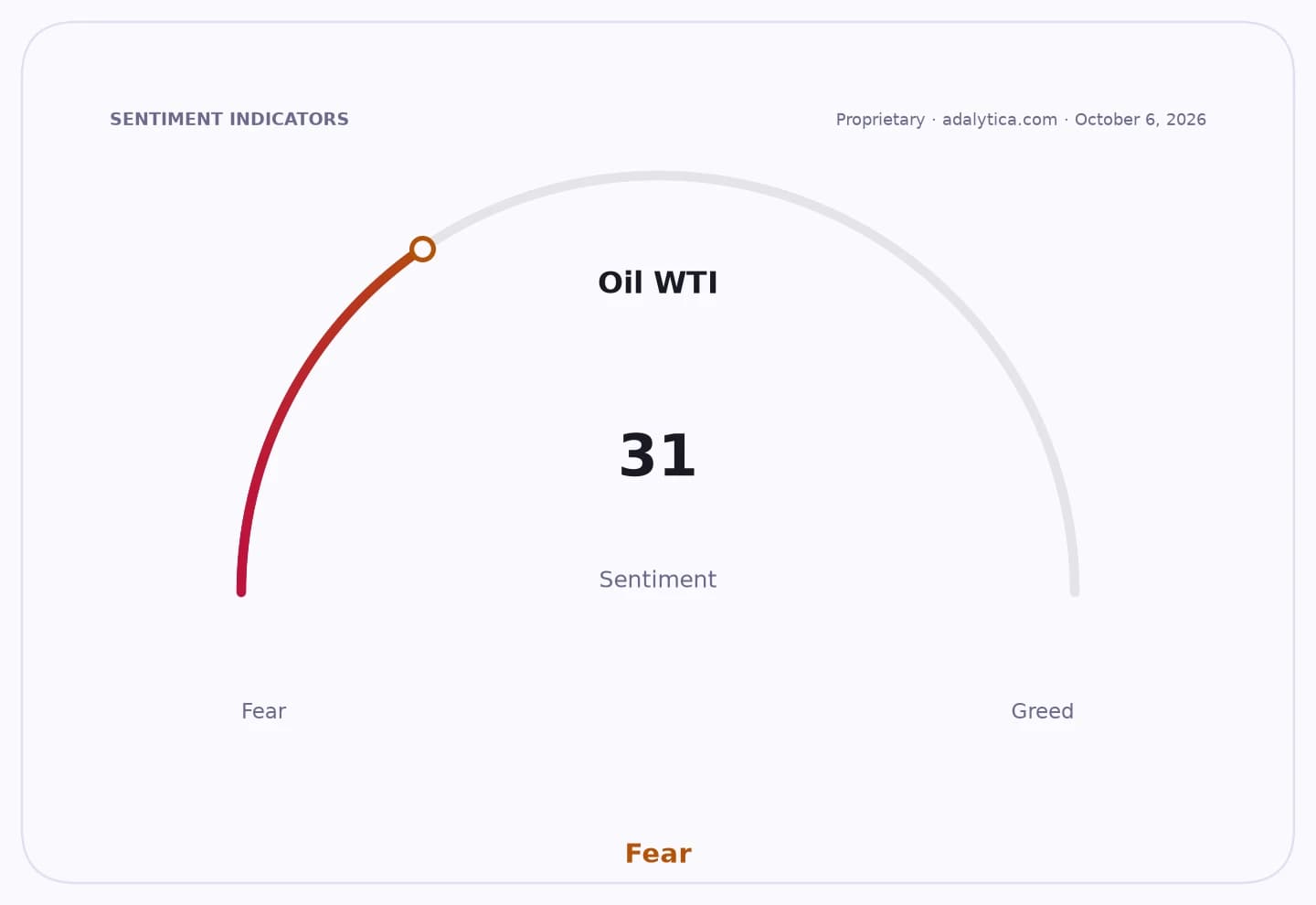
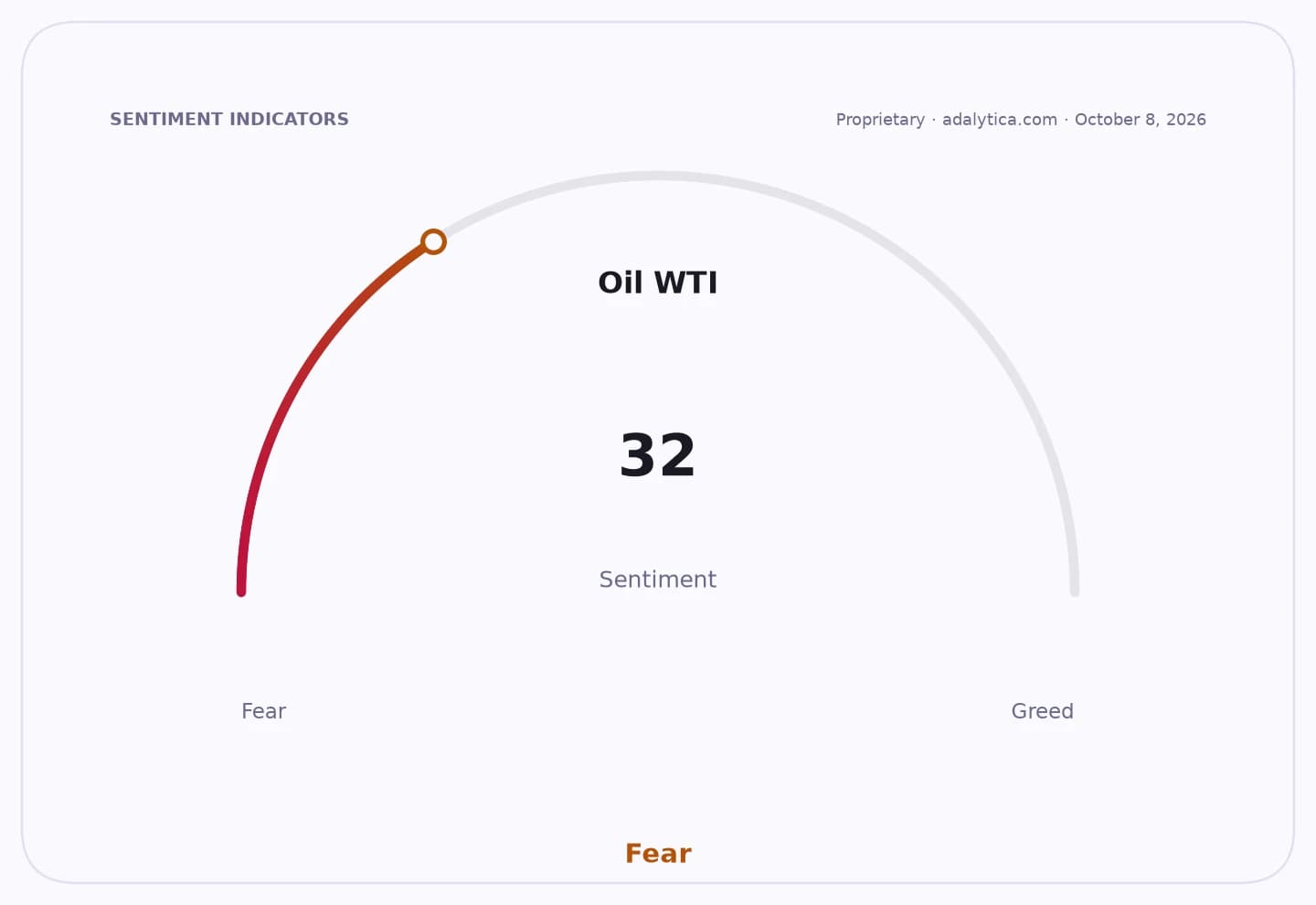
The immediate economic significance is in crude oil and risk assets. USO, which tracks front-month US oil exposure, rose to $151.46 on Oct. 12 after touching $147.58 two sessions earlier, while Adalytica’s WTI trade signal sits at 84, in “greed” territory. Gold has also stayed bid, with GLD at $381.91 even after a recent pullback from this year’s highs. The moves suggest traders are still assigning a meaningful premium to Middle East and wider geopolitical disruption even as headline diplomacy continues.
Sentiment IndicatorsⓘProprietary · adalytica.com · October 12, 2026
This is a snapshot — live sentiment, awareness and momentum for 130+ markets update continuously in the dashboard.Open AlphaPulse
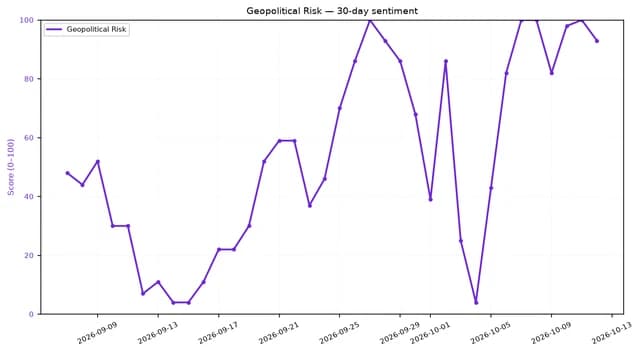
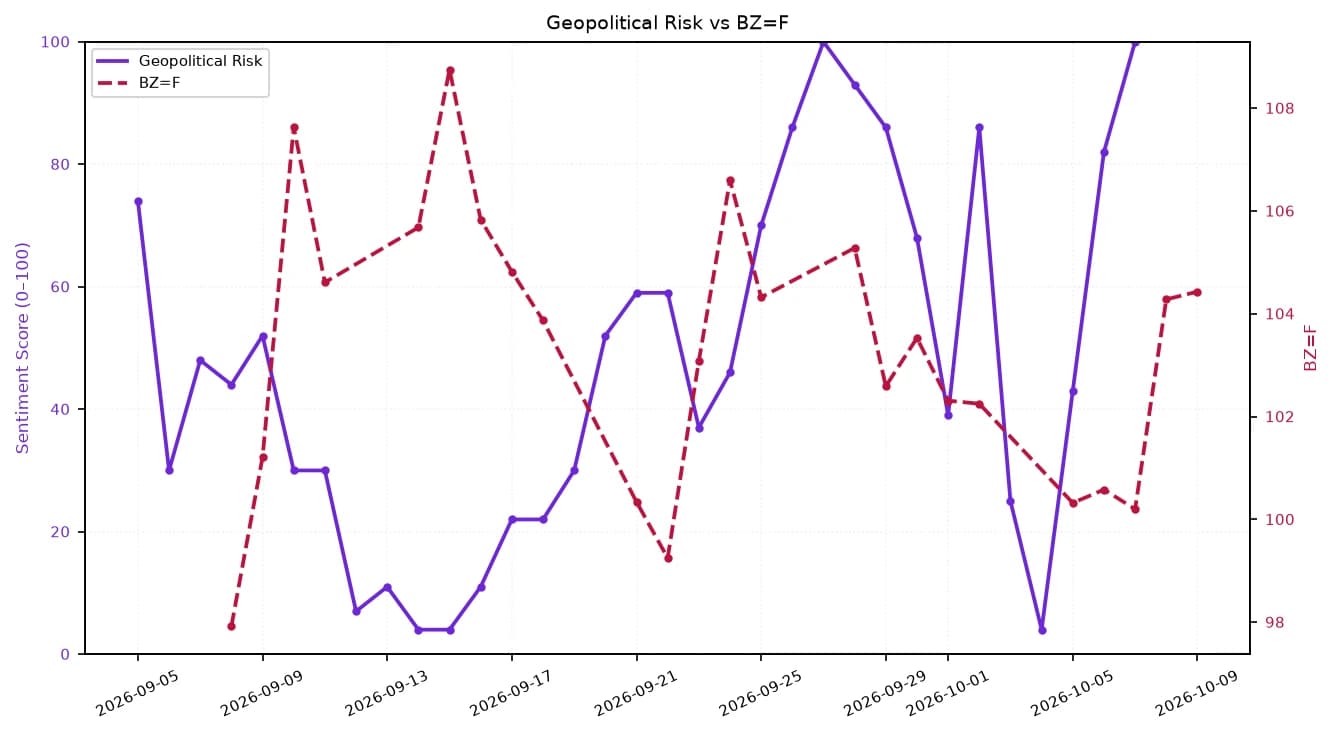
That premium matters because Iran sits at the intersection of global oil supply, shipping security and regional force projection. Any escalation around Tehran or its network of proxies raises the odds of supply interruptions, higher freight and insurance costs, and tighter conditions for importers already facing elevated commodity prices. The market reaction also fits a broader pattern: when Middle East tensions intensify, the dollar typically catches a bid and defensive assets outperform. Adalytica’s US dollar trade signal is at 82, while its Global Stability reading shows “Extreme Greed,” underscoring a market environment still biased toward hedging.
The British allegation near RAF Fairford adds a fresh Western security angle to a dispute already shaped by intermittent military confrontations, sanctions pressure and stalled diplomacy. Iran’s denial lowers the chance of an immediate policy shift, but the fact that Tehran says it has received an official US response to its latest proposal keeps a diplomatic channel open. That combination — accusations on one side, tentative engagement on the other — is what is keeping volatility in play rather than allowing a full de-escalation trade to take hold.
For investors, the key question is not whether one headline moves prices for a day, but whether the standoff widens into a sustained supply-risk story. Bullish positioning in oil and the resilience of gold imply some traders are betting that tensions will keep a floor under commodities. The bearish case is that diplomacy stabilizes the situation and risk premia unwind, which would pressure energy prices and support cyclicals and import-sensitive sectors.
What to watch next is any confirmation from Washington on the substance of its response to Iran, along with signs that UK accusations translate into coordinated Western action. Until then, markets are likely to keep treating Iran as a live geopolitical risk rather than a resolved one.
| Entity | Gains | Losses |
|---|---|---|
| Oil bulls | ▲Higher risk premium | ▼Peace-driven pullback |
| Gold holders | ▲Safe-haven demand | ▼Reduced tension |
| Dollar bulls | ▲Flight-to-quality bid | ▼Softer risk aversion |
| Importers and airlines | ▲Lower fuel costs if tensions ease | ▼Higher hedging costs if escalation grows |