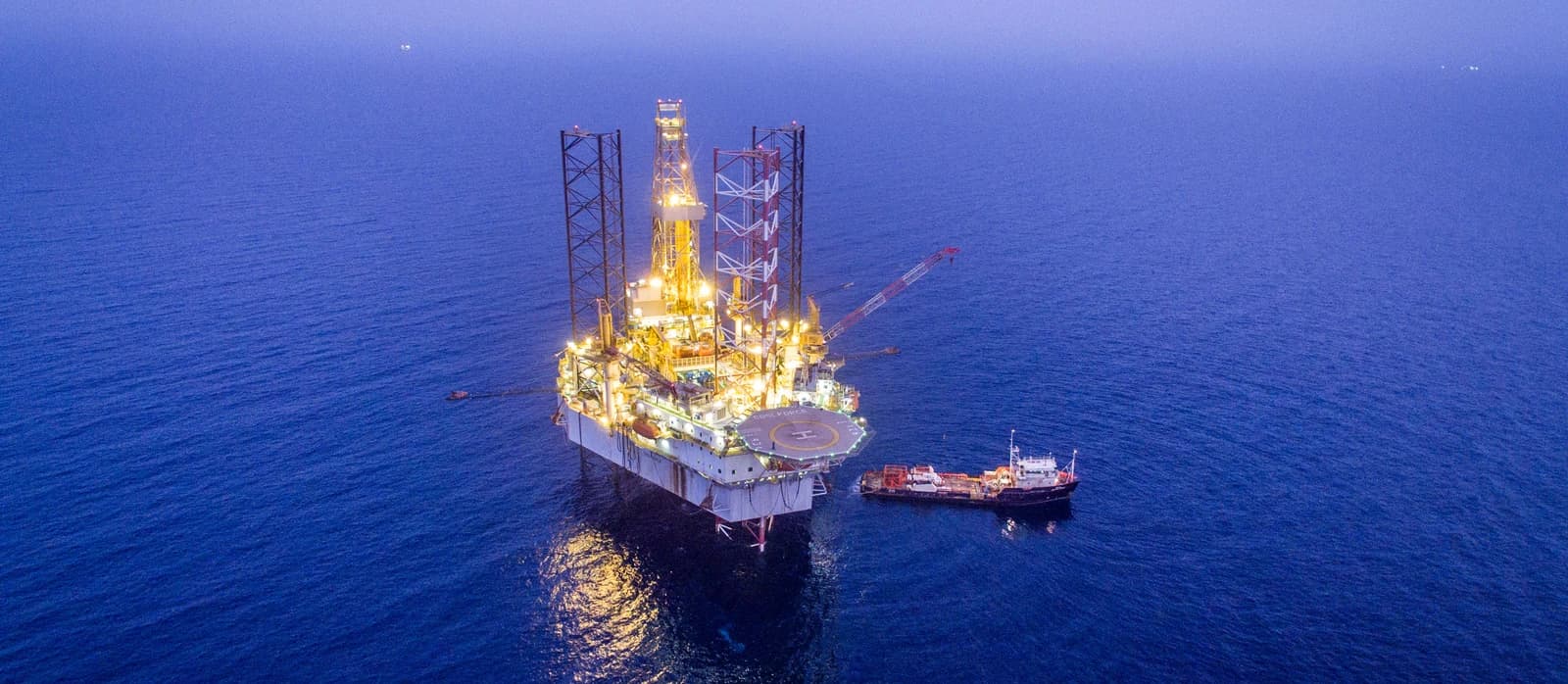
The US military buildup in the Gulf is raising the economic cost of the Iran standoff, with traders now pricing a higher risk that any miscalculation could threaten oil flows through the Strait of Hormuz and ripple through global inflation, shipping and risk assets.
US Gulf Buildup Raises Iran Strait of Hormuz Risk
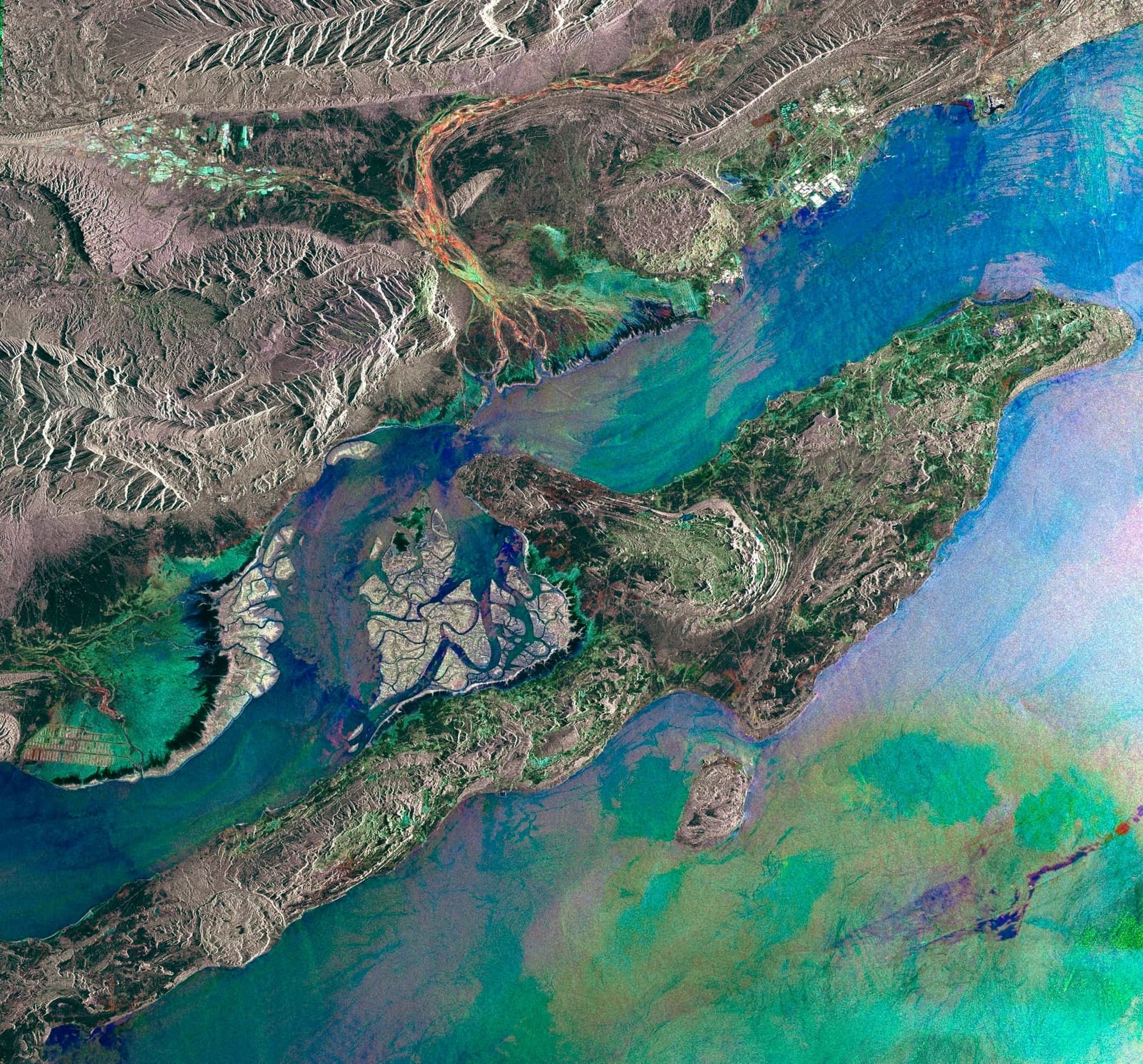
Envoy Reuven Azar’s warning that “Iran must come to terms with the US” comes against a backdrop of a much heavier American footprint in the region, including an additional 9,000 troops and a third aircraft carrier. That matters because the Strait of Hormuz remains the world’s most sensitive energy chokepoint: even a temporary disruption can lift crude prices, tighten fuel markets and force investors to reprice inflation expectations, central bank policy and airline, transport and industrial margins.
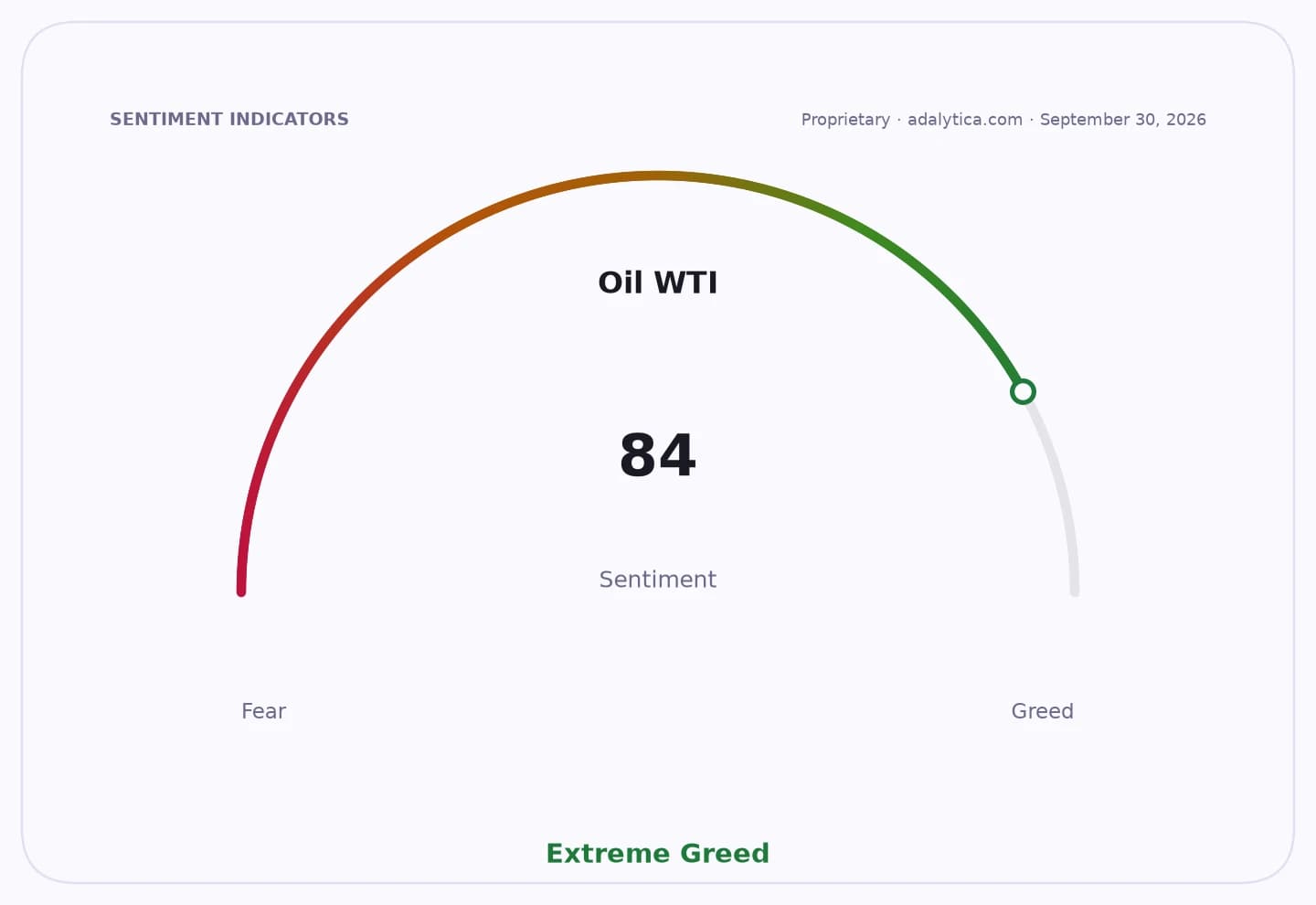
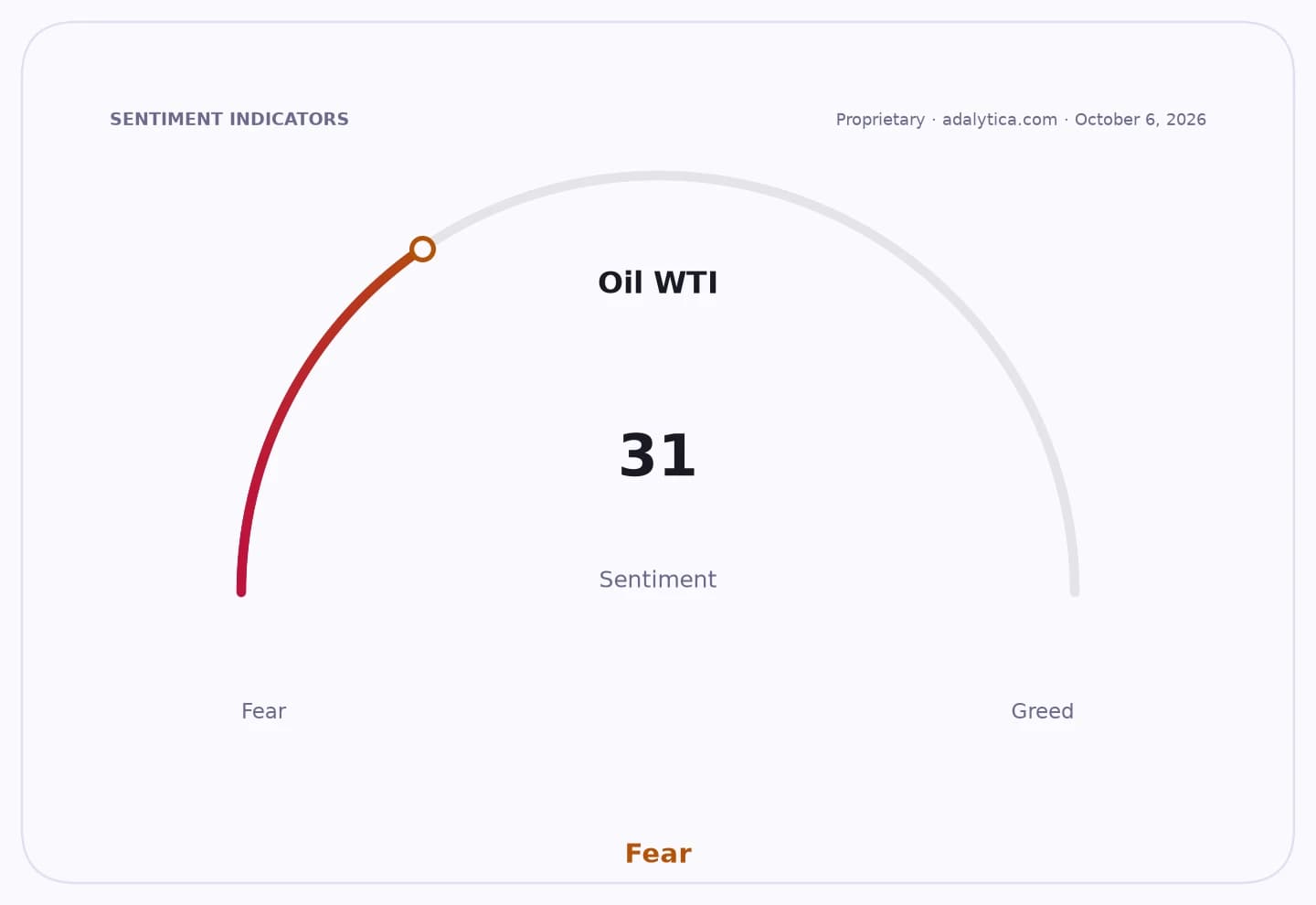
Sentiment IndicatorsⓘProprietary · adalytica.com · October 6, 2026
This is a snapshot — live sentiment, awareness and momentum for 130+ markets update continuously in the dashboard.Open AlphaPulse
The market reaction suggests investors are treating the confrontation as a live supply-risk event rather than a remote diplomatic dispute. USO, which tracks US crude exposure, has climbed to 143.99 from 120.49 in late July, a gain of nearly 20%, even after a recent pullback. On the latest reading, its price remains well above the 50-day moving average of 137.51 and the 200-day average of 115.56, indicating the broader uptrend is intact despite short-term cooling. But the daily momentum gauges have weakened, with RSI at 33.0, showing the move has become stretched in the opposite direction as traders wait for clearer signals from the Gulf.
Gold has failed to rally in tandem, underscoring that this is not yet a full-blown flight-to-quality episode. GLD closed at 379.55 on Oct. 5, below both its 50-day moving average of 396.45 and 200-day average of 416.07, with RSI at 36.5. That pattern suggests investors are hedging geopolitical risk more through energy than through a broad rush into defensive assets. The dollar has also been firmer, with UUP at 28.99, above both its 50-day and 200-day averages, reflecting some demand for cash and reserve currency exposure even as proprietary Adalytica trade signals on the greenback remain in fear territory.
The economic stakes are straightforward. If Tehran follows through on threats to obstruct oil exports in response to renewed US pressure, the immediate winners would be crude producers and energy-linked equities. The losers would be refiners, importers, airlines, industrials and consumers facing higher fuel bills. Higher oil would also complicate the policy outlook at a time when central banks have been trying to pin down inflation after months of uneven disinflation.
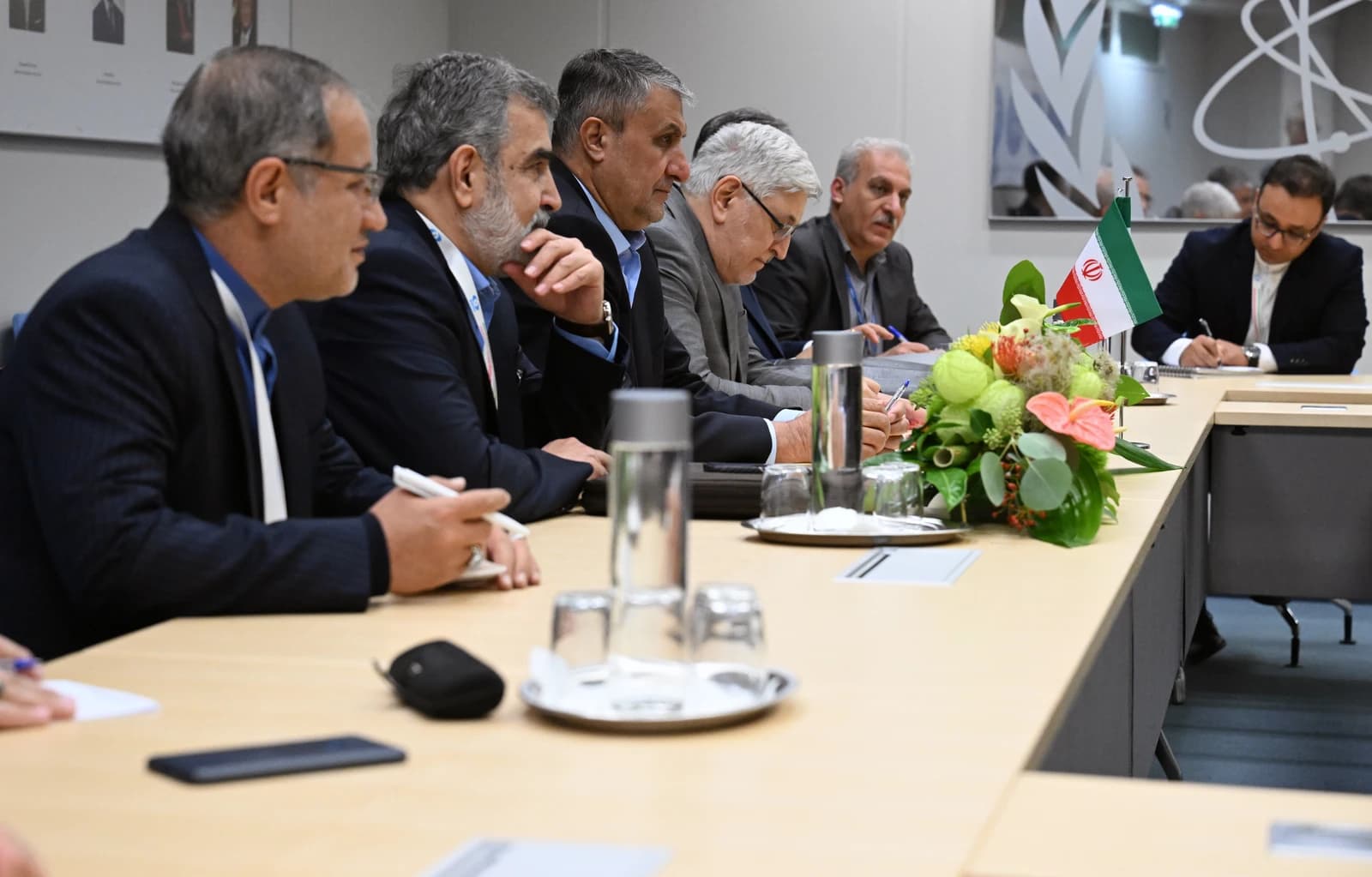
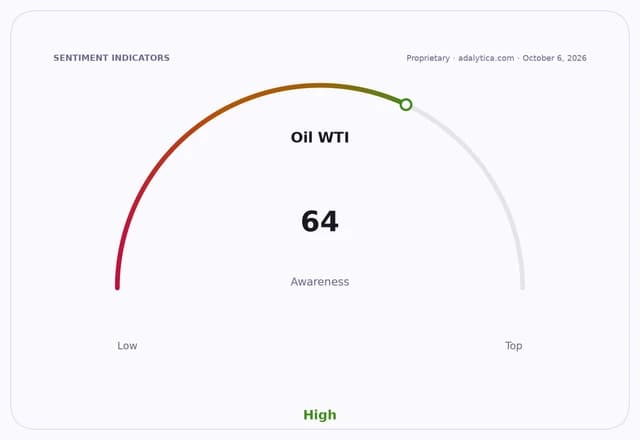
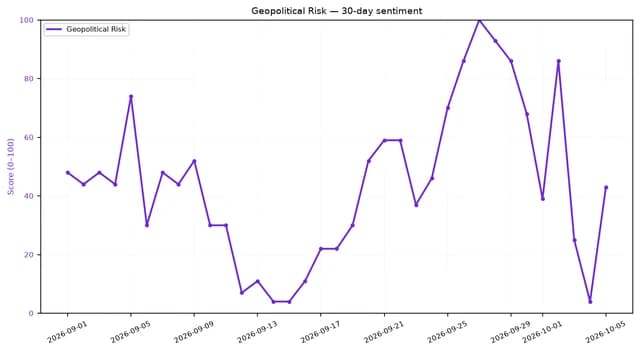
For now, the signal from markets is caution rather than panic. Adalytica’s Global Stability Sentiment sits in neutral territory, but awareness of the risk is extremely elevated, consistent with a standoff that is being watched closely even if no one is yet pricing a major supply shock. That leaves diplomacy as the main brake on escalation. Iranian officials continue to say a military solution is off the table, but with US forces now more visibly arrayed in the region, the bargaining space is narrower and the cost of a misstep higher.
Investors should watch three things next: whether the Gulf buildup translates into actual maritime incidents, whether Tehran signals a willingness to re-enter talks on sanctions and exports, and whether crude breaks convincingly above recent highs. If it does, the market will be confirming that the Iran-US confrontation has moved from rhetoric to a broader macro shock.
| Entity | Gains | Losses |
|---|---|---|
| US crude producers | ▲Higher oil prices | ▼Demand destruction risk |
| Airlines and importers | ▲Lower fuel costs if tensions ease | ▼Higher fuel bills |
| Gold bulls | ▲Safe-haven bid on escalation | ▼Weak demand if risk stays contained |
| Iran and US negotiators | ▲Leverage from pressure | ▼Room for compromise |