Iran and Russia are escalating hybrid campaigns against Britain and other European targets, a warning that underscores how state-backed sabotage, cyberattacks and covert operations are becoming a more persistent economic and market risk.
Iran, Russia Hybrid Threats Raise Europe Risk
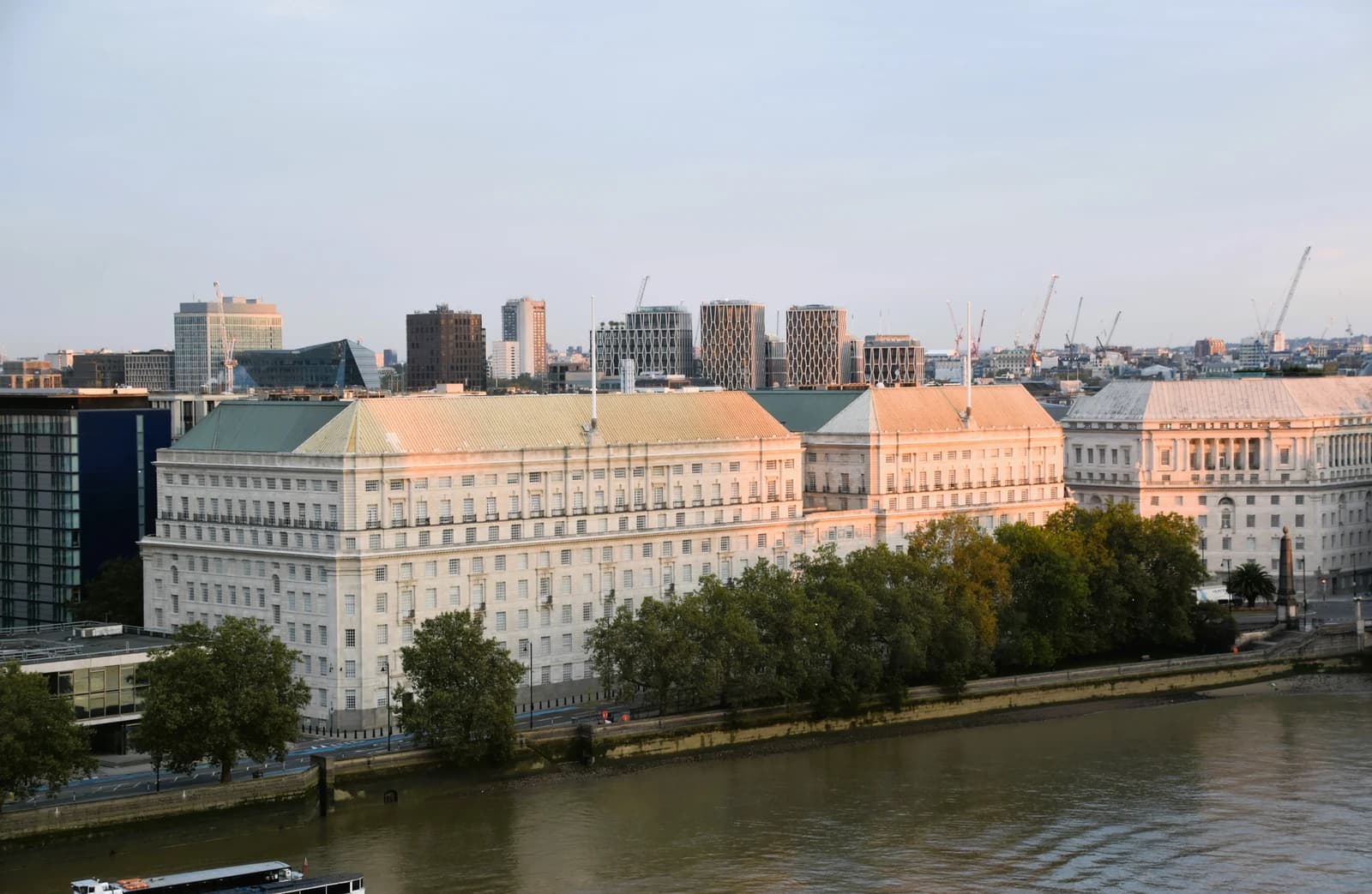
MI5 Director General Ken McCallum said on Tuesday that Iran is trying to hit harder targets such as military sites in Britain, while Russia is intensifying hybrid warfare as it responds to setbacks in Ukraine. He said state threats have quadrupled over the past decade, forcing his agency to devote more resources to them than during the Cold War.
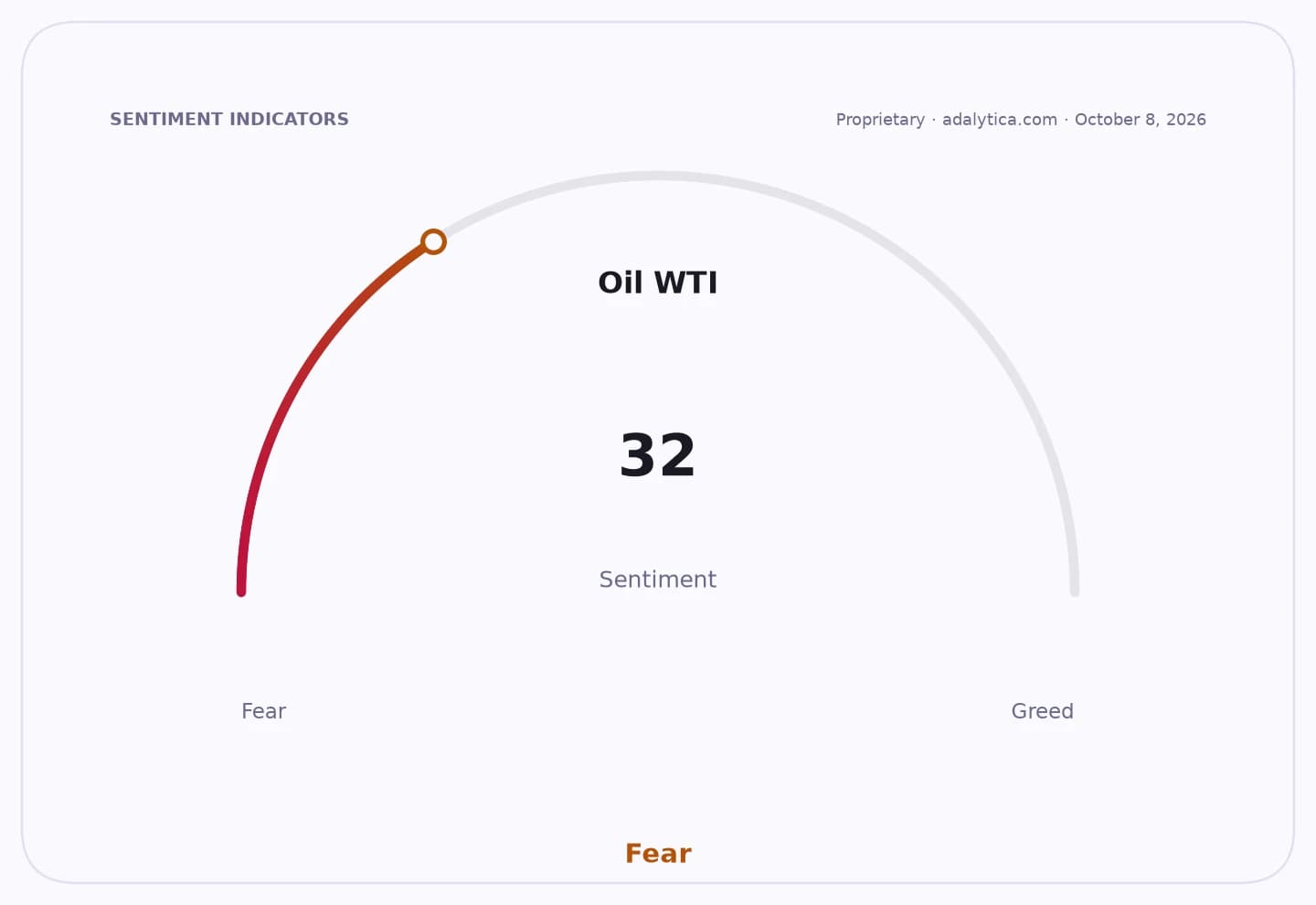
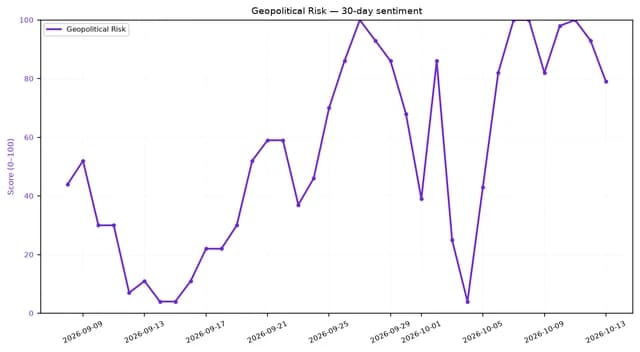
Sentiment IndicatorsⓘProprietary · adalytica.com · October 13, 2026
This is a snapshot — live sentiment, awareness and momentum for 130+ markets update continuously in the dashboard.Open AlphaPulse
The warning matters beyond intelligence circles because hybrid attacks can disrupt transport, energy and defense infrastructure without crossing into open conflict. That raises the cost of security across Europe, keeps pressure on government budgets and adds another layer of risk for companies exposed to critical infrastructure, logistics, cloud networks and defense supply chains.
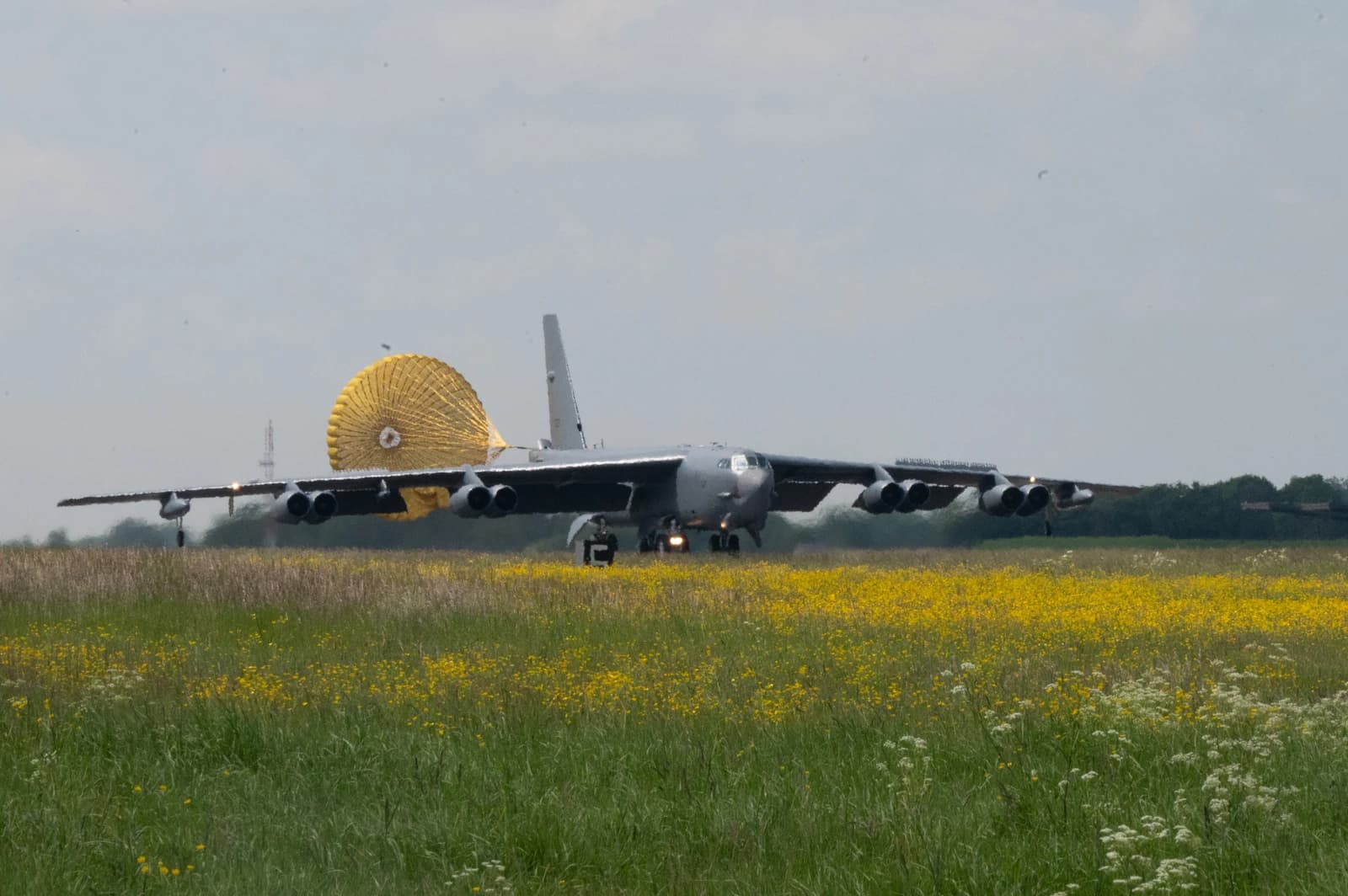
McCallum said Britain has seen a “major shift” in Iranian ambitions toward harder targets such as military sites, and pointed to incidents outside the UK as well. He declined to comment on the suspected plot against RAF Fairford, which British officials have linked to Tehran, but said the episode was “not unique.”
On Russia, McCallum described Moscow as the “aggressor number one,” citing attempted drone attacks and cyber activity against European infrastructure. His comments echo warnings from other intelligence agencies that the Kremlin is using tactics just short of conventional war while its progress in Ukraine remains limited and costly.
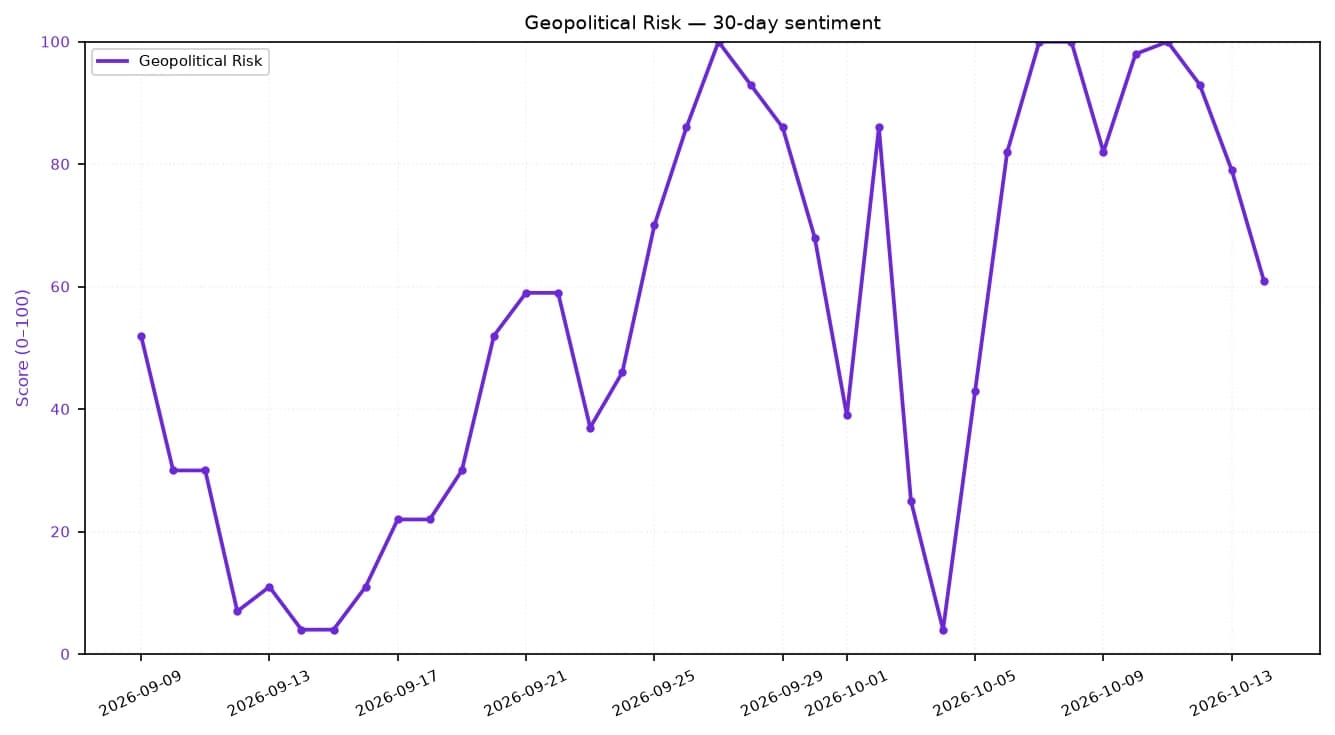
For investors, the implications run from higher demand for cybersecurity and defense to more headline risk for airlines, utilities, industrials and data-heavy businesses that sit on the front line of hybrid attacks. The message is also a reminder that geopolitical volatility remains a live input for markets already sensitive to energy prices, supply-chain shocks and sanctions.
The broader backdrop is a global security environment in which states, proxies and non-state actors increasingly blur the line between war and peacetime disruption. With AI raising fresh concerns about the possible development of bioweapons and novel pathogens, Western governments are likely to keep spending more on intelligence, surveillance, cyber defense and physical protection.
| Entity | Gains | Losses |
|---|---|---|
| Cybersecurity firms | ▲More demand for defenses | ▼More attack exposure |
| Defense contractors | ▲Bigger security budgets | ▼Higher threat environment |
| European critical infrastructure operators | ▲Tighter protection spending | ▼More disruption risk |
| Iran and Russia | ▲Covert leverage | ▼Sanctions scrutiny |