Russia’s foreign minister Sergei Lavrov said the information war against Moscow started after the Kremlin adopted an independent foreign policy and rejected what he called Western “neo-colonial” cooperation, underscoring how deeply the Ukraine conflict has hardened the economic and diplomatic split between Russia and the West.
Russia Lavrov Says West Started Information War
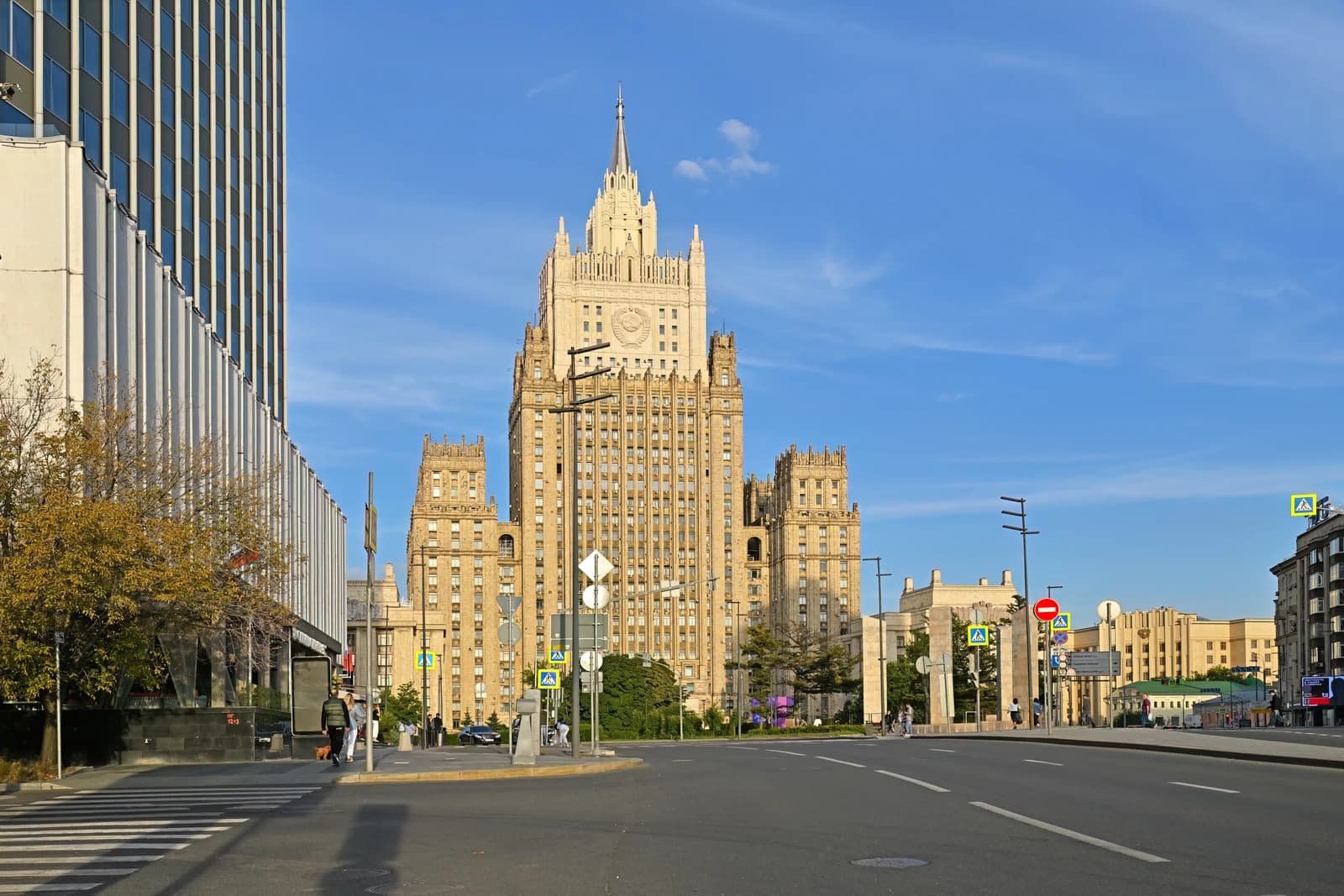
Lavrov framed the confrontation as a long-building campaign rather than a response to the full-scale war in Ukraine, saying Western media and institutions prepared their audiences to accept “any, even the most absurd” anti-Russian narrative while blocking alternative information. He also said Russia is facing a record level of sanctions, putting the number at more than 30,000 restrictions.
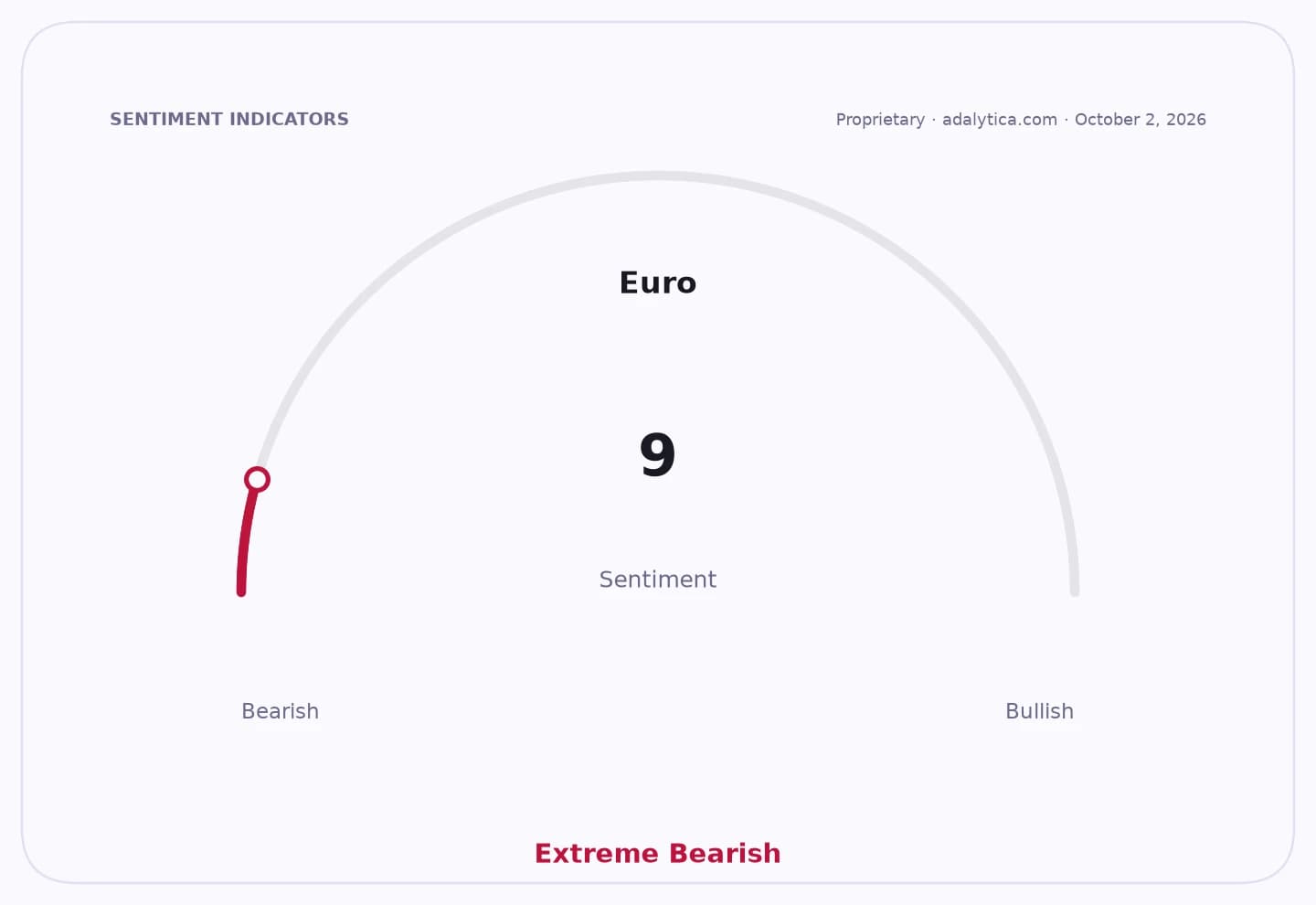
Sentiment IndicatorsⓘProprietary · adalytica.com · September 27, 2026
This is a snapshot — live sentiment, awareness and momentum for 130+ markets update continuously in the dashboard.Open AlphaPulse
The comments matter because they reinforce the view that Moscow sees sanctions, media pressure and diplomacy as part of the same contest for influence, not separate channels. That stance suggests little room for near-term de-escalation and keeps geopolitical risk elevated for energy, commodities, defense and European assets exposed to any widening of the conflict.
For investors, the message is that Russia remains entrenched in a sanctions-heavy, information-driven standoff with the West, increasing the odds of prolonged market friction rather than normalization. That can keep a risk premium embedded in oil and gas, support safe-haven demand when tensions spike, and complicate any exposure to firms, banks or trade routes linked to Russia.
Geopolitical Risk — 30-day sentimentadalytica.com
Explore this data interactively — full history, time series and cross-market comparisons.Open AlphaPulse
The broader narrative is one of a deeper decoupling: Moscow is presenting its shift away from Western economic and political systems as a sovereign choice, while Western governments continue to tighten controls and maintain pressure. The next catalyst is likely to come from any fresh sanctions package, NATO response or escalation on the battlefield that forces another round of repricing across European and energy markets.
| Entity | Gains | Losses |
|---|---|---|
| Russia | ▲Domestic political cover | ▼Access to Western capital and trade |
| West/NATO | ▲Unity around deterrence | ▼Higher geopolitical risk |
| Energy markets | ▲Risk premium support | ▼Stability in supply expectations |
| Investors in Europe | ▲Safe-haven rotations | ▼Exposure to escalation and sanctions |