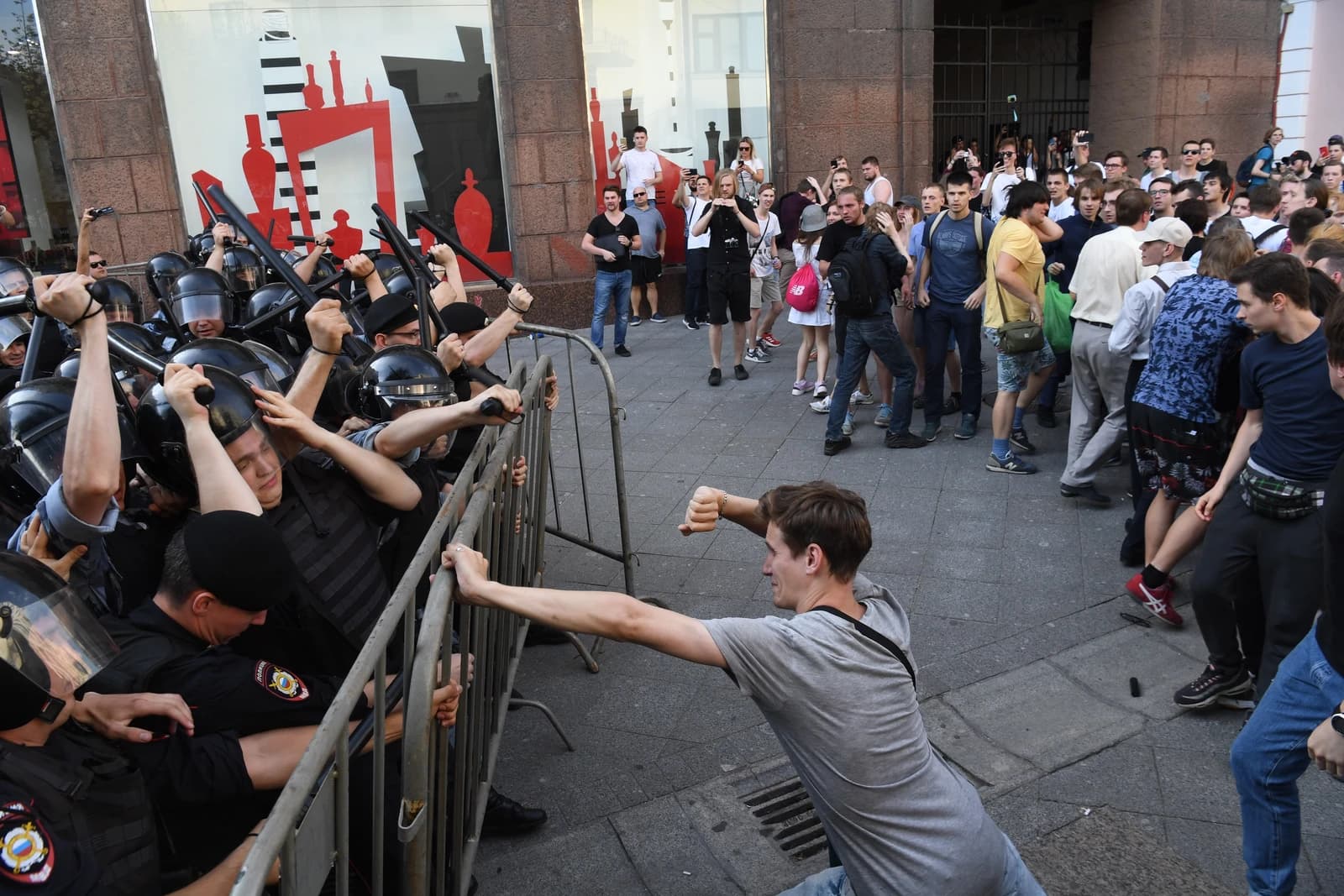
Moscow police detained 65 people at a Communist Party demonstration that turned into an anti-government protest, underscoring how quickly even Kremlin-tolerated rallies can become a pressure point for Vladimir Putin’s administration.
Russia police detain 65 at Communist Party protest
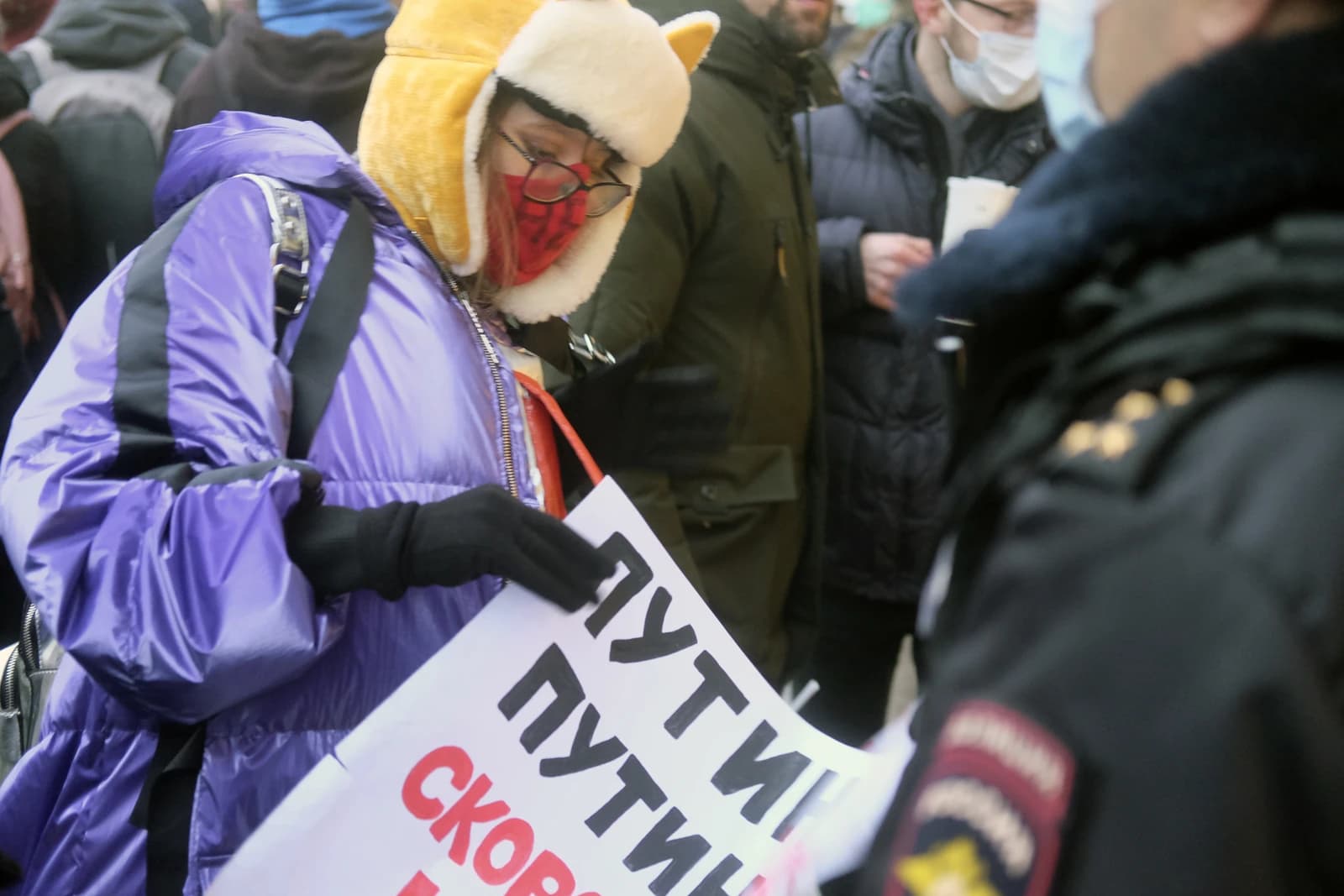
That matters because Russia’s political stability is now a direct macro and market variable, not just a domestic headline. When dissent surfaces inside a party that has often worked in parallel with the Kremlin, it signals widening frustration over the ruling United Russia machine after last month’s parliamentary sweep and raises the odds of tougher policing, deeper repression and a more brittle internal political climate.
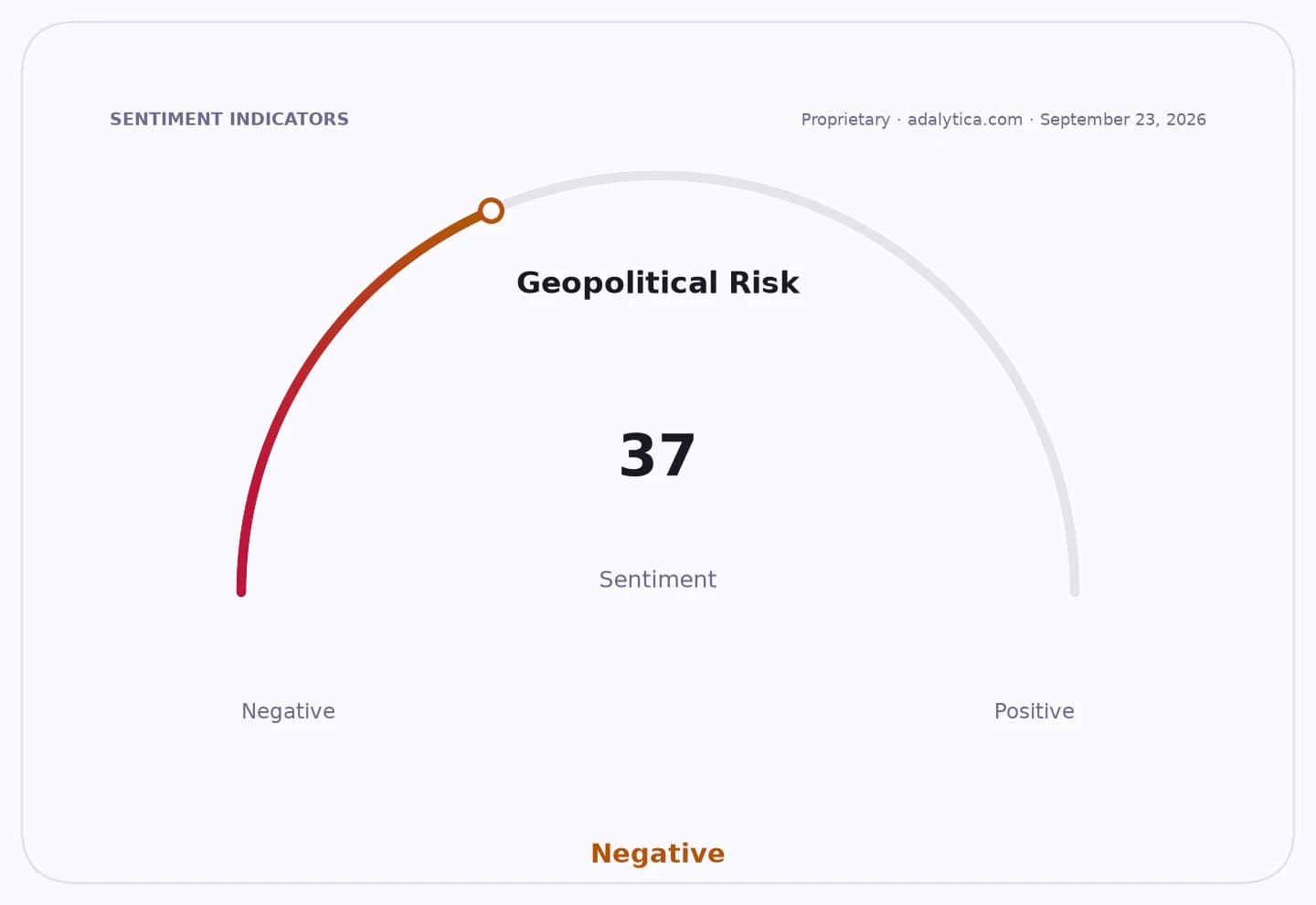
Sentiment IndicatorsⓘProprietary · adalytica.com · October 7, 2026
This is a snapshot — live sentiment, awareness and momentum for 130+ markets update continuously in the dashboard.Open AlphaPulse
The rally was originally authorized and was meant to commemorate the 1993 assault on the Supreme Soviet, but chants of “fair elections” and “down with the tsar” quickly shifted the event into open criticism of the president’s government. Independent Russian media said police and security officers forcibly removed participants, while Communist Party members objected to the detentions.
For investors, the immediate economic channel is risk premium. Russia is already trading under the weight of sanctions, wartime spending and capital controls, and any sign of rising domestic unrest reinforces the case for persistent geopolitical discounting across Russian assets. The ruble, Russian equities and any remaining exposure to the country remain hostage to state policy, security crackdowns and the broader trajectory of the war in Ukraine.
The deeper market takeaway is that political noise in Moscow is no longer noise. The Kremlin can suppress street politics, but it cannot eliminate the economic consequences of repression, war mobilization and elite fatigue. That combination tends to keep foreign capital away, limit valuation recovery and preserve volatility in any Russia-linked trade.
For global investors, the more investable conclusion is to stay underweight Russia and overweight the beneficiaries of geopolitical fragmentation: defense contractors, energy-security names, sanctions-compliance providers and alternative commodity suppliers. The market continues to underestimate how long this regime of political control and external isolation can last, and that makes the mispricing in non-Russian havens the cleaner thesis.
The next catalyst is not whether Moscow allows another rally; it is whether the authorities respond with more policing, tighter controls or broader political cleansing after a protest that was supposed to be harmless. That is the signal to watch, because in Russia the political response is often more important for markets than the protest itself.
| Entity | Gains | Losses |
|---|---|---|
| Russian authorities | ▲Short-term control | ▼Political credibility |
| Communist Party supporters | ▲Visibility | ▼Detentions |
| Defense and sanctions beneficiaries | ▲Persistent demand | ▼— |
| Russian assets | ▲— | ▼Higher risk premium |