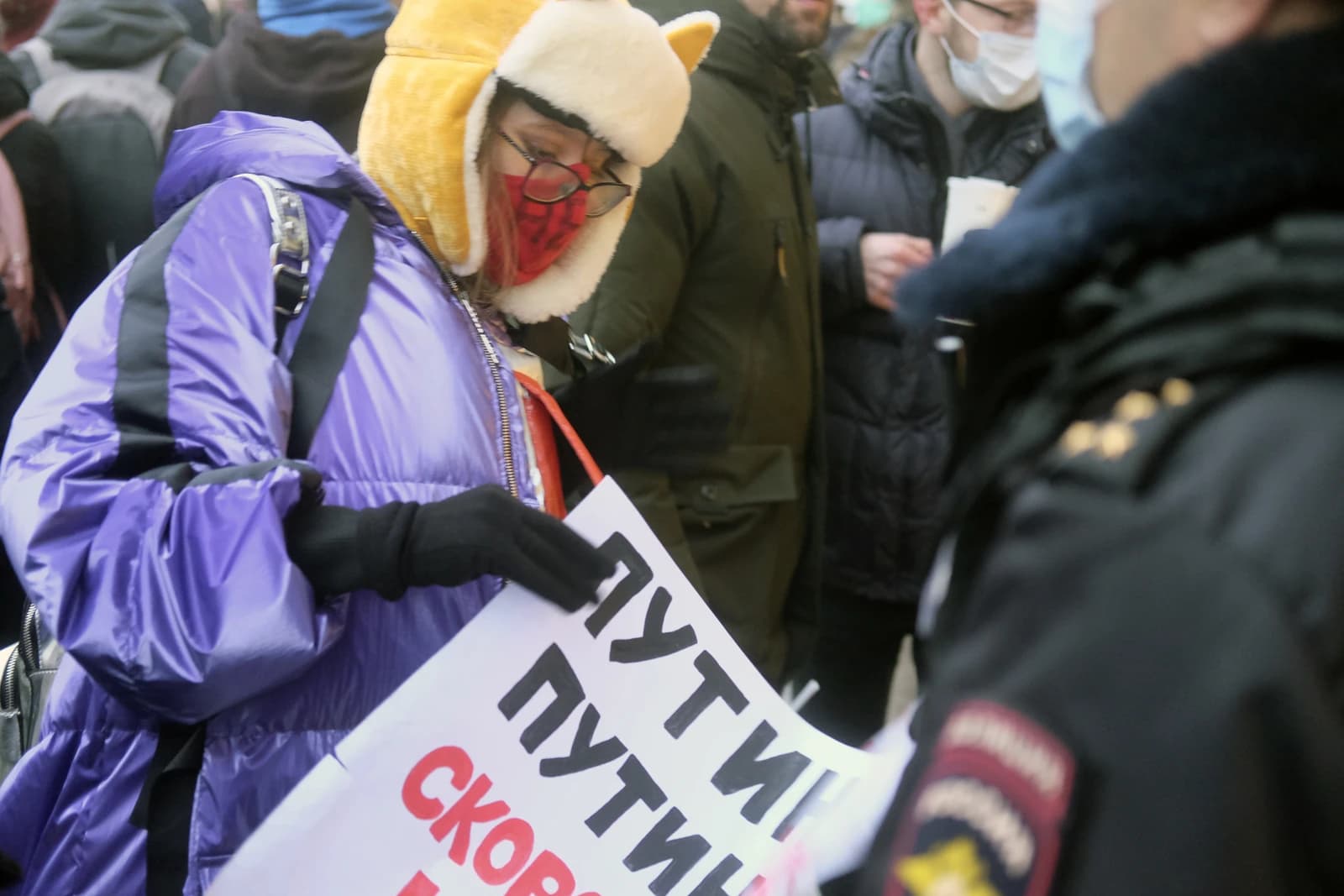
Police detained at least 65 people at a Communist Party rally in Moscow, underscoring the authorities’ continuing low tolerance for public dissent and the political risk around even historically framed opposition events.
Moscow police detain 65 at Communist Party rally
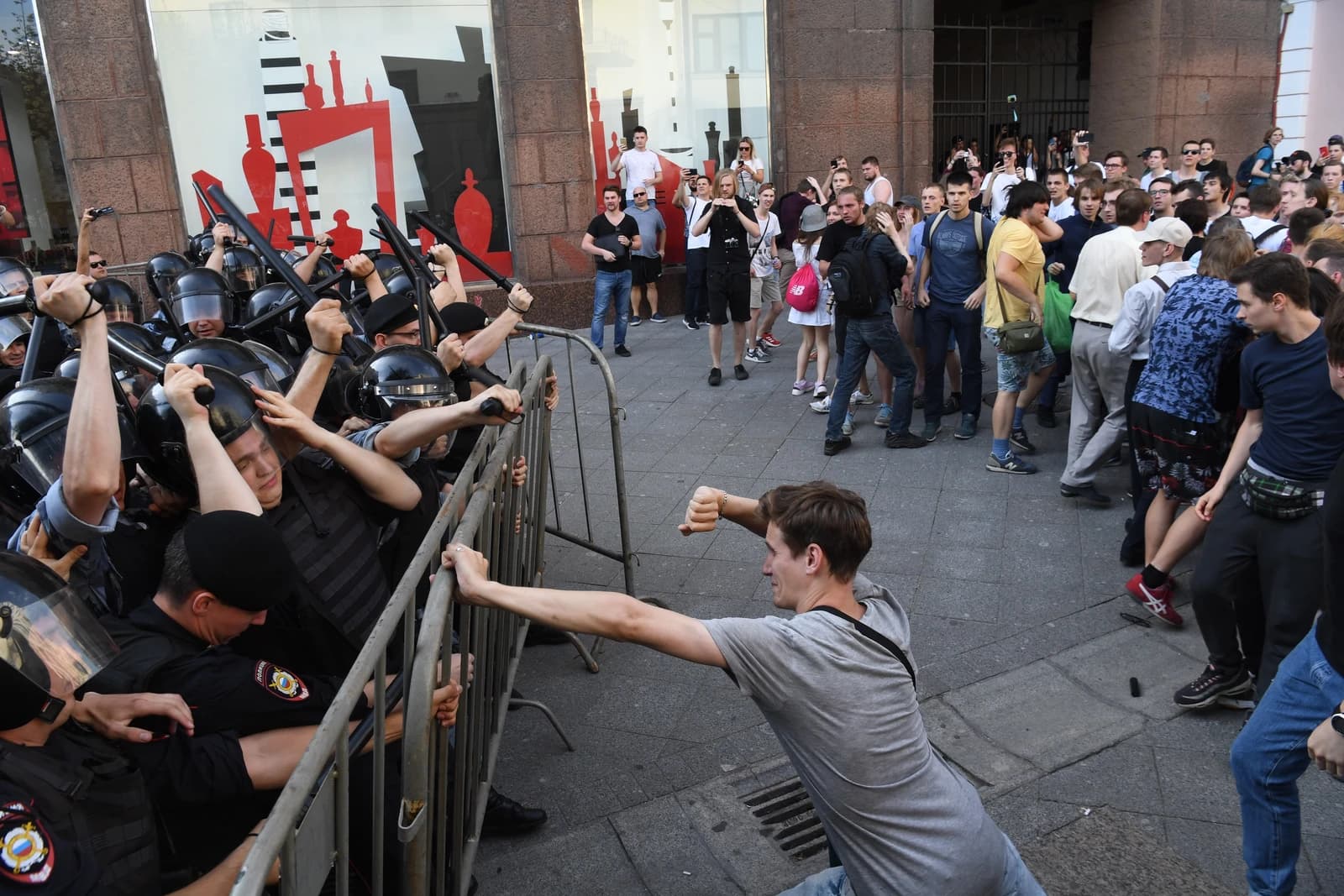
The detentions matter economically because they reinforce a policy backdrop of tighter domestic control, which tends to raise the risk premium on Russian assets by keeping the political environment unpredictable and limiting the space for organized protest. For investors, that does not move earnings in the way a rate decision or sanctions package might, but it does feed into broader geopolitical risk sentiment, especially at a time when markets are already pricing in extreme fear around global stability.
Sentiment IndicatorsⓘProprietary · adalytica.com · October 4, 2026
This is a snapshot — live sentiment, awareness and momentum for 130+ markets update continuously in the dashboard.Open AlphaPulse
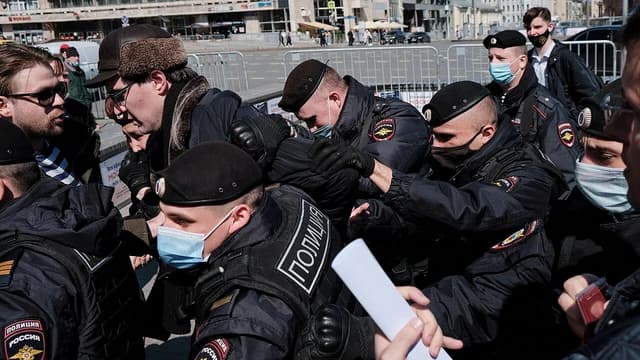
The Communist Party of the Russian Federation said the arrests began near the end of a memorial rally at the monument on Krестьянская Zastava, held for victims of the 1993 shelling of the Russian parliament. The party said it was working to free the detainees and provide assistance. Russian law enforcement had not commented publicly.
The episode fits a familiar pattern in Moscow, where participants in public gatherings can be detained after events rather than during them and later fined or jailed under rules covering unauthorized demonstrations. The party cited a prior case in 2021 when dozens of attendees at a Communist Party meeting were detained over several days and then punished under the administrative code. For repeat violations, the penalty can reach 150,000 to 300,000 rubles or up to 30 days’ administrative arrest.
For markets, the immediate impact is limited, but the signal is broader: the state remains willing to absorb reputational costs to deter collective political action. That can matter for sentiment around Russian sovereign risk, local business confidence and the discount investors apply to assets exposed to policy volatility.
The likely short-term outcome is more of the same — selective enforcement, no official explanation and heightened caution among groups considering public demonstrations. For investors watching Russia from the outside, the message is that political risk remains structurally elevated, even when the event itself is domestic and symbolic rather than economically driven.
| Entity | Gains | Losses |
|---|---|---|
| Russian authorities | ▲tighter control | ▼public dissent |
| Communist Party of the Russian Federation | ▲visibility among supporters | ▼detained activists |
| Risk-off investors | ▲clarity on political risk | ▼appetite for Russian exposure |
| Moscow protesters | ▲attention to grievances | ▼freedom to assemble |