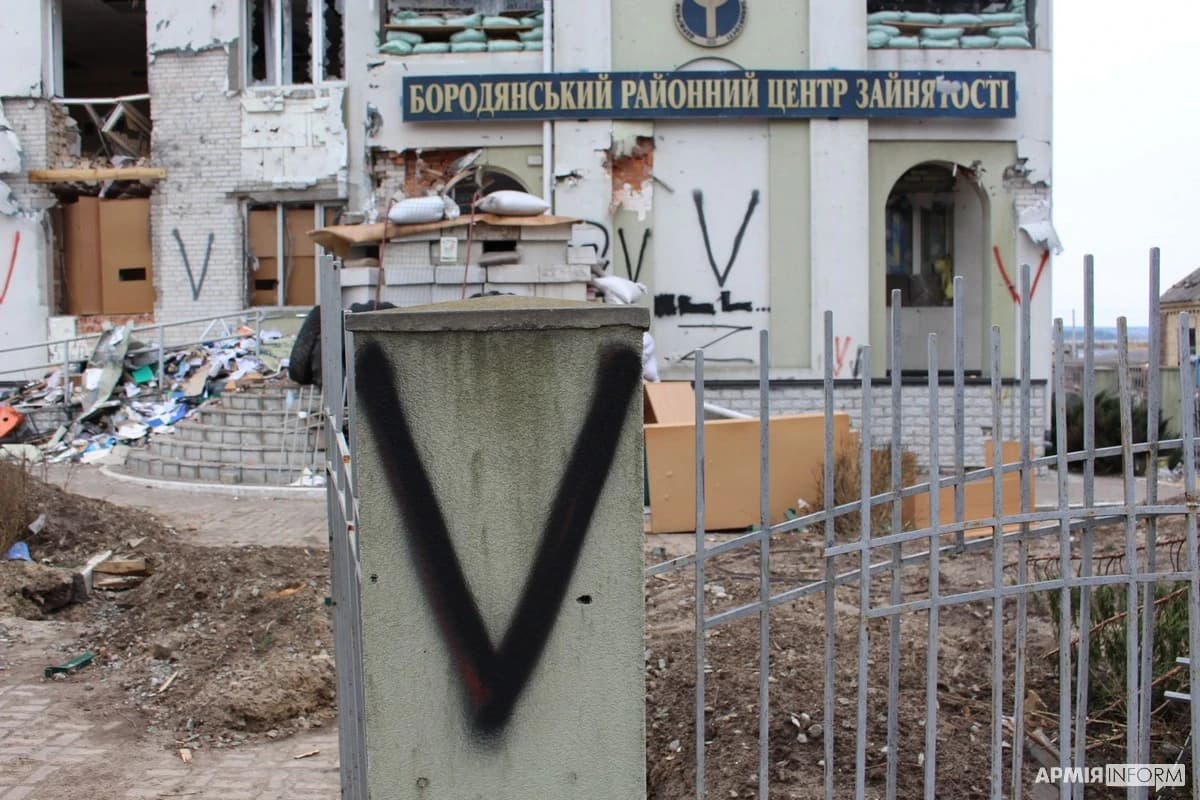
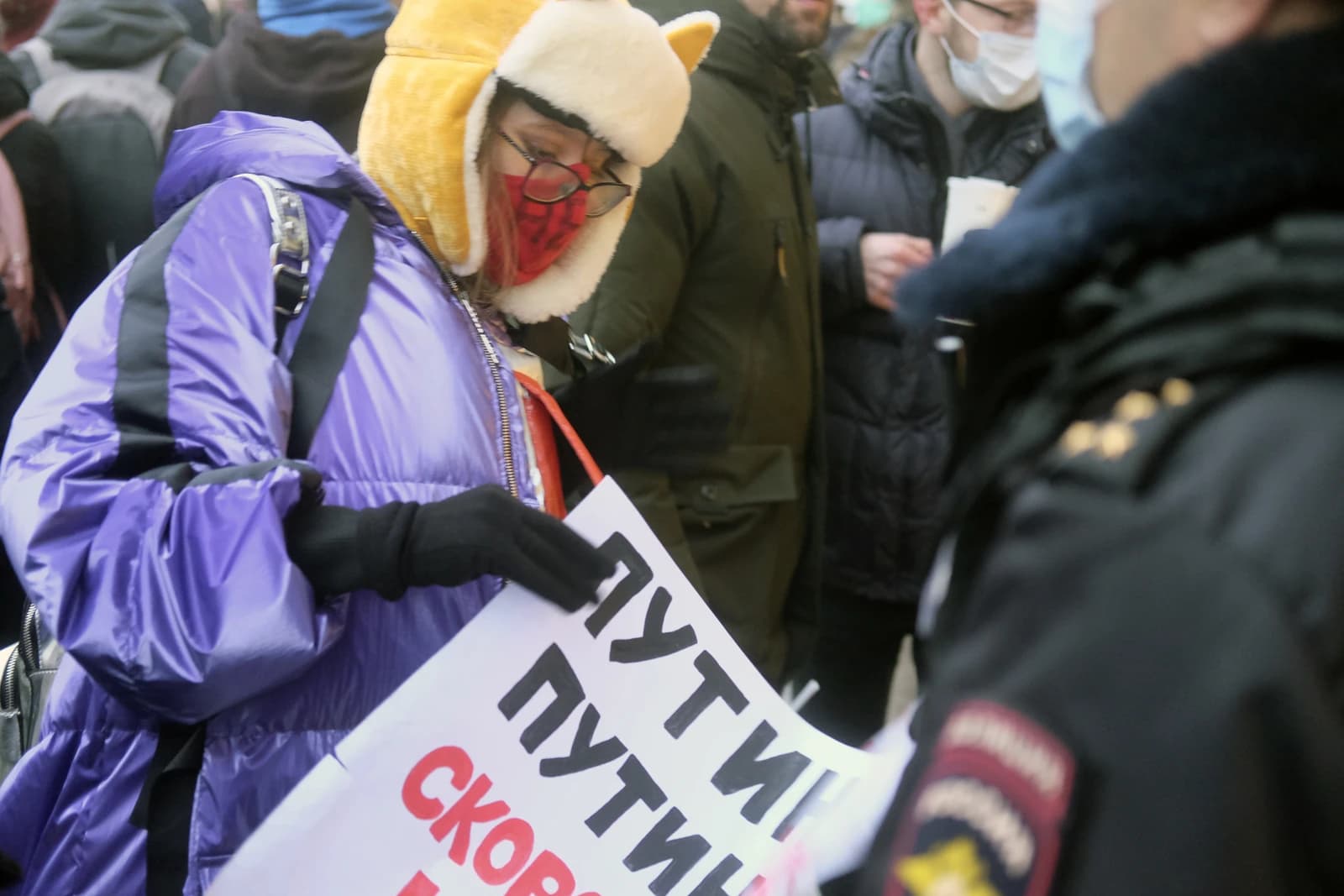
Russia’s forced transfer and re-education of Ukrainian children has evolved into a central instrument of occupation, strengthening Moscow’s control over occupied territory while creating a long-tail political and security risk that will outlast any ceasefire.
Ukraine child deportations keep Russia war risk elevated
Ukraine says it has verified 20,651 cases of children deported or forcibly displaced to Russia and Belarus since 2022, though some Russian-linked estimates are far higher. Only 2,644 children had been returned by September 2026, underscoring how much of the campaign’s damage remains unresolved and how little leverage Kyiv has recovered over families split by the war.
Sentiment IndicatorsⓘProprietary · adalytica.com · October 6, 2026
This is a snapshot — live sentiment, awareness and momentum for 130+ markets update continuously in the dashboard.Open AlphaPulse
The significance is bigger than a human-rights file. By separating children from parents, concealing their identities and placing them into Russian families or state-run institutions, Moscow is not just suppressing dissent in occupied areas. It is building coercive leverage over civilian populations still inside Ukraine, making family reunification dependent on compliance with Russian authorities and helping entrench occupation through fear rather than frontline military gains.
That makes the child-transfer programme part of Russia’s wider war effort, not a side effect of it. The International Criminal Court issued arrest warrants for Vladimir Putin and children’s commissioner Maria Lvova-Belova in 2023, and researchers working on the issue say at least 47 Russian and Belarusian figures — from regional governors to business executives — have been directly involved. The campaign, they argue, is systematic rather than ad hoc, extending through government documents, transport networks and institutions inside Russia.
Geopolitical Risk — 30-day sentimentadalytica.com
Explore this data interactively — full history, time series and cross-market comparisons.Open AlphaPulse
The longer-term economic and strategic cost is borne by Ukraine, whose labour force, demographics and social fabric are being eroded by war, occupation and displacement. Roughly 1.6 million Ukrainian children are currently living under occupation, including at least 582,000 of school age, creating what amounts to a captive population under Russian curricula, Russian cultural messaging and Russian military conditioning. That matters because demographic control is a form of state power: it shapes the next generation of citizens, soldiers and workers long after the guns fall silent.
The mechanism is blunt but effective. Occupied children are taught Russian standards, placed into loyalty programmes and exposed to militarised youth organizations such as Orlyata Rossii and Yunarmiya. In occupied Crimea, the number of cadet classes in schools rose from 12 in 2016-17 to 260 in 2024-25, showing how the model has been formalized and scaled. Ukrainian officials say Russia mobilized more than 46,000 residents of occupied territories into its army between February 2022 and July 2025, a sign that the education apparatus is feeding directly into manpower generation.
For investors, the story matters because it points to a war that is becoming more entrenched rather than more contained. Any prospect of sanctions relief, reconstruction or normalization remains tied not only to battlefield outcomes but to accountability for mass child deportations and the fate of occupied populations. That keeps geopolitical risk elevated for Europe, defense contractors, energy markets and any assets exposed to a drawn-out confrontation between Russia and the West.
The wider market implication is that the war’s human capital damage increases the probability of a frozen conflict rather than a clean settlement. That tends to support higher European defense spending, sustain demand for intelligence, surveillance and border-security capabilities, and keep a risk premium embedded in regional assets whenever ceasefire talk fades. Adalytica’s Global Stability Sentiment snapshot, at 43 and labeled neutral but with awareness at “extreme fear,” reflects that persistent unease even as headlines shift.
The bull case for a faster resolution is that documented evidence, ICC warrants and expanding attribution may raise the diplomatic cost for Moscow over time. The bear case is that the programme is already embedded in occupation governance and can continue even if front lines stabilize, leaving Russia with a durable tool of assimilation and coercion. Either way, the campaign against Ukrainian children is not only a moral indictment; it is a strategic asset for the Kremlin and a long-duration risk for Kyiv and its backers.
| Entity | Gains | Losses |
|---|---|---|
| Russia | ▲tighter occupation control | ▼sanctions and legal exposure |
| Ukraine | ▲international support | ▼demographics and family unity |
| Kremlin youth system | ▲larger pipeline of loyalized youth | ▼reputational damage |
| Defense and security contractors | ▲sustained demand | ▼peace dividend risk |