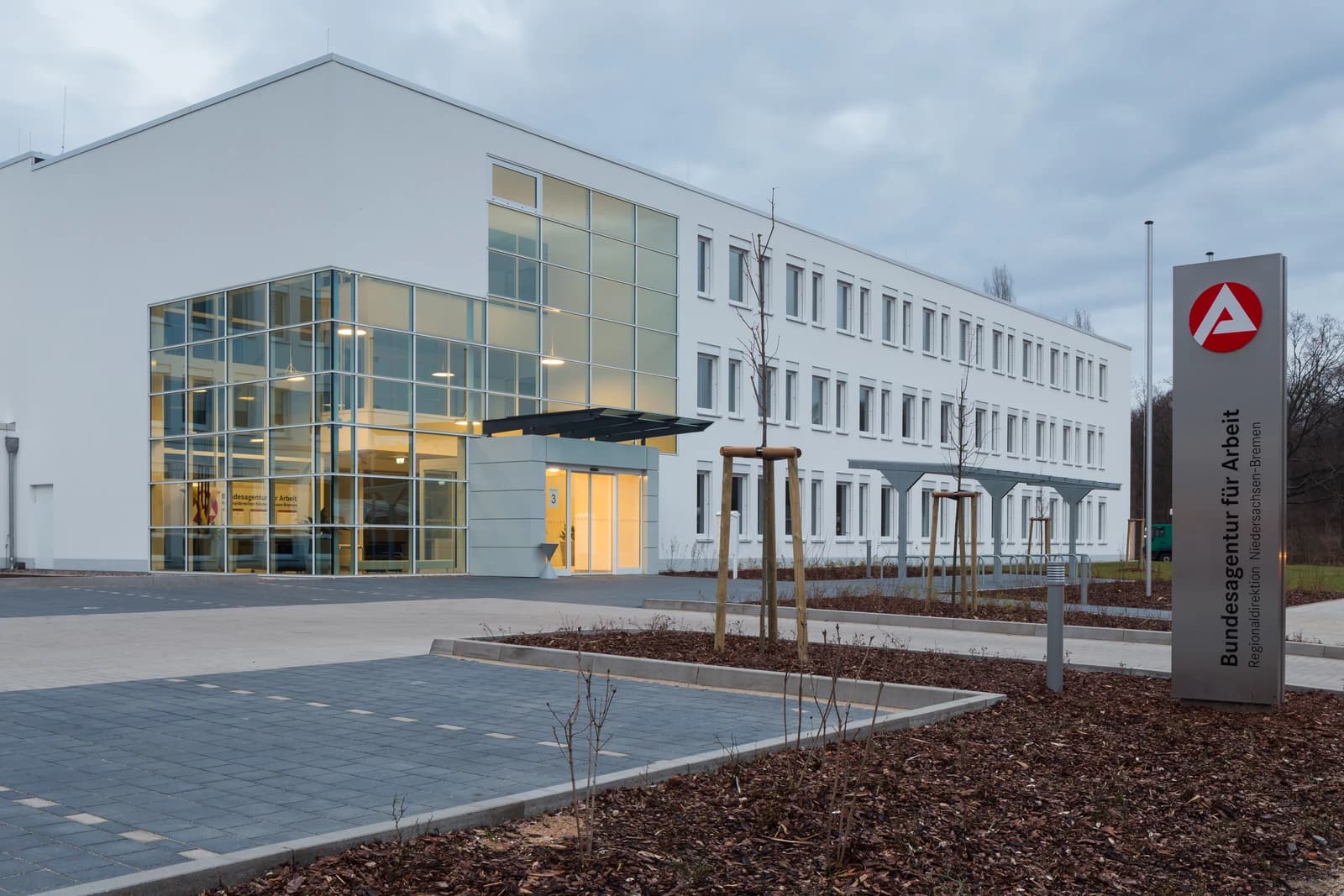
Ukraine is moving to copy the European Union’s Youth Guarantee model, a labor-market overhaul that could help pull young people back into work, training or entrepreneurship within four months and give war veterans a faster path into the civilian economy.
Ukraine Youth Guarantee Plan Targets Jobs and Training
That matters because Ukraine’s growth story after Russia’s invasion will depend not just on reconstruction spending, but on whether the country can keep talent at home, rebuild a skilled workforce and turn displaced or inactive young adults into productive workers and founders. If the system works, it could reduce long-term unemployment, ease labor shortages and support small-business creation in a country that badly needs both.
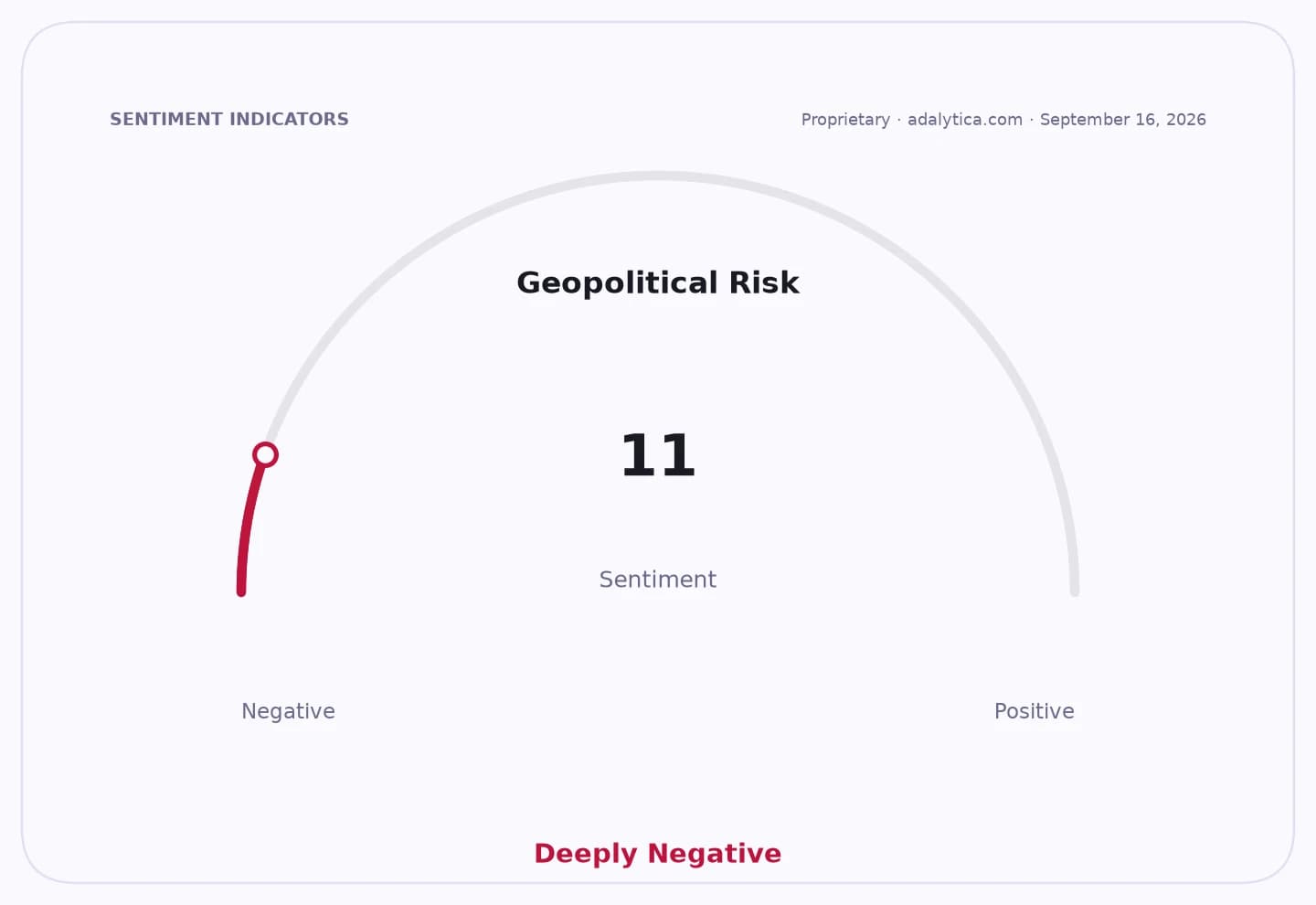
Sentiment IndicatorsⓘProprietary · adalytica.com · September 30, 2026
This is a snapshot — live sentiment, awareness and momentum for 130+ markets update continuously in the dashboard.Open AlphaPulse
Under the plan, people under 30 who are not working or studying would be offered a job, internship, training place or further education within four months. The model is aimed at so-called NEET youth — those not in employment, education or training — and is being designed with the European Commission, Ukrainian ministries and international partners. Pilot projects are slated for 2026 in the Lviv and Volyn regions, with full rollout possible in 2027.
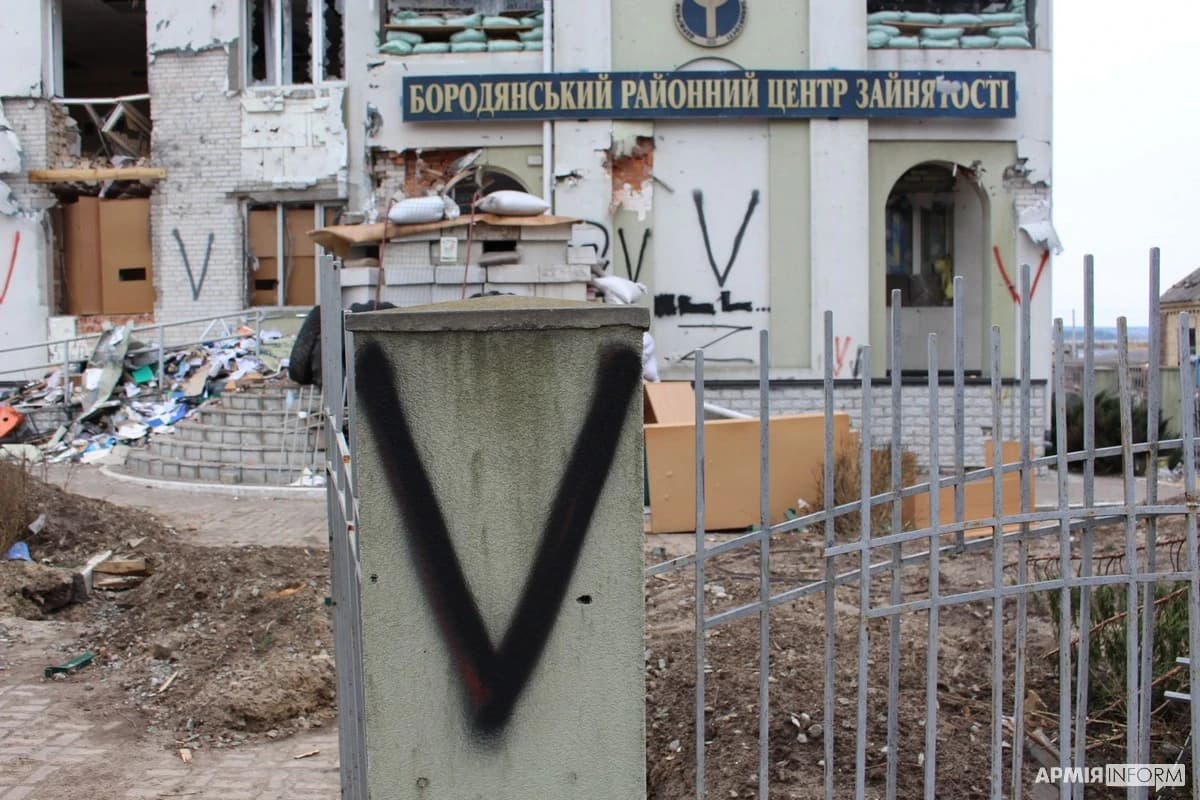
The policy is also being tailored to a distinctly Ukrainian problem: young veterans returning from the front. Officials say they want additional employment and retraining programs for them, alongside support for launching businesses. That is economically important because veterans bring experience and discipline, but they also face the friction of re-entering civilian life, especially in a labor market still distorted by war, migration and regional inequality.
The entrepreneurial angle may prove just as important as the jobs element. Youth enterprise centers are already operating in eight cities, and the broader program is meant to connect young Ukrainians to counseling, profiling, second-chance education, internships and startup support. In other words, this is not only a hiring scheme — it is an attempt to build a pipeline from inactivity to income generation.
For investors, the long-term significance is clear. Ukraine’s future labor supply is one of the country’s most important assets, and anything that improves worker retention, skills matching and small-business formation should support domestic demand over time. The initiative also fits the EU integration narrative, which can matter for funding, institutions and the confidence of companies considering longer-term investment in Ukraine.
There are real execution risks. Ukraine’s labor market remains uneven, informal employment is still widespread and the success of the program will depend on local services, digital infrastructure, employer incentives and sustained funding. The four-month standard that works in Europe may be harder to meet for vulnerable groups or people affected by war-related trauma.
Still, the direction is encouraging. After years of disruption, Ukraine is trying to treat young people and veterans not as a social burden, but as a growth engine. For long-term investors, that is the kind of policy shift worth watching closely — especially in a country where rebuilding human capital may matter as much as rebuilding roads, factories and power lines.
| Entity | Gains | Losses |
|---|---|---|
| Ukrainian youth | ▲faster access to work or training | ▼prolonged inactivity |
| Young veterans | ▲retraining and startup support | ▼reintegration barriers |
| Employers | ▲larger candidate pool | ▼higher recruitment pressure |
| Ukraine’s economy | ▲stronger labor supply | ▼talent outflow and NEET losses |