More Ukrainians are getting back into work in Germany’s Biberach district, and that matters because labor-market integration is one of the clearest ways Europe can turn a refugee burden into economic capacity.
Biberach places more Ukrainians into jobs in 2025
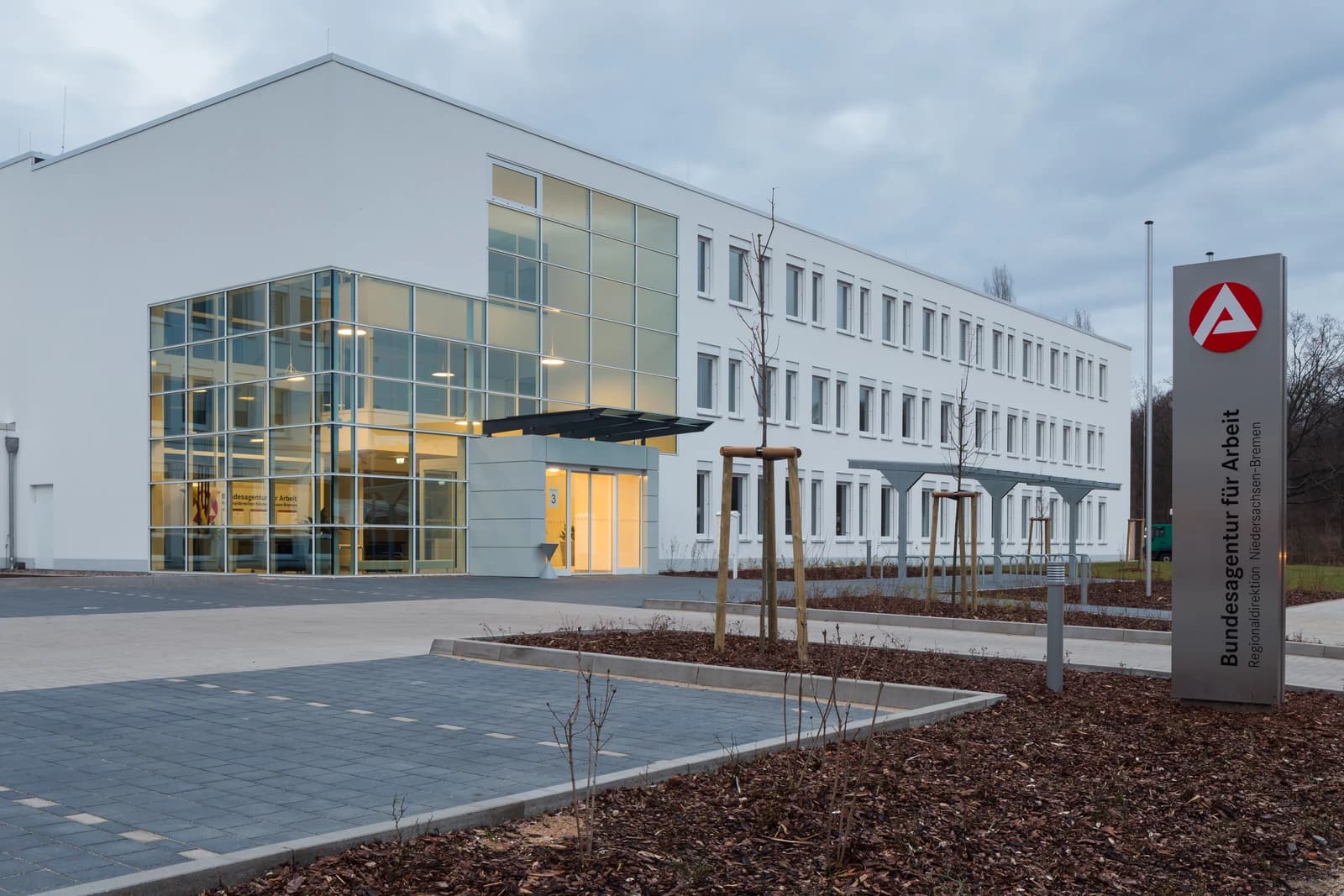
The local job center says it placed 248 Ukrainians into employment in 2025, up from 139 a year earlier and the highest annual total since Russia’s full-scale invasion began. The number of Ukrainians in social-security-paying jobs in the district climbed to 611 by February 2026 from 440 in September 2024, a gain of 33.4% in the prior year. Those are small numbers in national terms, but they point to something much bigger: when displaced workers are matched with employers faster, public spending pressure eases and local businesses gain access to badly needed labor.
Sentiment IndicatorsⓘProprietary · adalytica.com · September 26, 2026
This is a snapshot — live sentiment, awareness and momentum for 130+ markets update continuously in the dashboard.Open AlphaPulse
That is why Biberach’s special placement team matters. The district set up a dedicated unit about 18 months ago to help Ukrainian jobseekers navigate language barriers, childcare needs and the recognition of foreign qualifications. In plain terms, it removed friction. And in labor markets, friction is expensive. Every month a qualified worker remains idle means higher welfare costs, lower tax receipts and a missed opportunity for companies that are struggling to hire.
The broader data suggest the approach is working. At the end of 2025, unemployment among foreign-passport holders in the district was 10.2% below a year earlier, even as the overall jobless rate edged up to 2.7% from 2.6%. Foreigners still made up 53.7% of all unemployed people in December, underscoring how much of the labor-market slack remains tied to integration. But the direction is better, not worse, and that is what investors and policymakers should focus on.
For long-term investors, the takeaway is not about one district in southwest Germany. It is about the resilience of Europe’s labor supply. Companies facing demographic aging, skills shortages and weak productivity growth need every available worker they can bring into the formal economy. Faster integration of Ukrainians and other foreign workers can support consumer demand, help service companies and manufacturers fill vacancies, and reduce the fiscal drag of prolonged dependency on benefits.
There are still real hurdles. Language training, childcare access and credential recognition remain major bottlenecks, and most Ukrainians in the district still receive basic-income support. But that is exactly why the story is encouraging: these barriers are not immutable. The Biberach model shows that targeted placement teams, local employer networks and practical support can move the needle.
For investors, the message is simple: Europe’s labor-market winners are likely to be the regions, employers and service providers that make integration efficient. The trend in Biberach is worth watching, because if more districts copy it, the payoff could be a larger workforce, lower social costs and better growth over time.
| Entity | Gains | Losses |
|---|---|---|
| Ukrainians seeking work | ▲Faster job access | ▼Longer welfare dependence |
| Local employers | ▲More available labor | ▼Vacancy pressure |
| Biberach job center | ▲Higher placement success | ▼Administrative strain |
| Taxpayers/public budgets | ▲Lower long-term support costs | ▼Short-term integration spending |