The Borodaev case is especially striking because it suggests a new and unsettling method: fake or “provocative” social media posts can become the trigger for a criminal case, even if the accused says he was the victim of impersonation. If that kind of standard takes hold, the burden shifts away from proving authorship or intent and toward simply surviving the accusation. That is not the kind of environment that encourages free discussion, institutional trust or, ultimately, capital formation.
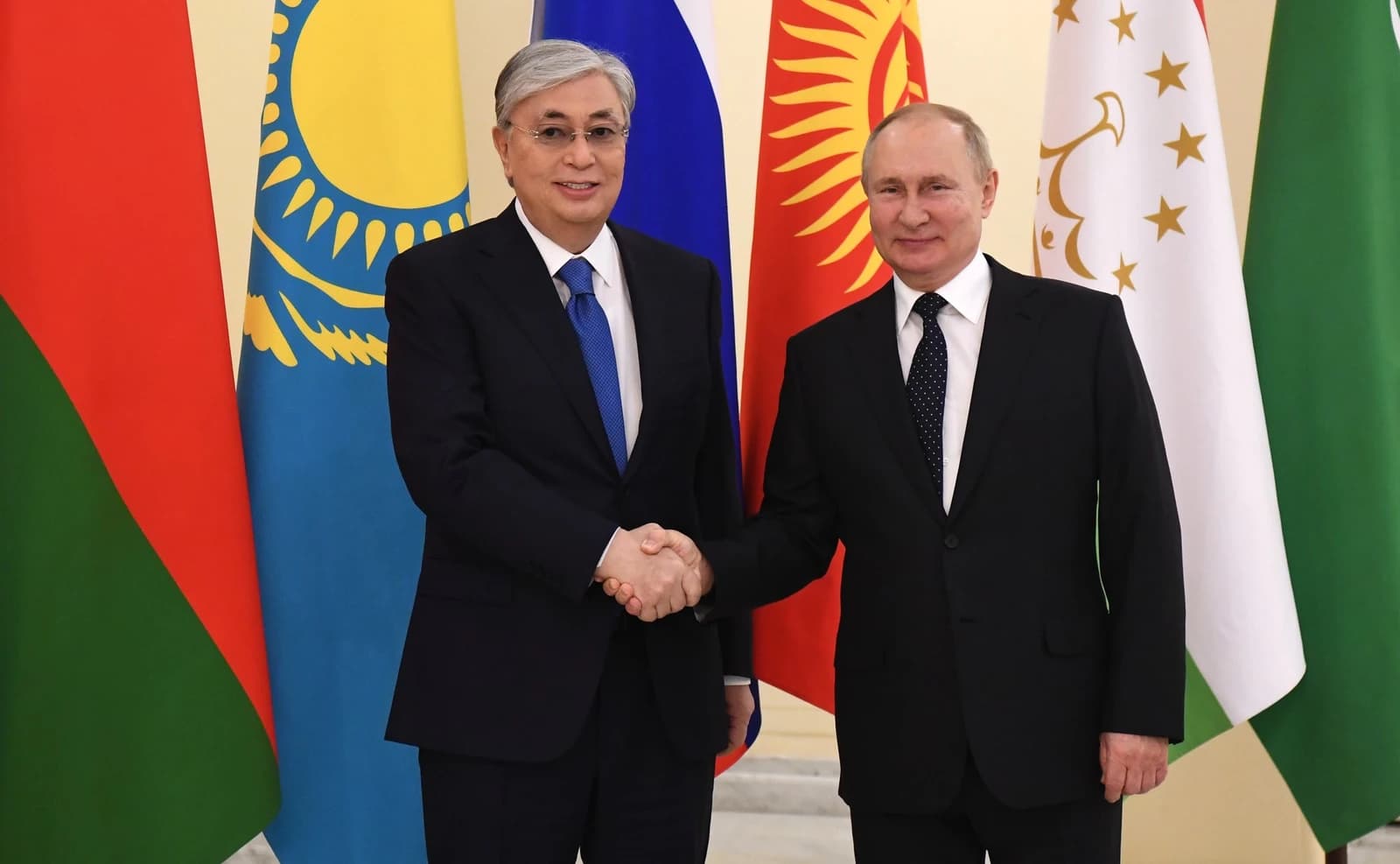
There is also a larger regional narrative here. Kazakhstan has tried to position itself as a pragmatic balancer since Russia’s war in Ukraine upset the post-Soviet order. Moscow still calls the relationship strategic, and both countries need each other on trade, transit and security. But the more Kazakhstan’s leadership leans into internal information control, the more it risks looking like it is copying the very coercive playbook that neighboring states use when they fear dissent.
For investors, that does not automatically mean sanctions, market panic or an immediate economic shock. It does mean a higher political-risk discount. Countries can still grow under such conditions, especially commodity exporters like Kazakhstan, but governance uncertainty tends to hit valuation multiples first and confidence second. If authorities are willing to make ideology a criminal matter, foreign companies will wonder how predictable other decisions may be when pressure rises.
Adalytica’s Global Stability Sentiment gauge also points to a tense backdrop, with awareness at an “extreme fear” level even though the overall sentiment reading is neutral. That does not drive the story on its own, but it reinforces the sense that regional risk is elevated and that investors should keep a close eye on how Kazakhstan manages its delicate relationship with Russia while trying to preserve domestic order.
The long-term takeaway is simple: Kazakhstan is not just managing dissent, it is defining the limits of acceptable geopolitics at home. If those limits keep narrowing, the country may preserve control in the short run, but it will also deepen the perception that political loyalty matters more than legal clarity. That is worth watching closely, especially for investors with exposure to Central Asia, emerging-market risk or Russia-linked supply chains.