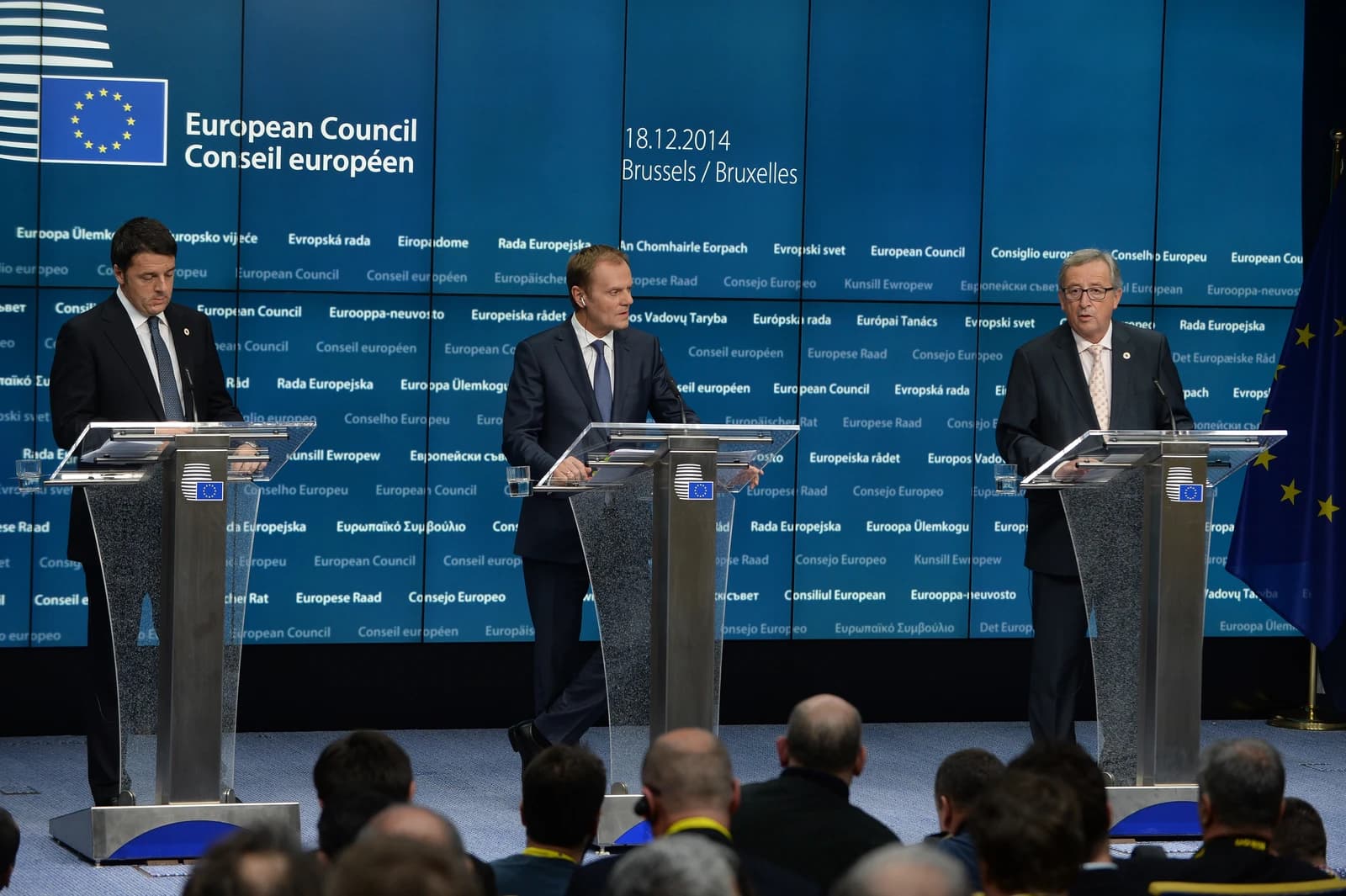
17 EU countries, including Poland, are pushing back against a plan to trim the bloc’s next long-term budget by 8%, escalating a fight that could shape hundreds of billions of euros in spending on farms, regions and the green transition.
EU countries push back on 2028-2034 budget cuts
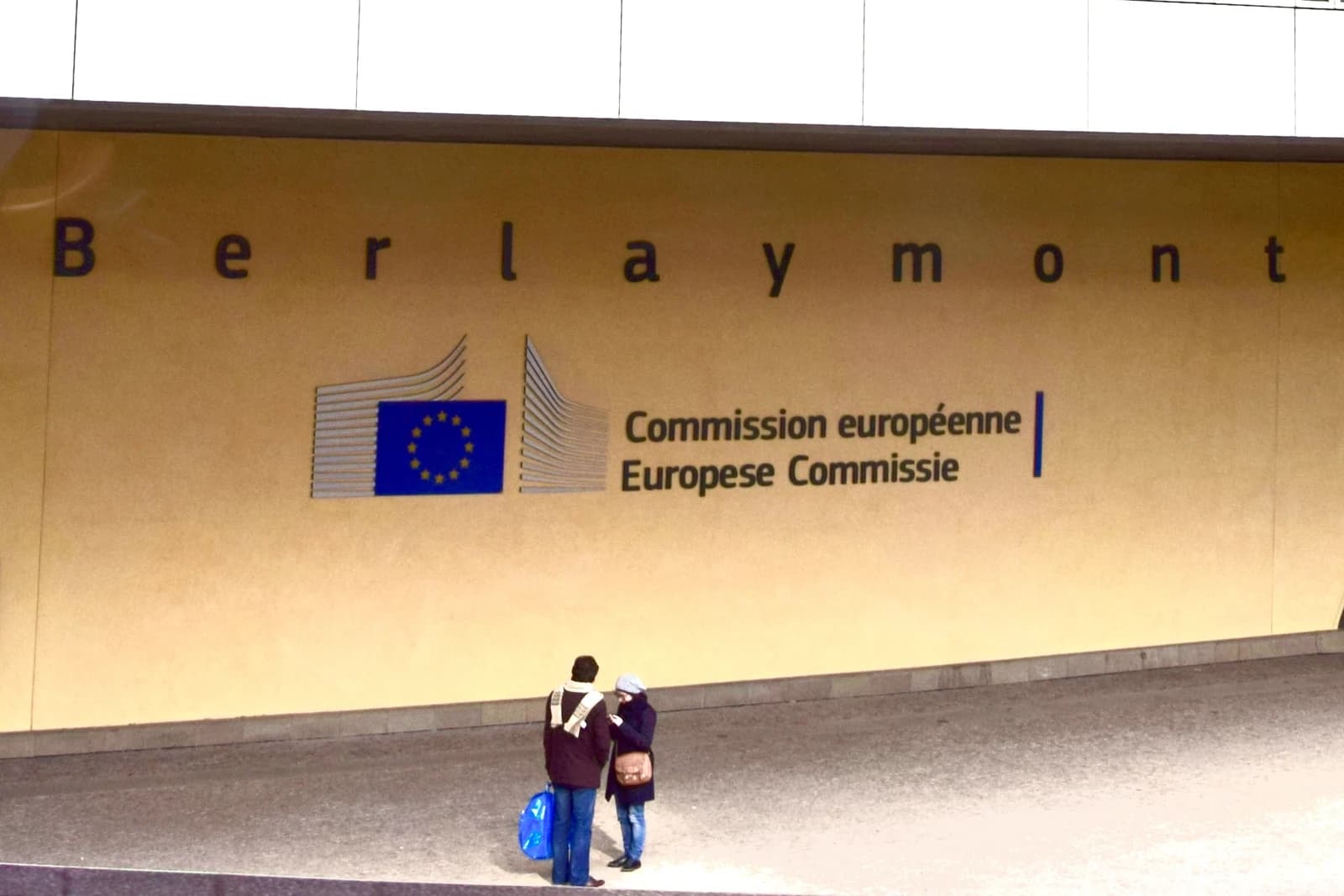
The joint intervention matters because the EU’s 2028-2034 budget is the financial backbone for cohesion funding, agricultural support and other programs that underpin growth across the bloc’s poorer members. If the dispute drags on, it risks delaying planning for projects, weakening policy certainty and deepening the divide between countries that want tighter spending and those arguing for a larger common fiscal role.
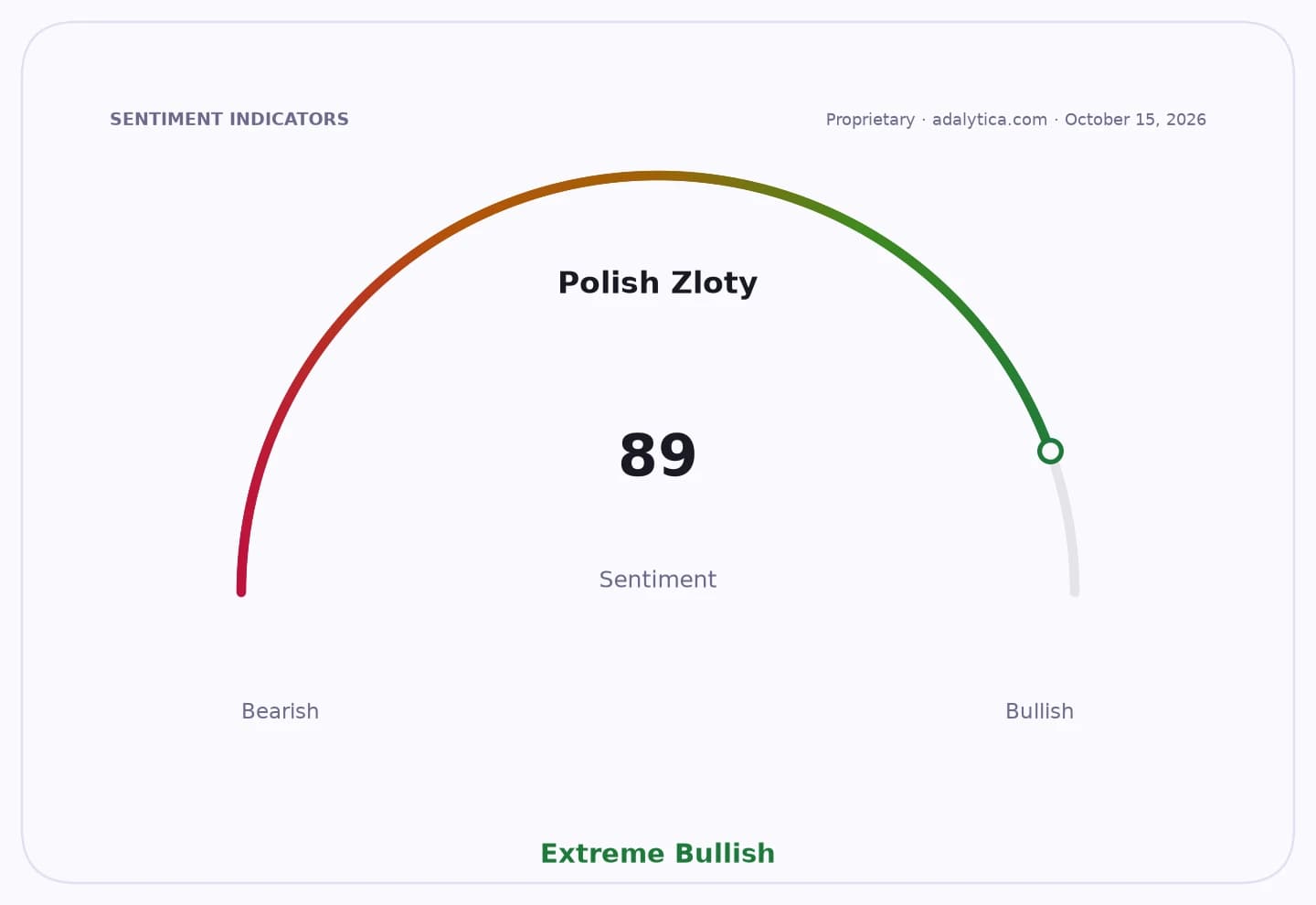
Sentiment IndicatorsⓘProprietary · adalytica.com · October 17, 2026
This is a snapshot — live sentiment, awareness and momentum for 130+ markets update continuously in the dashboard.Open AlphaPulse
The “Friends of Cohesion” group said the draft budget has been “significantly reduced” and warned there is “no room” for further cuts in a fair budget. The countries want the next framework to preserve core regional and farm policies while also making room for new priorities.
The clash is also about how the EU pays for itself. Poland and Czech Republic have opposed proposals to channel part of revenues from the emissions trading system into the common budget, arguing that would load more of the burden onto poorer states. The 17 governments also want an end to budget rebates enjoyed by countries pushing for lower spending.
For investors, the fight is relevant because it affects the outlook for EU fiscal transfers, infrastructure spending and demand across Central and Eastern Europe. It also feeds into broader market nerves over European unity and policy execution, with Adalytica’s Global Stability Sentiment in “Fear” territory and its euro trade signal also showing “Fear,” reflecting heightened uncertainty around the bloc’s policy backdrop.
The immediate focus now turns to negotiations in Brussels, where leaders will try to bridge the gap between frugal member states and cohesion allies before the budget talks harden into a wider political standoff.
| Entity | Gains | Losses |
|---|---|---|
| Poland and cohesion allies | ▲Bigger regional and farm funding | ▼Budget cuts and higher burden |
| Frugal EU states | ▲Lower common spending | ▼Larger EU budget, fewer rebates |
| EU projects and beneficiaries | ▲More spending certainty | ▼Delays from deadlock |
| Euro and EU risk sentiment | ▲Clarity if compromise emerges | ▼Prolonged policy uncertainty |