Europe’s push to consolidate financial supervision could reshape how capital is allocated across the bloc, and Poland is being forced to decide whether it wants a seat at the table or a ruleset handed down later.
EU finance ministers back tighter supervision
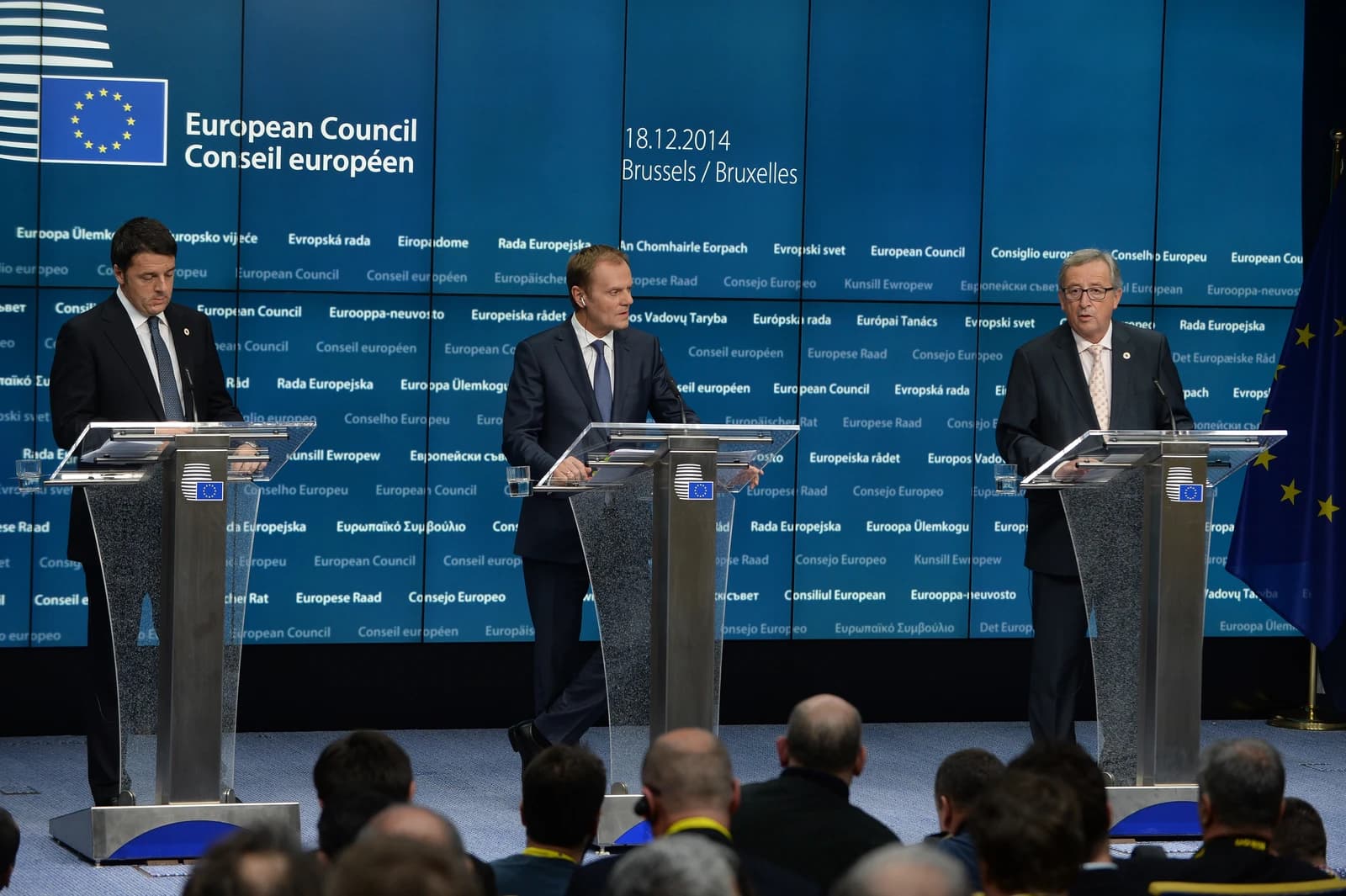
EU finance ministers have reached a preliminary deal to strengthen centralized oversight and deepen capital market integration, a step that matters because fragmented supervision has long kept Europe’s banking and securities markets less efficient than those in the U.S. If the package is completed, it would give Brussels a stronger hand in enforcing common rules and reducing regulatory mismatches between member states.

For investors, the bigger issue is not just cleaner rulemaking but what it means for access to credit, funding costs and cross-border deal flow. A more unified supervisory framework could make it easier for banks, insurers and asset managers to operate across the bloc, while also shifting influence away from national regulators that currently shape local market conditions.
Poland’s role is politically important because the country is part of the debate over how much supervision should be centralized and who gets to define the future structure of Europe’s financial system. The article’s argument is that Warsaw should engage now, before the framework hardens around the euro area’s biggest economies and leaves newer member states adapting to decisions already made.

That matters for the broader European market backdrop. The iShares MSCI Europe Financials ETF, ticker EUFN, has recently pulled back to $38.37 from an October 7 high of $38.47, while its RSI reading has fallen to 24.4, a level that points to heavy short-term selling pressure in a conventional technical analysis framework. The move comes as investors weigh whether tighter supervision could support long-run stability even if it increases compliance costs in the near term.
The euro also remains in focus. Adalytica’s Euro Trade Signals snapshot shows sentiment at 23, labeled fear, with awareness at 92, labeled extreme greed, underscoring how quickly positioning and attention can swing around EU policy shifts.
The next catalyst is the follow-through negotiation among EU institutions and member states. Any sign that the package is heading toward formal adoption would likely reinforce the case for deeper integration in European financial assets, while pushback from national capitals could keep supervision fragmented and preserve country-by-country market disparities.
| Entity | Gains | Losses |
|---|---|---|
| EU institutions | ▲stronger oversight | ▼slower consensus if talks stall |
| Poland | ▲seat at policy table | ▼influence if sidelined |
| Large cross-border banks | ▲easier expansion | ▼higher compliance burden |
| National regulators | ▲fewer coordination gaps | ▼loss of authority |