The European Commission wants future EU entrants to face up to 15 years of special oversight, including the possible loss of voting rights and access to EU funds, in a bid to stop a repeat of Hungary’s long-running clash with Brussels.
EU plans 15-year oversight for new members
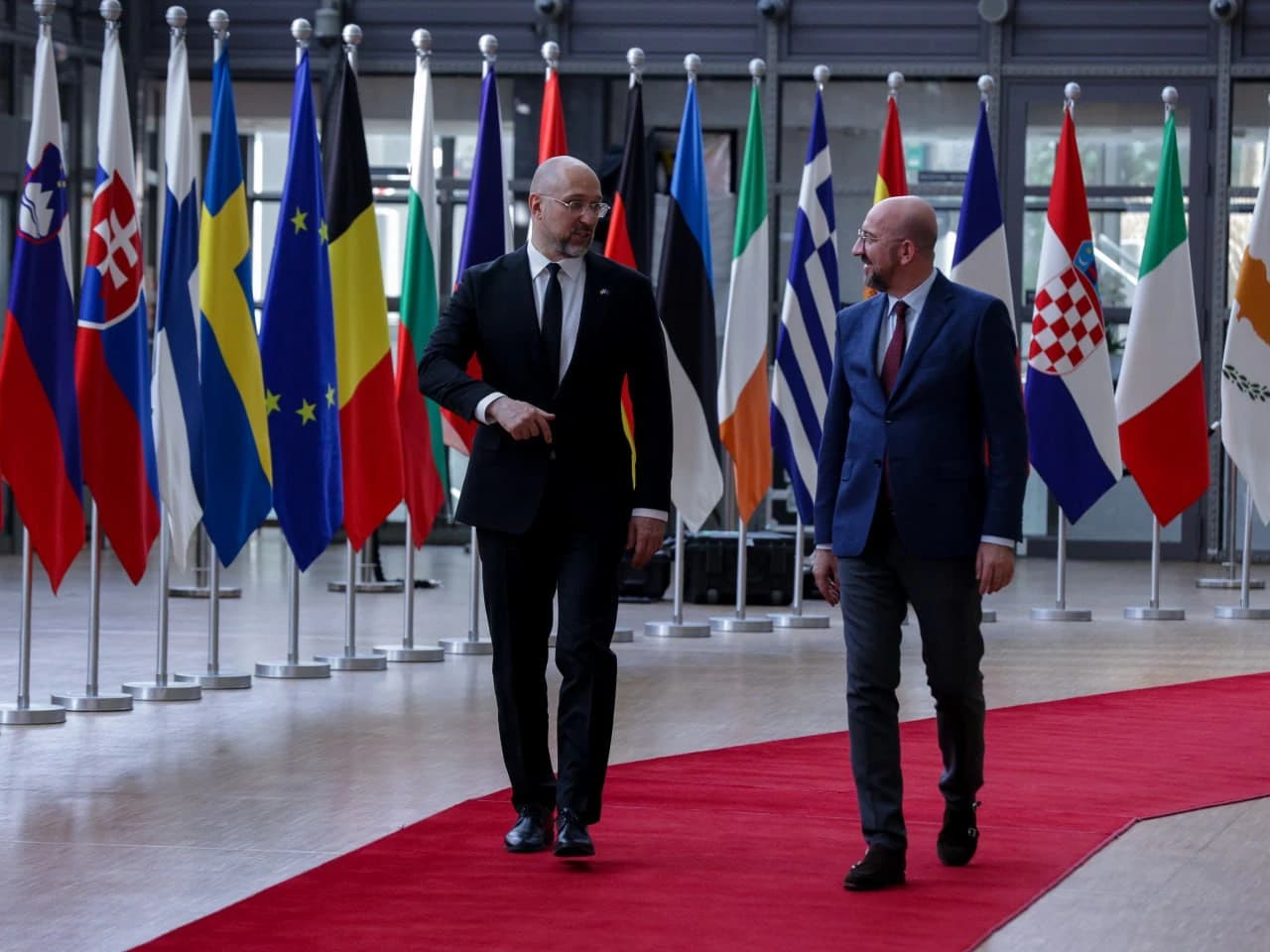
The proposal matters because enlargement has moved back to the top of the bloc’s agenda as Ukraine, Moldova, Montenegro and Albania push ahead in the accession process. Brussels is trying to make the EU bigger without importing a future government that can later obstruct sanctions, budget decisions or rule-of-law enforcement from inside the club.
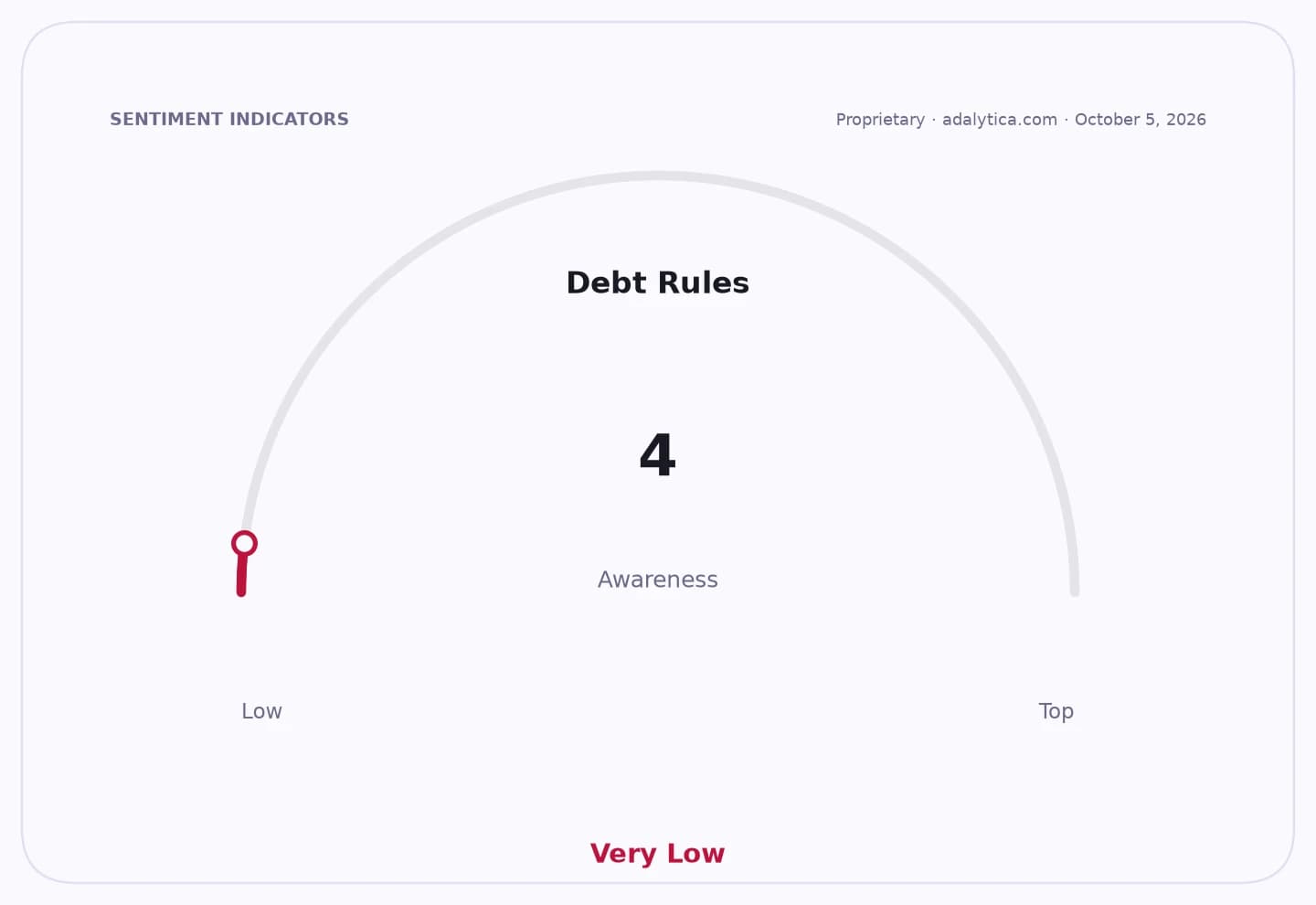
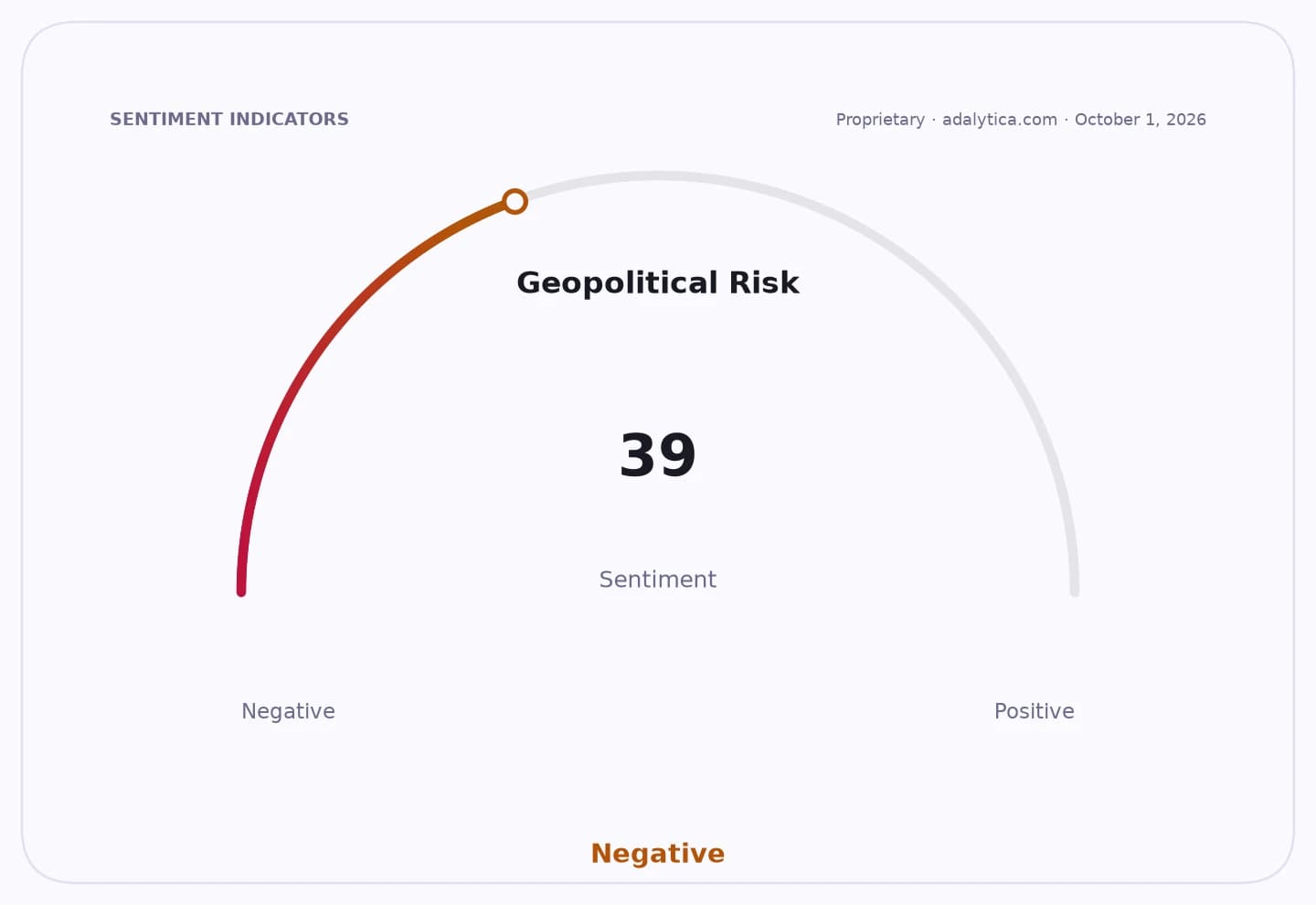
Sentiment IndicatorsⓘProprietary · adalytica.com · October 7, 2026
This is a snapshot — live sentiment, awareness and momentum for 130+ markets update continuously in the dashboard.Open AlphaPulse
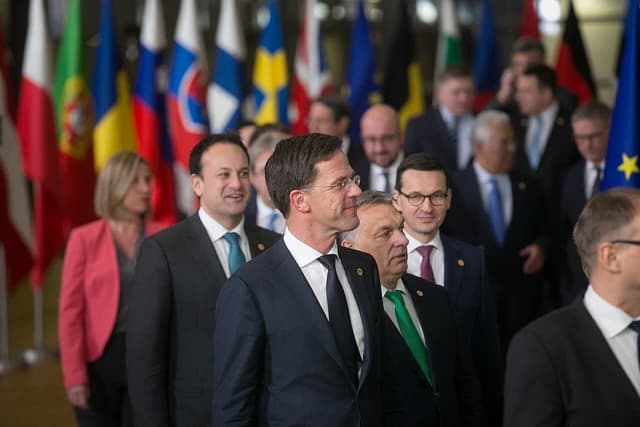
Marta Kos, the EU commissioner for enlargement, said the aim was to prevent “No more Viktor Orbán,” in remarks to The Guardian and other European newspapers. The Commission wants faster tools than the current Article 7 mechanism, which has never reached the point of suspending a member’s voting rights despite years of disputes with Hungary and, earlier, Poland.
Under the plan, a new member that violates democratic principles or the EU’s duty of loyal cooperation could have its vote suspended or lose access to funds during the first 15 years after joining. The idea is to lower the threshold for action against a newcomer compared with the current treaty framework, while keeping the safeguard temporary to avoid creating permanent first- and second-class members.
The push reflects a wider geopolitical shift after Russia’s invasion of Ukraine in 2022. Ukraine and Moldova applied for EU membership days after the full-scale invasion, and the Western Balkans process has also accelerated as Brussels treats enlargement as a strategic defense against Russian and Chinese influence in its neighborhood.
Kos said Russia was spending heavily to pull candidate countries away from the European path, while China relied more on economic leverage and investment. For investors, the political message is that EU enlargement is becoming not just a diplomatic project but a governance and market-stability issue, especially for countries tied to EU funding, infrastructure spending and regulatory alignment.
The Commission is also preparing for the institutional strain of a bloc that could expand from 27 to around 35 members. That could revive talks on reducing the number of policy areas requiring unanimity, including tax and sanctions, and on reshaping the European Commission if every country can no longer permanently hold a seat.
Montenegro remains among the most advanced candidates, with Brussels already taking steps to prepare financially for its potential accession. Ukraine and Moldova are still moving forward too, with Moldova due to receive its accession roadmap on Oct. 28, even as officials say it is too early to predict timing for a country at war or one facing a frozen conflict.
The broader stakes are clear: the EU wants to widen its geopolitical reach without repeating the Hungary problem, and that means rewriting the terms of entry before the next wave of members arrives.
| Entity | Gains | Losses |
|---|---|---|
| European Commission | ▲Faster rule-of-law enforcement | ▼Need to win member-state approval |
| Candidate countries compliant with EU norms | ▲Clearer accession path | ▼Longer oversight after entry |
| Hungary-style veto players | ▲Less leverage inside EU | ▼Reduced ability to block action |
| EU fiscal and sanction hawks | ▲Stronger tools vs. backsliding states | ▼More treaty and governance friction |