Washington’s response to Hamas’s Oct. 7 attack began in confusion, and that uncertainty quickly reshaped the Biden administration’s Middle East policy around hostage recovery, crisis containment and the collapse of a Saudi-Israel normalization push.
Hamas Oct. 7 attack reshaped U.S. Middle East policy
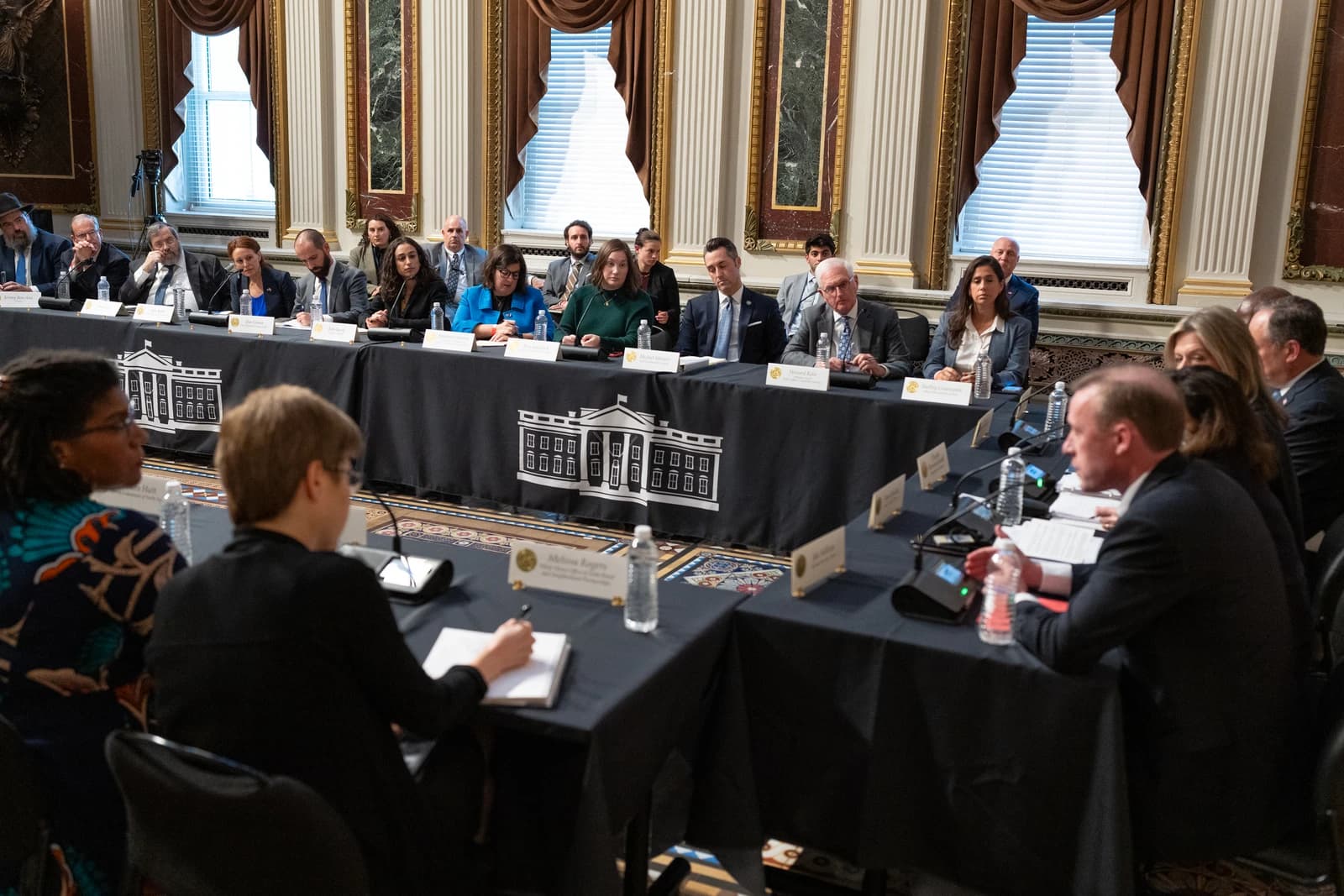
Former White House Middle East coordinator Brett McGurk said the U.S. intelligence community had “no warning or indicators” before the assault, an account that underscores how the attack blindsided both Washington and Jerusalem and why it became a defining test of U.S. crisis management. His comments, made in connection with his new book, also reveal how abruptly the White House shifted from trying to broker a landmark Israel-Saudi deal to managing a widening regional war.
Sentiment IndicatorsⓘProprietary · adalytica.com · October 10, 2026
This is a snapshot — live sentiment, awareness and momentum for 130+ markets update continuously in the dashboard.Open AlphaPulse
That matters economically and geopolitically because the attack did more than derail diplomacy. It reset the security premium across the Middle East, prolonged Israeli military operations in Gaza, and kept regional tensions elevated enough to influence energy markets, shipping risk, defense spending and U.S. policy priorities. It also highlights the vulnerability of diplomatic breakthroughs to sudden security shocks, a reminder for investors that geopolitical risk in the region can override even carefully built economic and strategic assumptions.
McGurk said he walked into the Oval Office on the morning of Oct. 7 to find then-President Joe Biden visibly shaken and unaware of the scale of the attack. Hours earlier, U.S. officials had been focused on pushing forward a possible normalization accord between Israel and Saudi Arabia, one of the administration’s most important regional ambitions. By midnight, he said, Israeli officials were already telling Washington, “This is war.”
Geopolitical Risk — 30-day sentimentadalytica.com
Explore this data interactively — full history, time series and cross-market comparisons.Open AlphaPulse
The revelation that the U.S. saw no advance warning will feed continued scrutiny of intelligence failures around Oct. 7, even as McGurk said Israel itself appears to have missed the attack as well. His call for an Israeli commission of inquiry echoes the post-9/11 reforms that followed America’s own intelligence breakdowns, and it points to a broader policy lesson: the region remains vulnerable to surprise escalation despite the sophistication of modern intelligence networks.
For markets, the implications are less about the hostage diplomacy itself than about what it reveals: the persistence of regional instability, the likelihood of recurring military and intelligence spending, and the fragility of any peace process tied to security conditions. Defense contractors and security-linked suppliers have already been trading against a backdrop of elevated geopolitical risk, while broader asset markets remain sensitive to any sign the conflict could spill into a wider confrontation involving Iran, Hezbollah or Gulf states.
McGurk’s account also explains why Washington’s priorities shifted so quickly after the attack. The administration moved from normalization to hostage negotiations, then to regional containment as the conflict widened. That sequence is likely to shape how investors assess U.S. Middle East policy going forward: not as a straight line toward de-escalation, but as a cycle of crisis response in which diplomacy is repeatedly overtaken by force.
| Entity | Gains | Losses |
|---|---|---|
| Israel and U.S. security planners | ▲Tighter intelligence review | ▼Confidence in warnings |
| Defense contractors | ▲Higher spending outlook | ▼Peace-dividend hopes |
| Saudi normalization push | ▲Little | ▼Diplomatic momentum |
| Hostage families and cease-fire advocates | ▲Later releases | ▼Time and leverage |