Russia says a Ukrainian drone attack on election day has effectively derailed any immediate restart of peace talks with the US and Ukraine, underscoring how fragile diplomacy remains as Moscow doubles down on its war aims.
Russia Says Ukraine Drone Attack Delayed Peace Talks
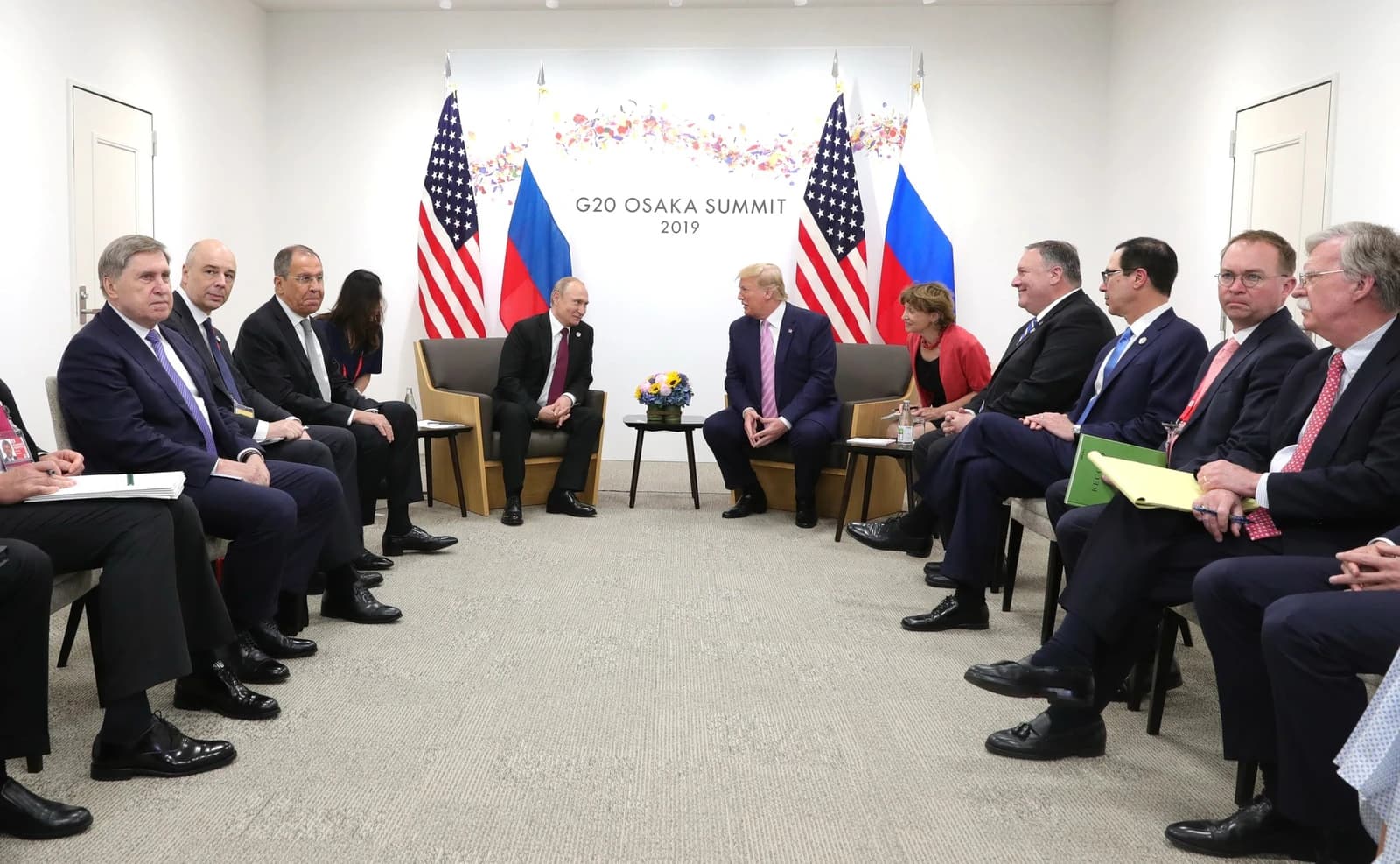
The timing matters because any opening for negotiations has been one of the few conceivable paths to easing sanctions risk, stabilizing European security and reducing one of the biggest geopolitical overhangs on global markets. Instead, President Vladimir Putin used a call with US President Donald Trump to argue that the chance of reviving three-way talks was lost after the September attack, while insisting Russia’s “special military operation” objectives remain unchanged and its forces still hold the initiative.
Sentiment IndicatorsⓘProprietary · adalytica.com · October 12, 2026
This is a snapshot — live sentiment, awareness and momentum for 130+ markets update continuously in the dashboard.Open AlphaPulse
That message is important for investors because it points to a prolonged conflict rather than a credible near-term ceasefire. A durable diplomatic track could have lowered tail risks for energy, defense, shipping and European assets exposed to war premiums. The Kremlin’s latest line suggests those premiums are likely to persist, even as Moscow continues to frame the battlefield as favorable and to resist pressure for concessions.
The account, relayed by Putin aide Yuri Ushakov, also indicates that even high-level US engagement is not yet translating into substantive progress. Ushakov said both sides discussed the phone call but did not get into concrete talks on a possible US-Russia summit, despite the prospect of both leaders attending the APEC meeting in Shenzhen in November. That leaves investors with little reason to expect a rapid de-escalation channel through summit diplomacy.
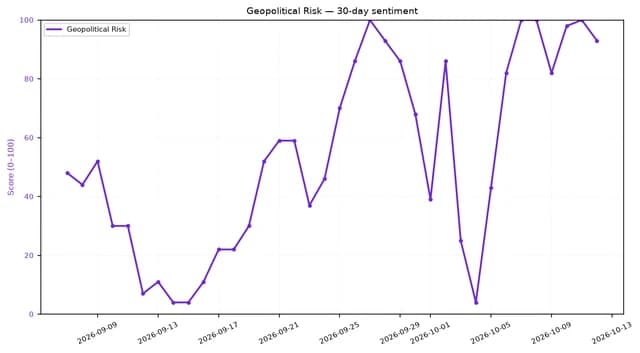
For markets, the broader backdrop is one of heightened but uneven geopolitical concern. Adalytica’s Global Stability Sentiment snapshot shows sentiment at 93, or “Extreme Greed,” while awareness sits at just 4, “Extreme Fear,” a combination that points to complacency around geopolitical risk even as the war grinds on. In practical terms, that means investors may be underpricing the chance of renewed shocks to oil, grain, defense spending and European industrial confidence if talks remain frozen.
There is also a clear political dimension. Russia’s messaging comes as European institutions have moved to further delegitimize Moscow’s electoral process, increasing the odds of continued isolation from the West. That makes a negotiated settlement harder, not easier, because both sides are now reinforcing domestic narratives of resilience rather than compromise.
For investors, the key takeaway is that Russia’s war premium is not disappearing soon. Energy traders, European defense names and companies exposed to Black Sea logistics may continue to benefit from that backdrop, while cyclical European assets and risk-sensitive currencies remain vulnerable if the conflict escalates or peace expectations are repeatedly disappointed. The market catalyst now shifts to whether any backchannel emerges around the APEC summit — but absent that, the dominant scenario remains stalemate.
| Entity | Gains | Losses |
|---|---|---|
| Russia’s hardline stance | ▲Domestic political control | ▼Near-term peace prospects |
| Defense contractors | ▲Higher demand visibility | ▼— |
| Energy and grain traders | ▲Ongoing geopolitical premium | ▼Lower volatility from peace |
| European exporters/importers | ▲— | ▼Persistent war uncertainty |